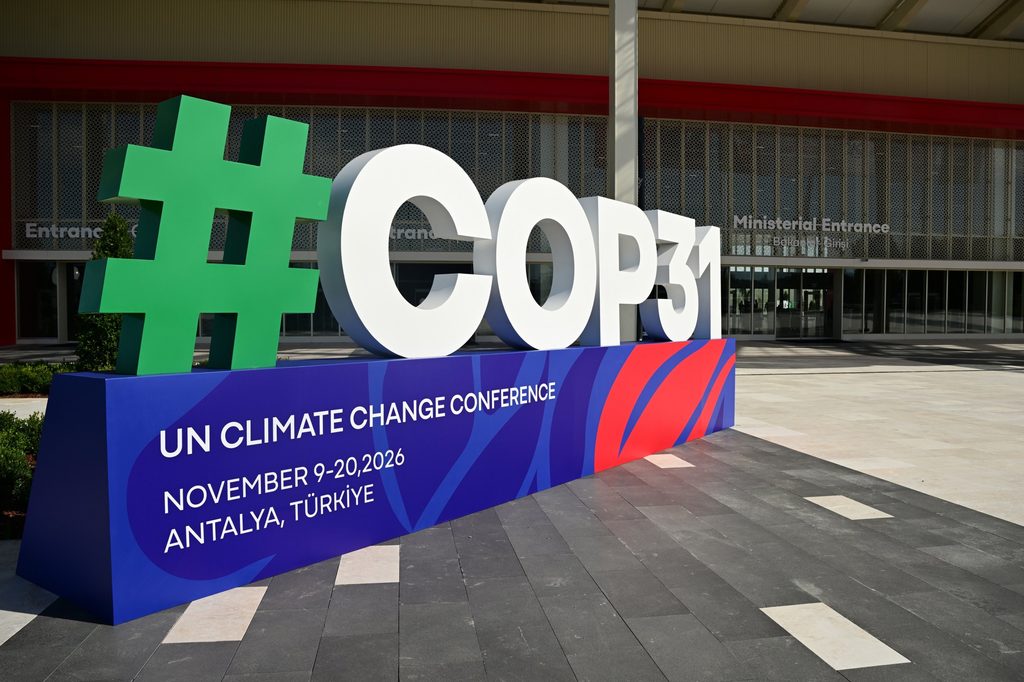
As COP31 progresses, I have found myself reflecting on a question that comes up repeatedly in conversations with policymakers, campaigners, researchers, and communities across Africa: if our continent is blessed with some of the world’s richest renewable energy resources, why are we still struggling to deliver reliable, affordable, and clean energy for all?
It is a question I have reflected on frequently while working on the African Renewable Industry Readiness Index (A-RIRI) at Power Shift Africa, which assesses how prepared 10 African countries are to build inclusive renewable energy economies. And I am now convinced that Africa’s greatest challenge is not its resource endowment, but its readiness to turn that potential into shared prosperity.
Working through the findings, it occured to me that Africa does not have a renewable energy resource problem. We have abundant sunlight and wind, extensive geothermal resources, massive hydropower potential, and rich deposits of critical minerals. What we face, therefore, is a readiness challenge.
The countries making the most progress are not necessarily those with the largest resource endowment, but those creating the policies, institutions, infrastructure, skills, and investment environments needed to turn renewable energy potential into real benefits for people.
Too often, discussions about Africa’s energy future focus on what the continent has. Less attention is paid to what it takes to transform those resources into jobs, industries, economic opportunities, and better lives. At COP31, that should be the real conversation.
What gives me hope
One of the most encouraging lessons from the A-RIRI findings is that the energy transition is already happening across Africa. I see it in communities gaining electricity through solar home systems long before a grid connection arrives. I see it in entrepreneurs using renewable energy to power businesses and reduce operating costs. And I see it in countries investing in geothermal energy, electric mobility, and local manufacturing.
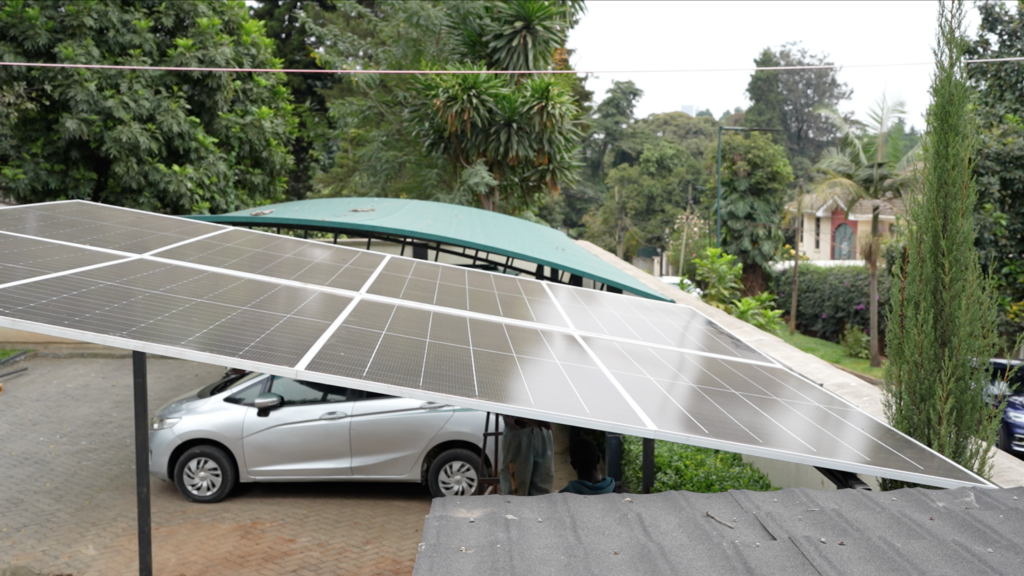
In Uganda, solar home systems and mini-grids are extending electricity access beyond the reach of conventional infrastructure. In Nigeria, where unreliable electricity has forced households and businesses to rely heavily on diesel generators for decades, growing numbers of people are turning to rooftop solar and battery systems because they are more reliable and affordable.
These examples remind us that the transition is not simply about technology, but people finding practical solutions to improve their lives. And perhaps that is one of the most important lessons for policymakers: people do not embrace renewable energy because it is green. They embrace it because it works.
Energy democracy matters
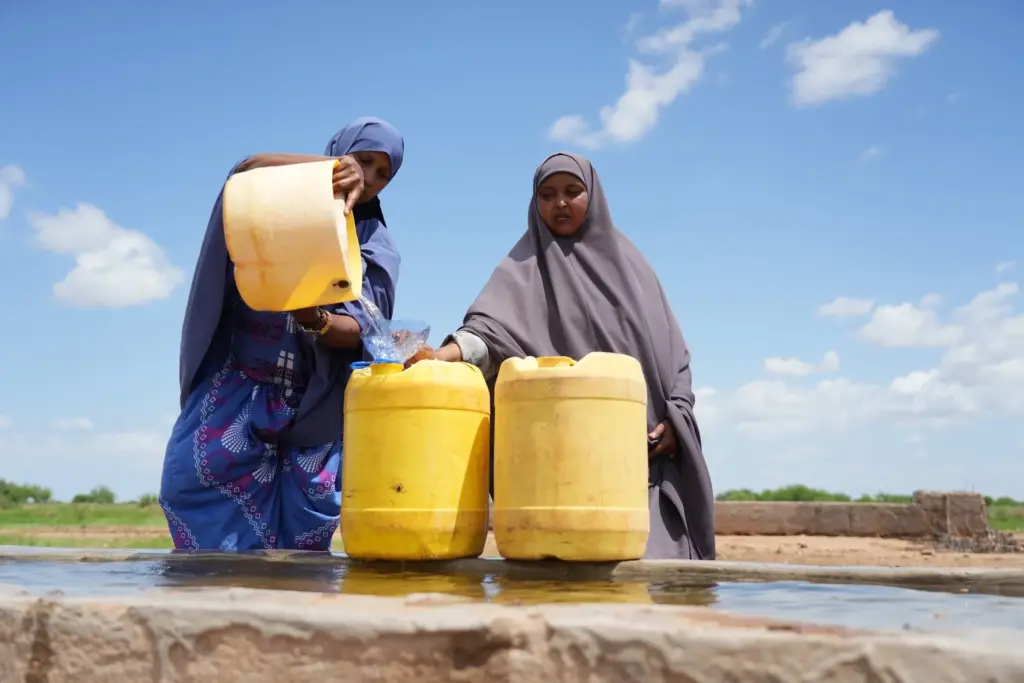
Another lesson that stood out is that the most successful energy transitions are those that put people at the centre. When communities have access to affordable and reliable energy, the benefits extend far beyond electricity itself. Schools function better, health facilities provide improved services, farmers increase productivity, small businesses grow, and young people find new economic opportunities.
This is why energy democracy is not a luxury but a necessity. A renewable energy transition that merely changes the source of electricity without changing who benefits from it will not deliver the transformation Africa needs. The goal should not be to replicate existing inequalities with cleaner technologies, but to build energy systems that distribute opportunities more fairly, particularly for women, young people, rural communities, and those who have historically been left behind.
The power of infrastructure
If there is one challenge that appears repeatedly across the A-RIRI findings, it is infrastructure. Many countries are investing in renewable energy generation, but transmission networks, distribution systems, and storage infrastructure are not expanding at the same pace. As a result, renewable energy investments are not always translated into reliable and affordable power for households and industries.
Solar panels and wind turbines alone are not enough. Without strong and modern electricity grids, countries cannot fully capture the benefits of renewable energy investments, attract industries that require dependable power, or build energy systems capable of supporting long-term economic growth.
Kenya’s experience demonstrates what is possible when renewable deployment is accompanied by broader investments in infrastructure and planning. We need to invest not only in power generation, but also in the systems that allow that power to reach people and businesses.
More value from the transition
Perhaps the finding that concerns me most is the gap between Africa’s resource wealth and its industrial position in the global energy transition.
Across the continent, countries continue to export raw materials while importing many of the technologies needed for renewable energy deployment. At a time when demand for critical minerals is growing rapidly, there is a real risk that Africa once again becomes primarily a supplier of raw materials while value addition, manufacturing, technology development, and job creation occur elsewhere. That would represent a missed opportunity of historic proportions.
The energy transition should not simply help Africa produce clean energy, but to also build industries, process its own minerals, strengthen domestic supply chains, and create decent jobs for millions of young people entering the labour market each year.
When I think about success, I do not only think about the number of megawatts installed, but about factories powered by renewable energy, locally manufactured technologies, and African engineers, technicians, and entrepreneurs driving innovation from within the continent.
Christian Hounkannou is the Energy Campaigner and Coordinator at Power Shift Africa.
Getting the demands right at COP
This is where the findings of the A-RIRI report become particularly important. The assessment shows that Africa’s challenge lies in the gap between readiness and implementation, so what should Antalya deliver for the world?
- End persistent constraints related to finance, technology transfer, and technical capacity. COP31 should therefore deliver a Just Transition Mechanism that provides meaningful support for implementation, helping countries move from planning to action.
- Plug gaps in industrial readiness across many countries. COP31 must place green industrialisation at the centre of the conversation, supporting local manufacturing, mineral beneficiation, skills development, and value addition so that African countries capture a larger share of the economic benefits of the transition.
- Energy access remains a defining development challenge. Expanding access to affordable, reliable, and clean energy must remain a central objective of global climate action, particularly in regions where millions remain underserved.
- Promote the importance of resilience and social inclusion. Adaptation, community livelihoods, and local participation must be recognised as essential components of a just transition, not secondary considerations.
- Without affordable and accessible finance, the pace of transformation will remain too slow. International partners and financial institutions must move beyond rhetoric and help address the financing barriers that continue to constrain African ambitions.