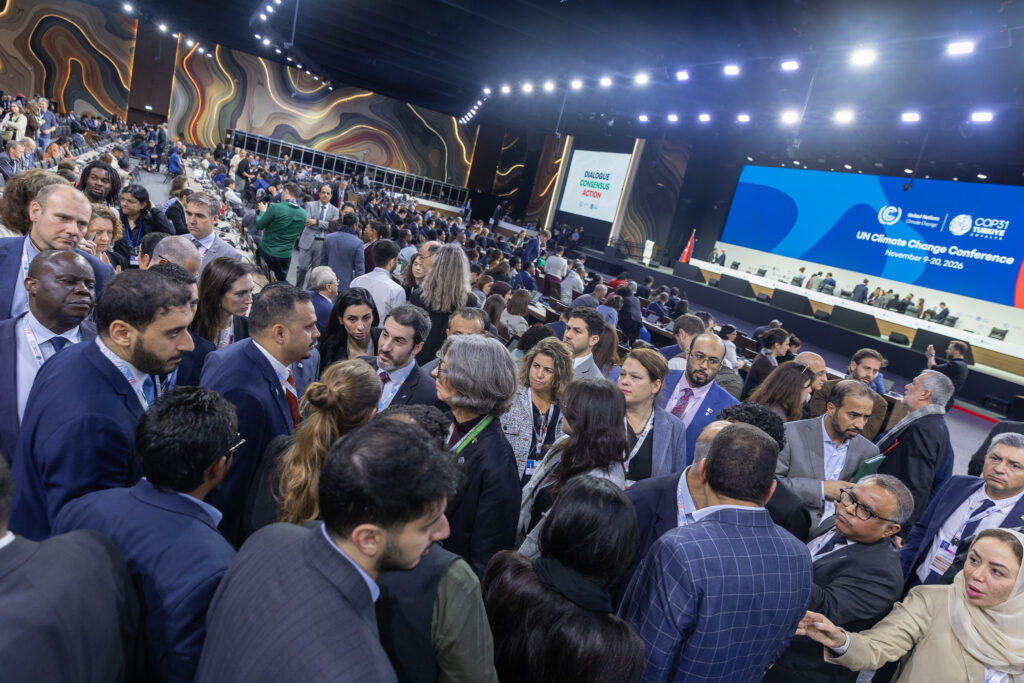
The world is still coming to terms with the fallout from COP31, which ended in a dramatic collapse last week. Antalya will inevitably carry the infamy of that outcome like a lingering odour for years to come.
Yet by the time the summit buckled under bitter disagreements over fossil fuel phaseout language and climate finance, it had already failed diplomatically.
To its credit, though, beneath the headline failure of the ‘‘Antalya Pact,’’ delegates still finalised crucial technical frameworks on adaptation, technology transfer, and just transitions. In doing so, COP31 became a stress test for international cooperation.
‘‘COP31 is more than a technical meeting. The summit’s biggest test is a political one,’’ Mohamed Adow, Director of Power Shift Africa, had warned ahead of the talks.
With the summit now behind us, the events in the Mediterranean resort city offer hard lessons on the current state of multilateralism, and a glimpse into its future.
Geopolitics overriding climate urgency
Delegates gathered in Antalya during one of the tensest periods in recent history. While the mood had already soured at COP30 following the US withdrawal from the Paris Agreement in 2025, COP31 had to navigate an even more fractured geopolitical landscape. Just before talks began, a UN report warned that the planet is on course to overshoot the 1.5°C temperature threshold. Compounding this urgency were the war in Iran, rising climate denialism, shrinking aid budgets, and an ongoing global energy crisis.
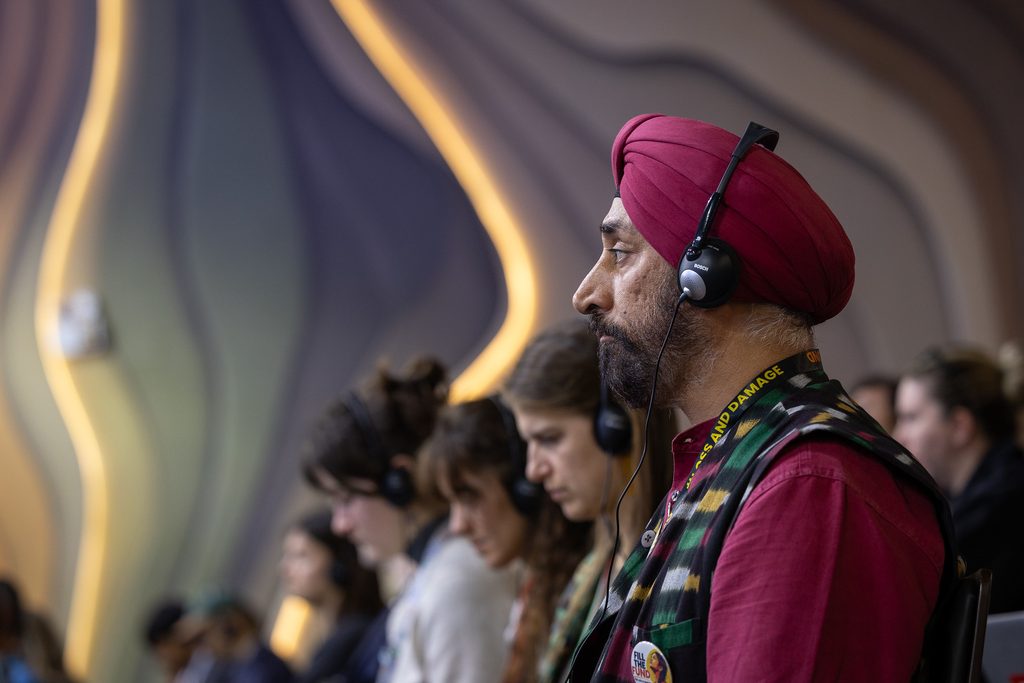
A two-year US absence has left a distinct leadership vacuum, and the European Union, which many hoped would fill the void, has cited domestic fiscal pressures. Yet countries within the bloc have managed to ramp up defence spending even as climate finance commitments go unmet. Narrow economic self-interest and contested global politics have constrained multilateralism at the exact moment the world needs to rally to protect life on Earth.
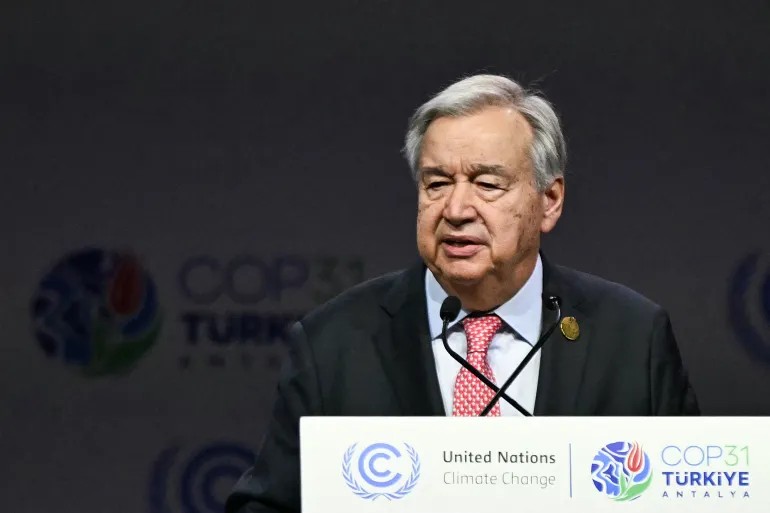
In the aftermath of the summit, UN Secretary-General António Guterres reminded delegates that there is ‘‘no ambiguity in the science’’ even where consensus is lacking in the negotiating room.
‘‘Temperatures keep shattering records. Climate extremes keep intensifying. Emissions remain far too high. And every delay makes our task harder and more costly.’’
— António Guterres, UN Secretary-General
Self-interest over global cooperation
COP31 demonstrated that consensus-based diplomacy inevitably hits a wall when existential survival collides with entrenched economic self-interest. The United Nations Framework Convention on Climate Change (UNFCCC) operates by consensus, a mechanism designed to ensure no nation is coerced into an agreement. For decades, this rule held fragile coalitions together. In Antalya, however, consensus functioned less as a bridge and more as a veto.
While climate-vulnerable nations demanded that the world build on the COP28 commitment to transition away from fossil fuels, major petrostates—including Saudi Arabia and the broader Arab Group—blocked any phaseout language to protect their economic lifelines. Past pacts are increasingly buckling under the weight of domestic priorities.
‘‘Tackling climate change means confronting some of the world’s most powerful economic interests. Coal, oil, and gas drive the climate crisis, but companies and countries profiting from them are fighting to protect their revenues.’’
— Mohamed Adow, Director, Power Shift Africa
Adow sees this as an issue of basic fairness, noting that wealthy nations built their economies by burning fossil fuels and, in the process, destabilised the global climate system.
‘‘They must move first and fastest in leaving them behind, while providing finance so developing countries can expand clean energy access,’’ he insists.
Trust gaps over finance
Fulfilling climate finance commitments has long been multilateralism’s Achilles’ heel, and the deadlocks at COP31 exposed deep fractures in the system. Years of unkept promises have steadily eroded trust, and Antalya did little to repair it. Throughout the two weeks of negotiations, finance remained a glaring fault line, with pledges falling far short of actual needs and fierce debates raging over how to triple adaptation funding.
At just $50 million, COP31 recorded the lowest pledges to the Adaptation Fund against its $300 million annual target, marking the fourth consecutive year the Fund has fallen short. For climate-vulnerable communities, support is a matter of survival.
This is only one instance.
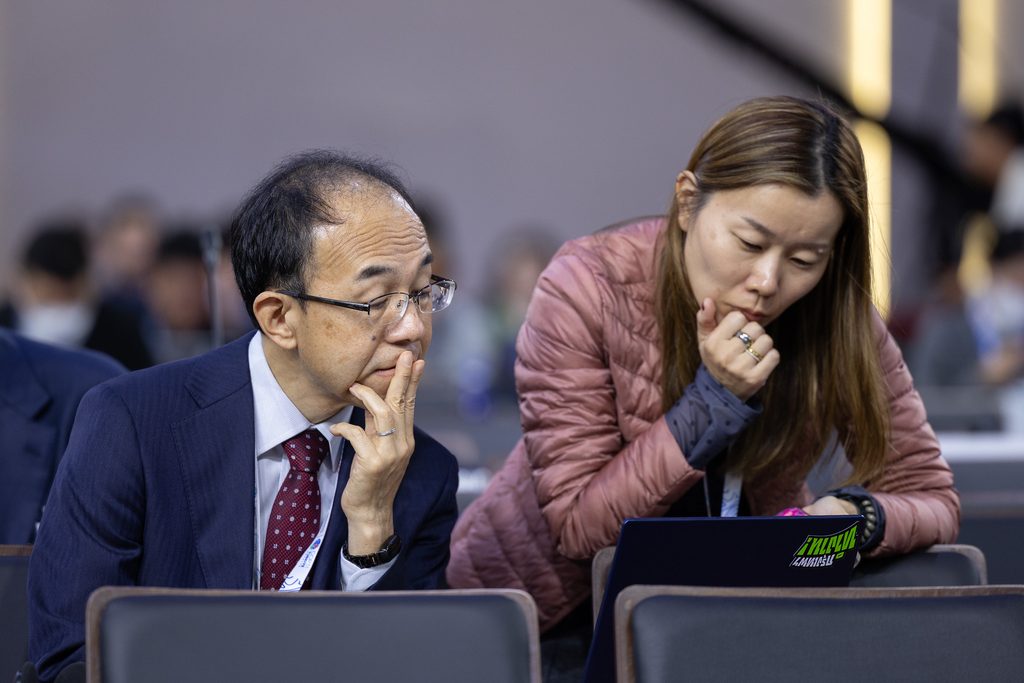
During the summit, developed nations systematically blocked proposals for predictable, public, grant-based finance and clear delivery baselines, offering little beyond recycled pledges or debt-creating loans. Even before the talks began, EU Climate Commissioner Wopke Hoekstra warned that any discussion of new money from the bloc was ‘‘dead in the water’’, pushing instead to implement past pledges rather than create fresh funding. Meanwhile, Australia repeatedly brushed off questions on funding, declaring that COP31 was ‘‘not a finance COP’’ in a stance that sidelined the core concerns of developing nations.
Walkouts to protest bad decisions and protect pacts
During the second week, Panama threatened to block consensus on the final text unless it included stronger commitments to transition away from fossil fuels. The Central American nation insisted that climate decisions must be grounded in science, starting in Antalya. In a letter to the COP31 Presidency, Environment Minister Juan Carlos Navarro wrote that the world is being held hostage by an oil ‘‘mafia’’ because of its addiction to fossil fuels. Panama was among the countries that ultimately rejected the proposed Antalya Pact.
‘‘What many are calling a failure is also a powerful display of integrity from countries that refused to capitulate at COP31,’’ said former UN climate chief Christiana Figueres. In her view, progress does not end in the plenary hall; climate talks are evolving into a platform ‘‘to drive solutions’’ even when formal political consensus falters.
Crucially, the collapse of the Antalya Pact does not undo existing agreements like the Paris Agreement. A failure to reach consensus at one summit does not erase what Parties have already committed to.
Reforming the UNFCCC process: consensus or voting?
Running two days over schedule, COP31 became the longest UN climate summit in history. Its sheer duration laid bare the structural fatigue of a process bogged down by delaying tactics and procedural disputes. During the closing plenary, Peru captured the frustration felt across the hall.
‘‘To negotiate in good faith is an obligation; it isn’t a courtesy,’’ Peru’s representative stated on behalf of the Independent Alliance of Latin America and the Caribbean (AILAC), calling for an independent review of COP efficiency. UN climate chief Simon Stiell agreed that reform is overdue.
‘‘Clearly there is scope to improve, modernise, and reform. But not only because of what happened here. But because we must evolve in this era of implementation,’’ Stiell said.
With nearly 200 countries at the table, reaching unanimous agreement grows harder every year, leaving the process vulnerable to vested interests that can stall progress when hard choices arise. This has prompted some Parties to ask whether the UN should abandon consensus in favour of majority voting. Critics warn of a major pitfall: if outvoted, major emitters could walk away from the table, rendering any passed resolution inconsequential. Antalya showed that multilateralism is caught between a process too slow for the climate crisis and a risky reform path that could fracture universal participation.
From multilateralism to coalitions of the willing
The centre of gravity in climate diplomacy is gradually shifting from universal treaties toward smaller, more agile ‘‘coalitions of the willing.’’ When roughly 80 countries pushed to include a fossil fuel transition roadmap in the official COP30 text, major producers blocked it. In response, the Brazilian COP30 presidency pledged to develop a voluntary roadmap outside formal UN consensus, which it unveiled at COP31.
Similarly, in April 2026, Colombia and the Netherlands co-hosted the First International Conference on Transitioning Away from Fossil Fuels, gathering 57 countries outside official COP channels to pursue voluntary cooperation and national transition plans. Under its Global Climate Action Agenda at COP31, Turkey mobilised around 80 countries behind the ‘‘35 by 35’’ target, an initiative aiming to source at least 35 percent of usable energy through electricity by 2035.
While these initiatives help sustain climate ambition, some experts warn that ‘‘minilateral’’ clubs risk undermining global cooperation and deepening inequities between wealthy and developing nations. Universal forums like the UNFCCC grant climate-vulnerable countries an equal vote and collective bargaining power; shifting to smaller factions strips them of that leverage.
Adow maintains that the multilateral process itself is not to blame, pointing to landmark achievements like the Paris Agreement and the Loss and Damage Fund. The real obstacle? ‘‘It is the countries blocking progress on finance to accelerate climate action that are ultimately responsible,’’ he argues.
Developing countries will keep protecting the space
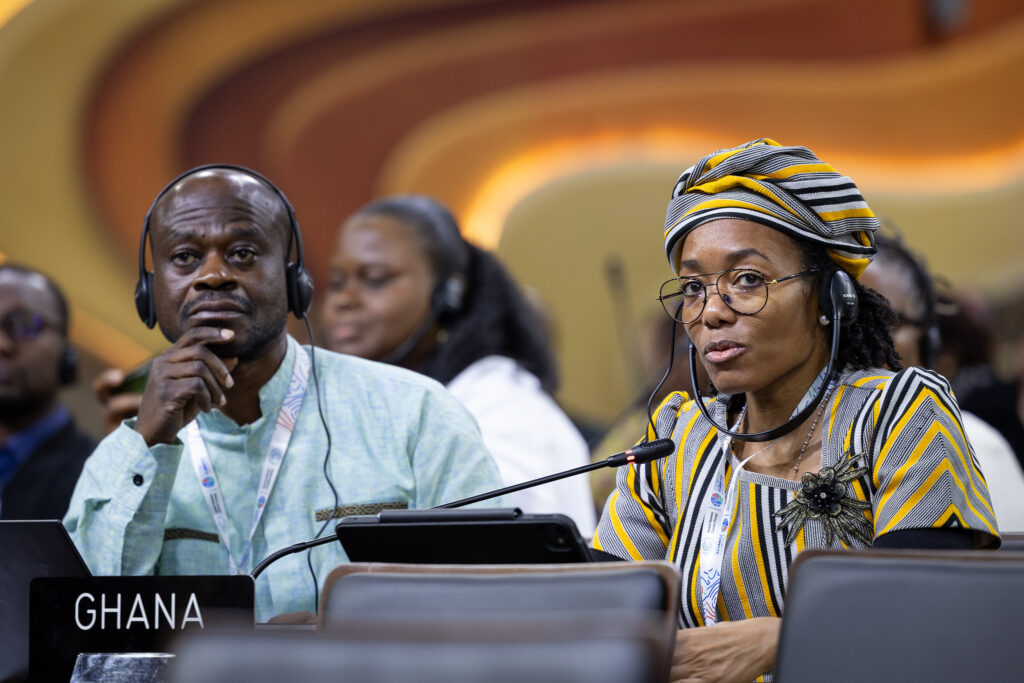
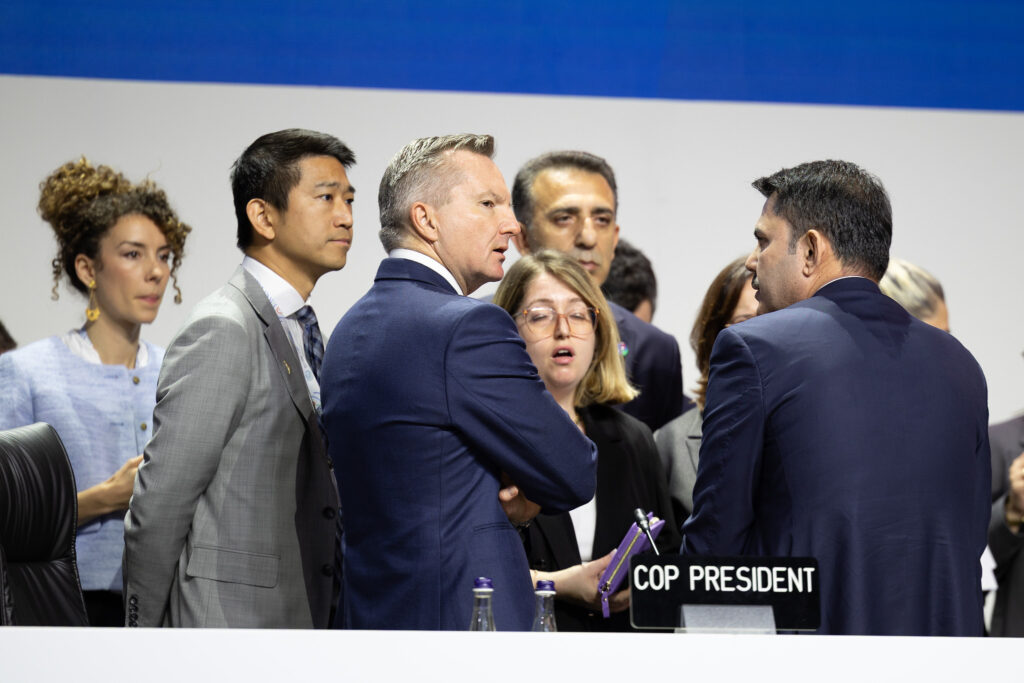
In an awkward moment during the closing plenary, COP31 President Murat Kurum cut off Ghana’s Environment Minister, Dr. Zanetor Agyeman-Rawlings, mid-speech as she delivered the closing statement for the African Group of Negotiators (AGN). The interruption drew swift condemnation inside and outside the hall. While multilateralism is theoretically built on inclusion, shared norms, and collective rules, Africa’s lived experience in these spaces has often felt quite different.
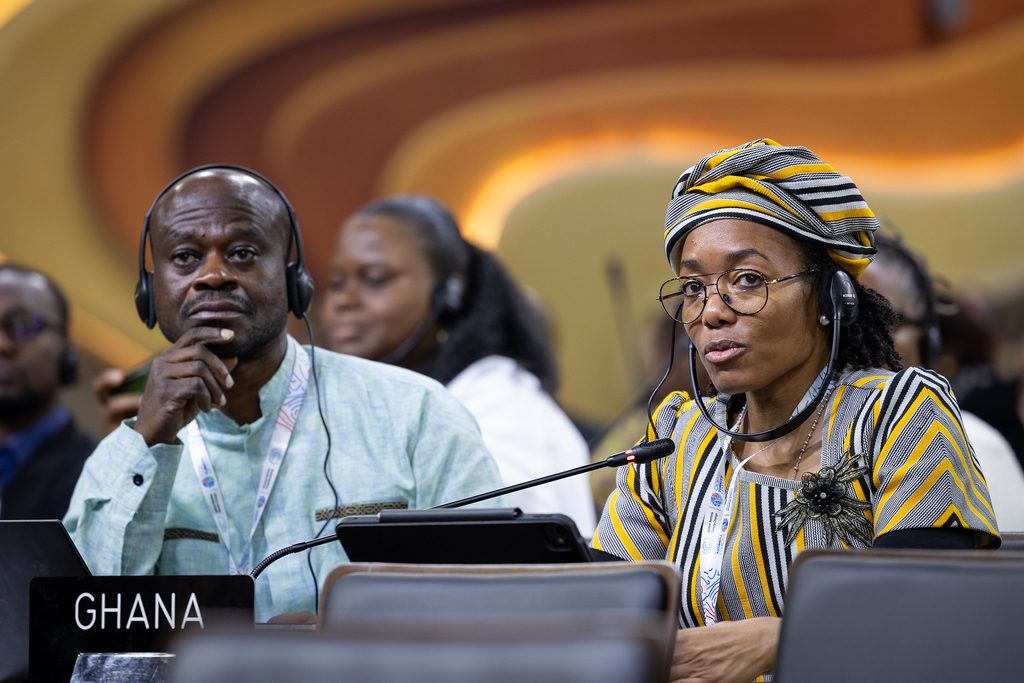
‘‘Your Excellency, be aware of the principle of primus inter pares [first among equals],’’ Dr. Agyeman-Rawlings told the President. ‘‘I take this opportunity to state that there’s a Code of Conduct during deliberations, and yours toward me was unacceptable.’’
The minister was referencing UNFCCC guidelines requiring all participants to ‘‘act with integrity and respect towards all participants’’ and uphold ‘‘the highest ethical and professional standards.’’
Though developing nations have ample reason to walk away from a process that routinely sidelines them and under-delivers on promises, they have stayed at the table, hoping developed countries will eventually honour their obligations and negotiate in good faith. So far, that has not happened—and if COP31 is any measure, the trust deficit has only widened.
Dr. Agyeman-Rawlings stressed that the integrity of these negotiations is vital for Africa, which bears a disproportionate brunt of climate impacts.
‘‘Ghana remains committed to advancing Africa’s collective climate priorities and strengthening multilateral cooperation towards a fairer and more sustainable future.’’
— Dr. Zanetor Agyeman-Rawlings, Environment Minister, Ghana
Which way for multilateralism?
Three decades later, climate multilateralism looks bruised, slow-moving and increasingly vulnerable to entrenched interests. Yet international cooperation remains far more consequential than a failed summit. For climate-vulnerable nations, an imperfect multilateral system is still infinitely preferable to being shut out of global decision-making altogether.
Despite the setbacks in Antalya, Adow insists the UN climate process remains ‘‘remarkable and indispensable.’’
‘‘Unlike exclusive clubs of wealthy powers such as the G7, the COP gives every country a seat at the table,’’ he says. ‘‘[Developing countries] hold a voice, can directly challenge the world’s biggest polluters, and demand accountability from Western powers whose emissions dictate our future.’’
Adow notes that the Paris Agreement is proof multilateral cooperation can work when political will exists.
James Kahongeh leads media and communications at Power Shift Africa