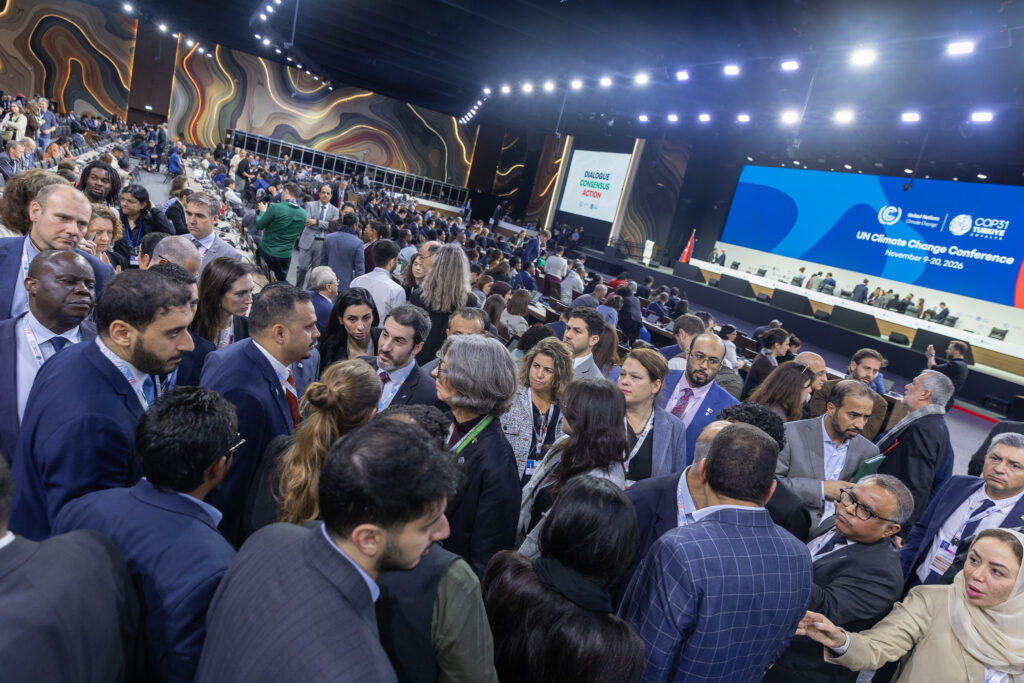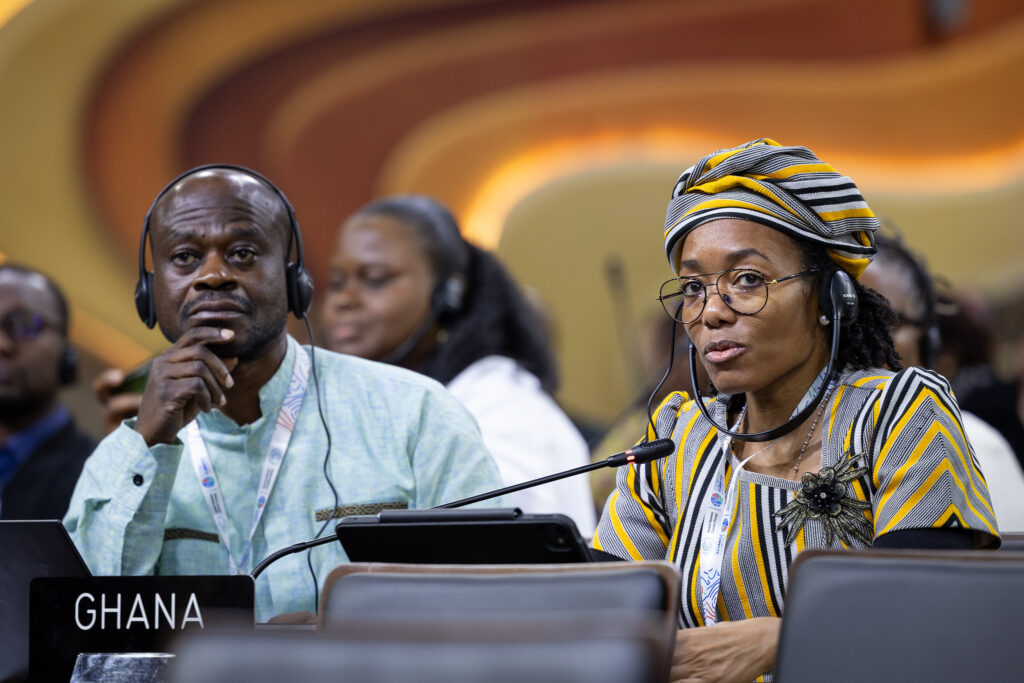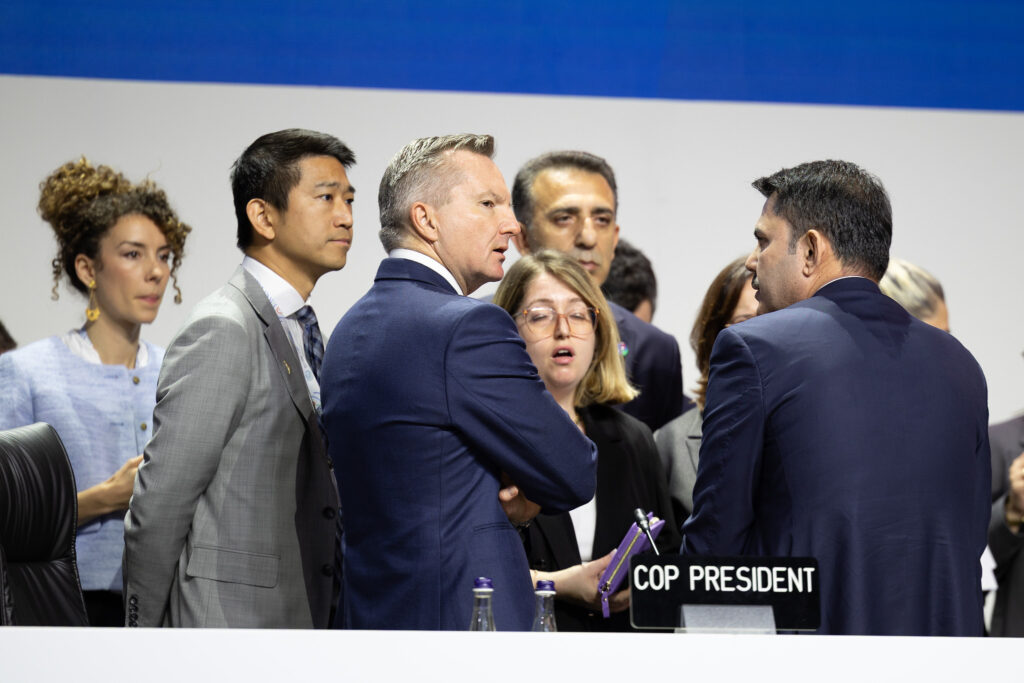
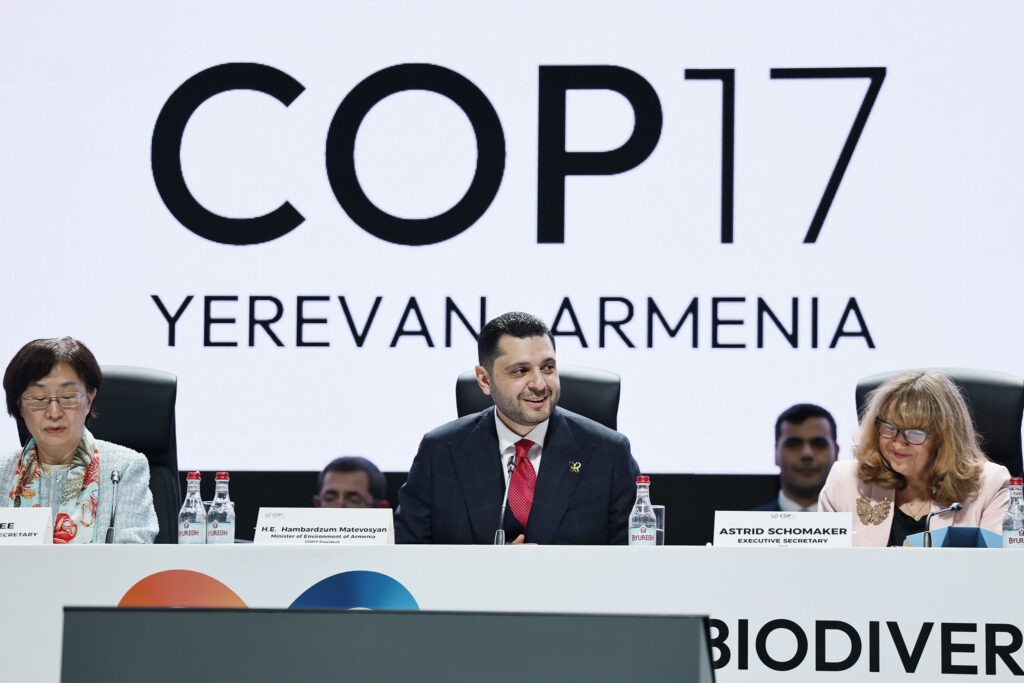
One of the main tasks before this COP was to review the findings of the inaugural stocktake of the Kunming-Montreal Global Biodiversity Framework targets (KMGBF). The KMGBF is the main operational framework and strategic plan for implementing the CBD Convention. It was adopted in 2022 at COP15 to halt and reverse global biodiversity loss in the world.
Review of First Global Stocktake of the KMGBF
After an intense review process, the State of Biodiversity Action report was launched.
Despite Target 18 committing Parties to eliminate, phase out, or reform subsidies harmful to biodiversity, including subsidies to plastics and other byproducts of fossil fuels, and to reduce them by at least US$ 500 billion per year by 2030, negotiations at COP17 did not reach any consensus on how to implement this.
While the COP17 Presidency launched an initiative to close the biodiversity funding gap by reforming economic incentives, some Parties, notably the European Union, Russia and Saudi Arabia, opposed it, a disagreement that reflects how far the world remains from achieving biodiversity targets before the 2030 deadline. This continued lack of consensus delays the implementation of critical actions aiming to reduce biodiversity and ecosystem loss.
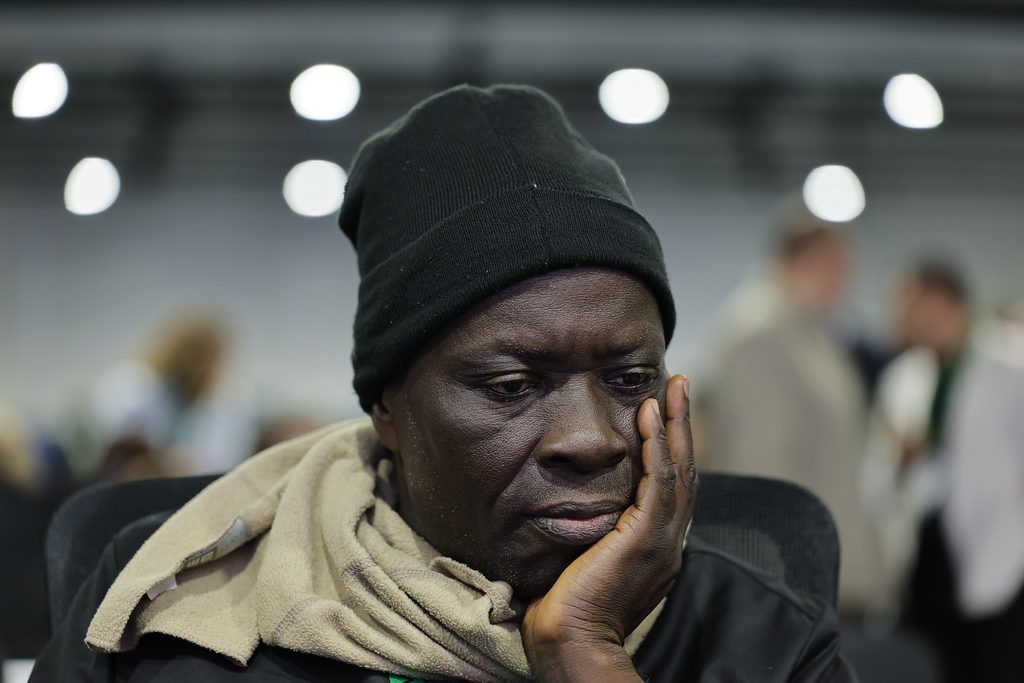
Closing the justice gap
This COP failed to resolve persistent questions of biodiversity injustice. During negotiations, some developed-country Parties strongly opposed naming Indigenous peoples and local communities (IPLCs), women and youth, and other historically excluded stakeholders in the formal text. Instead, they pushed hard to include the phrase “actors other than national governments” in what many justice champions and observers see as weak language in the outcome. Developing countries, notably Brazil, the Democratic Republic of Congo, Colombia and Panama, consistently pushed for explicit mention of IPLCs, women, youth and other marginalised stakeholders in the texts.
For these groups, calling them “actors other than national governments” was a downgrade that reflects the continued lack of recognition of their rights under the Convention on Biological Diversity. They instead proposed “major groups and stakeholders” as an alternative to the term put forward by Japan, the European Union, and the United Kingdom.
Gender responsiveness
Terminology disagreement persisted across different negotiation rooms, particularly engagement with subnational governments, cities, and other local authorities to enhance implementation; the financial mechanism; resource mobilisation; and capacity building and development.
Russia strongly opposed the use of “gender responsiveness” in the text, instead proposing “gender sensitive”, which IPLCs, women and youth, objected to. The push to deploy alternative terminology was seen as a ploy to dilute policies that demand institutional accountability – by treating specialised groups as passive beneficiaries.
COP17 confirmed that many developed countries are trying to run away from being held accountable by changing policy terminologies that water down the system that is supposed to close gender disparities across nations.
Means of implementation
Throughout the conference, vulnerable groups called for justice through the means of implementation, and demanded that developed country Parties provide a genuine, enabling environment, predictable finance, and rapid technology transfer to implement the framework.
Target 19 of the KMGBF aims to mobilise at least US$ 200 billion per year for biodiversity from all sources. It’s one of the core tools for implementation of the framework, together with Target 20 (capacity building and technology transfer) and Target 21 (information sharing and knowledge management). The annual biodiversity finance gap of US$ 700 billion falls hardest on the nations that hold the world’s richest natural ecosystems.
Ironically, the conference came to a near standstill when discussions on operationalisation began, even though most 2030 targets are off track. Developing countries argued that developed countries must not come up with new ambitions and should instead deliver on the already agreed ones. They emphasised accelerating KMGBF implementation towards the 2030 (restoring marine ecosystems) and 2050 (long-term) targets.
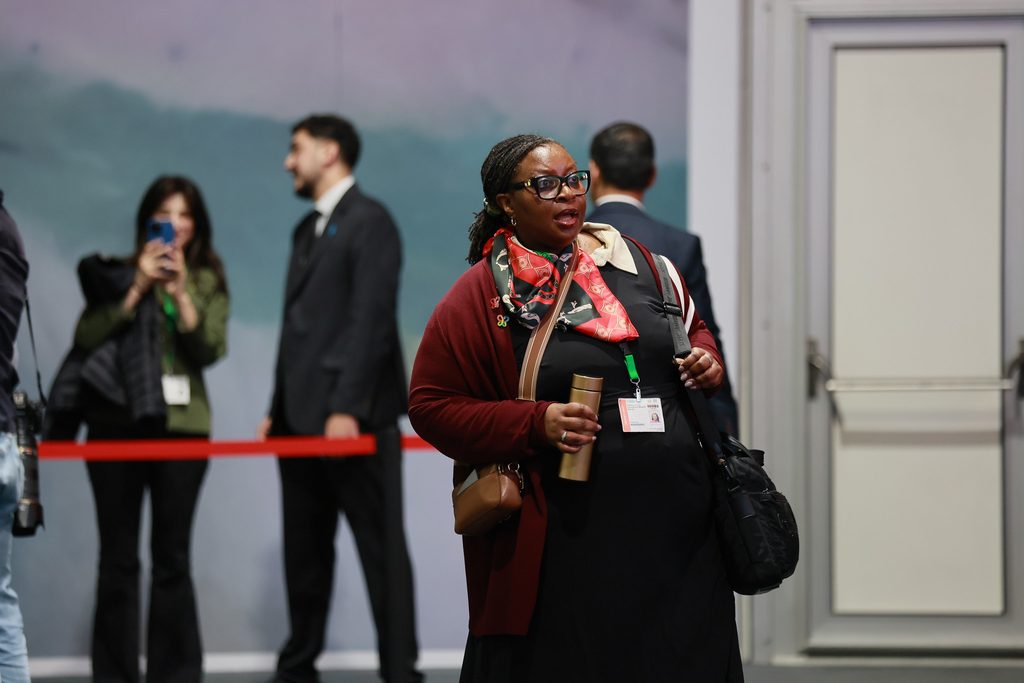
Ultimately, the framework’s success depends on the adequacy and accessibility of financial resources, and on aligning international support with national priorities.
Biodiversity justice isn’t only a matter of global accountability, but also a structural requirement for achieving the 2030 and 2050 targets. Although countries have different national circumstances and capacities, they must recognise their collective responsibility in this effort. The world must come together to address biodiversity loss and damage. For communities already feeling the impact of this loss, financial support is a matter of survival.
Mary Kyanyi is an Adaptation and Resilience Fellow at Power Shift Africa