BY MERCY JOHN AND LEONHARD KICK
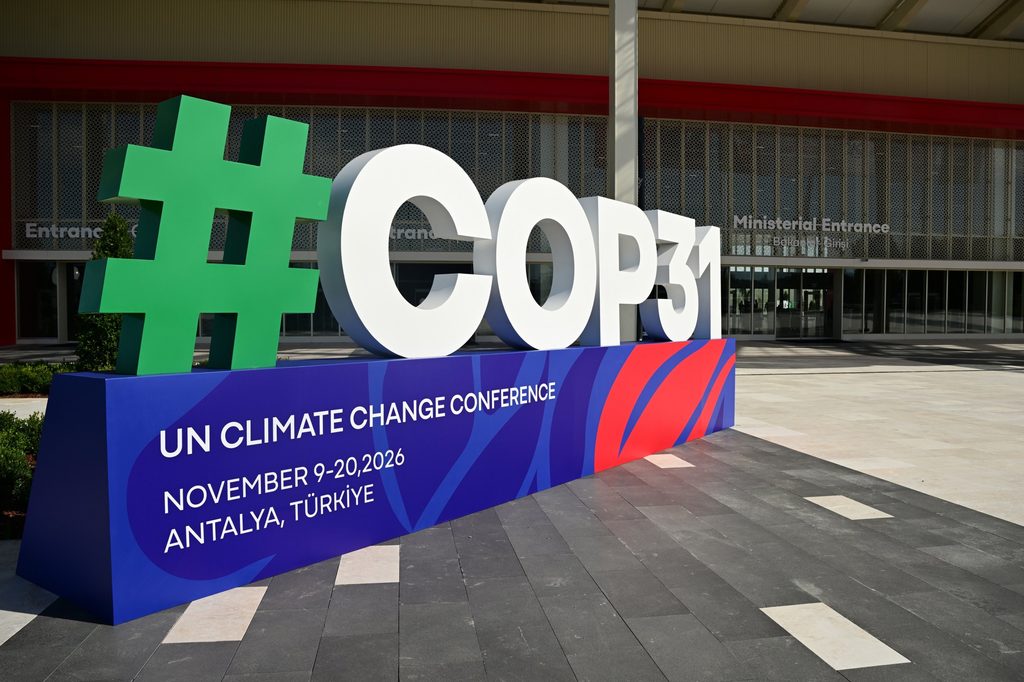
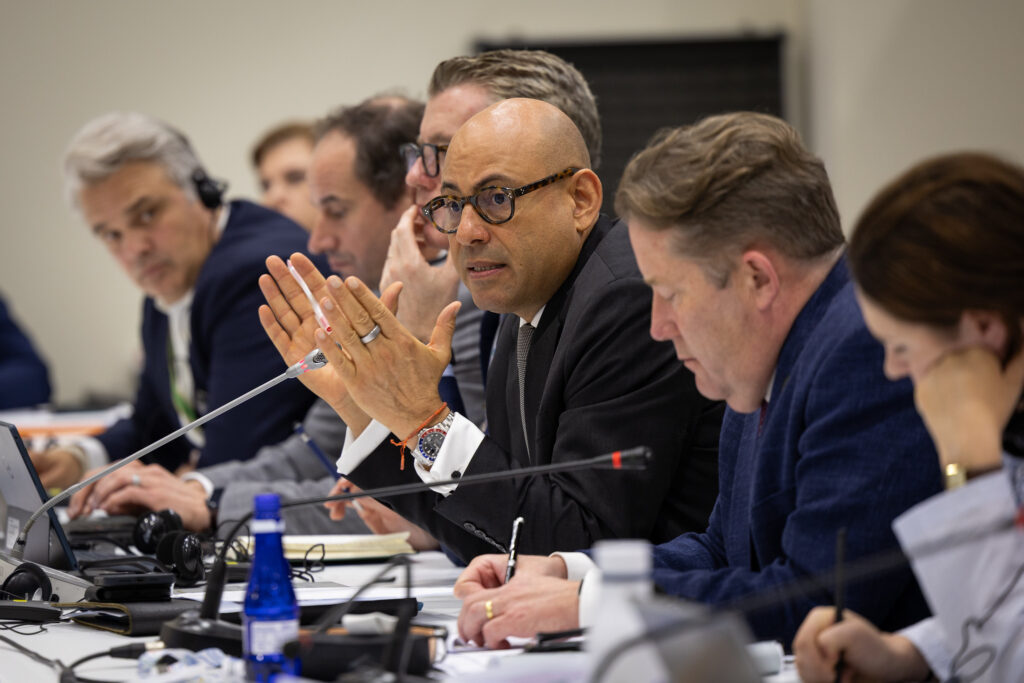
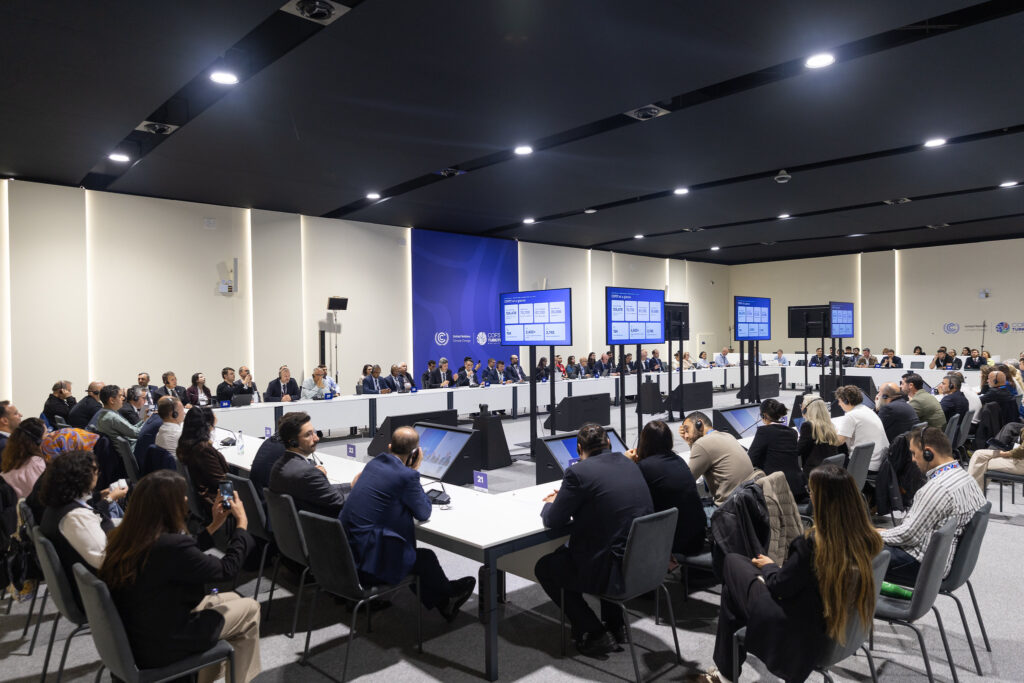
At COP31 in Turkey, pledges to the fund meant to help developing countries prepare for droughts, floods, and sea-level rise were so grossly low that pooling US$300 billion a year now appears a faraway cry. At the Adaptation Fund pledging dialogue in Antalya earlier this week, a worrying trend was revealed. From US$192 million in new pledges at COP28 to US$133 million at COP29, and now EUR 51 million, pledges have been declining yearly. This doesn’t inspire confidence.
Apart from EUR 51 million in fresh commitments from Spain, Germany, Ireland, and Quebec and supportive words from Switzerland, there was hardly much else. Norway described future contributions through Article 6 carbon-market transactions, with significant flows expected only later.
Every dollar counts. Every minute matters. Vulnerable communities cannot adapt to climate impact through good vibes. Encouraging promises cannot rebuild homes. Neither can words of affirmation secure livelihoods. The Adaptation Fund needs ambitious capitalisation. It needs to mobilise at least US$1.2 billion to respond to project proposals presented for the 2026-2029 period. The United Nations Environment Programme (UNEP) estimates that developing countries need US$387 billion annually for adaptation by 2035. Today, they receive only a tenth of that annually. The demands will keep growing. But will the money match the needs?
For years, the Adaptation Fund has made it possible to invest in water security for pastoral and farming communities. In Palau, moving a school from a coastline that keeps rising will protect children, protect structures, and guarantee a community’s safety during disasters. In this case, the Adaptation Fund helps buy a safer place to learn and a safe place to shelter when storms hit.
What does failure to resource the Fund mean to pastoral communities forced to move their herds throughout the year because pasture has dried up? What does it mean when they lose millions of their livestock to droughts? What does this lack of ambition mean for millions of farmers on the continent whose families face the prospect of starvation yearly after failed crop seasons? What are we supposed to tell them when we can’t provide early warning systems to protect their lives and livelihoods?
The Fund was designed to bring change and hope in communities. Adaptation finance was to be provided entirely through grants. With these resources, developing countries can invest in early warning systems, climate-smart food systems, water storage, and disaster preparedness. They can do this without sliding deeper into debt.
Moreover, its direct access model allows institutions to apply for, receive, and manage grants independently. It also allows institutions in developing countries to take responsibility in climate action. Even more crucially, solutions are designed closer to the communities experiencing the impacts, thus giving them a voice in choosing their adaptation priorities.
Few elements symbolise the global failure in Antalya like the shortfall in the Adaptation Fund. The shortfall means starving communities and livestock without water. It means threatened infrastructure, ecosystems, and economies. Because when we invest in adaptation, we protect lives and build the resilience of communities and economies. This fund is indispensable.
That brings us back to the Paris Agreement. When developed countries signed the agreement, they accepted the obligation to provide financial resources to assist developing countries to mitigate and adapt to climate impacts. They also committed to providing public and grant-based adaptation finance to vulnerable countries. They must honour that commitment. So far, they haven’t. The world is on course to exceed 1.5°C. Crises will multiply, and so must resources.
In Antalya, developed countries had an opportunity to demonstrate climate leadership by pledging ambitiously to the Adaptation Fund. Instead, they chose to go back home with egg on their face by failing to meet the moment. Still, all isn’t lost. They can resolve some of the dissonance by contributing to the Fund. That way, they will have saved face.
Mercy John is a Climate Finance Fellow at Power Shift Africa
Leonhard Kick is the Project Lead, Swiss Youth for Climate