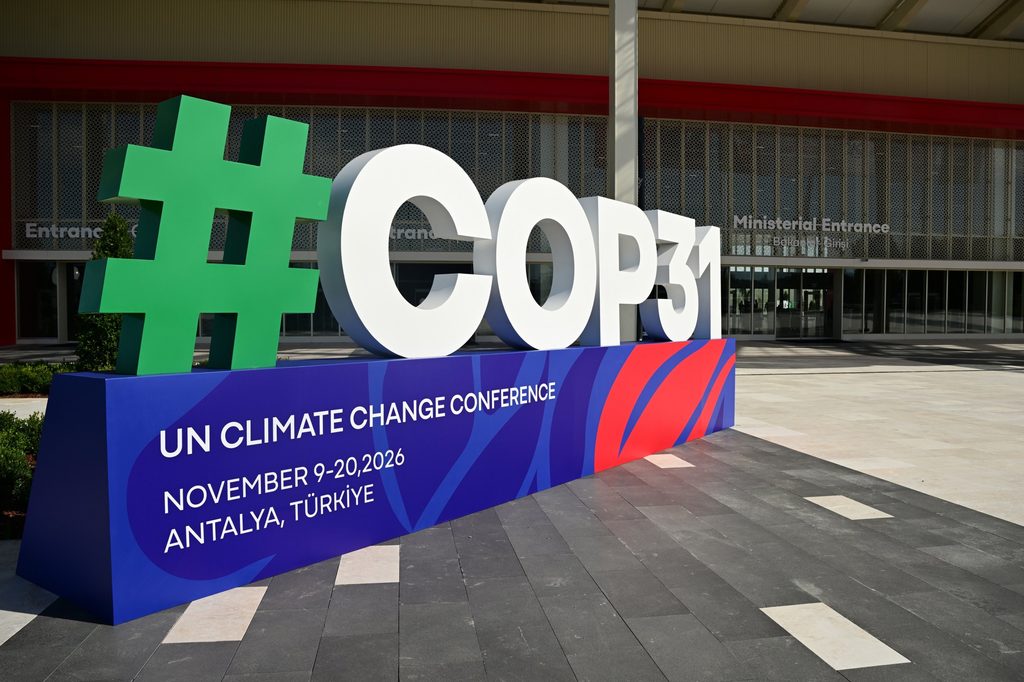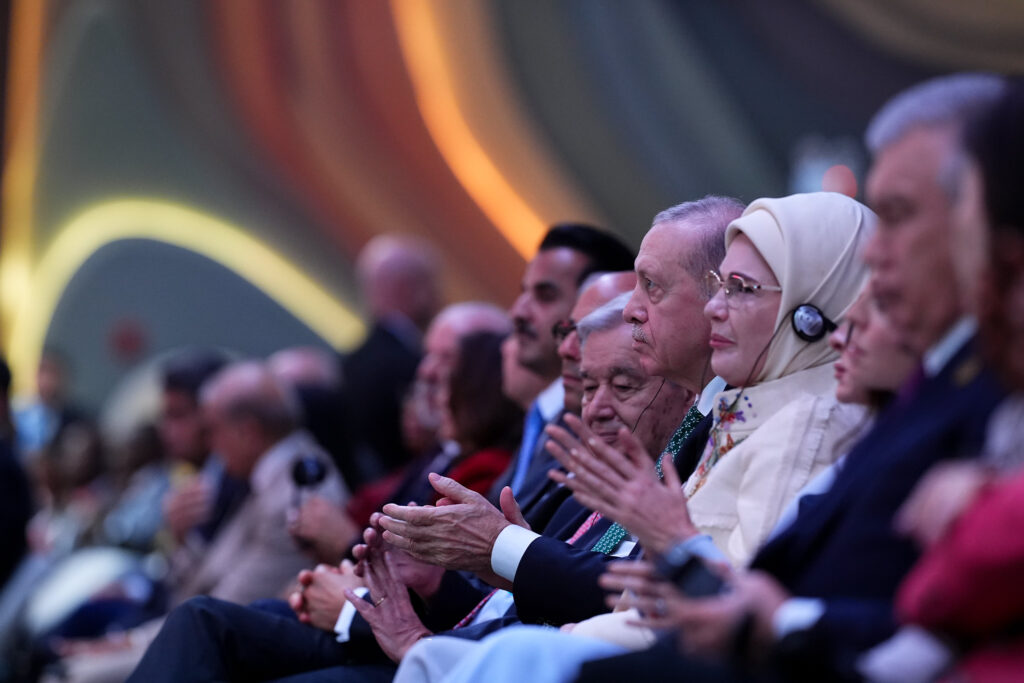
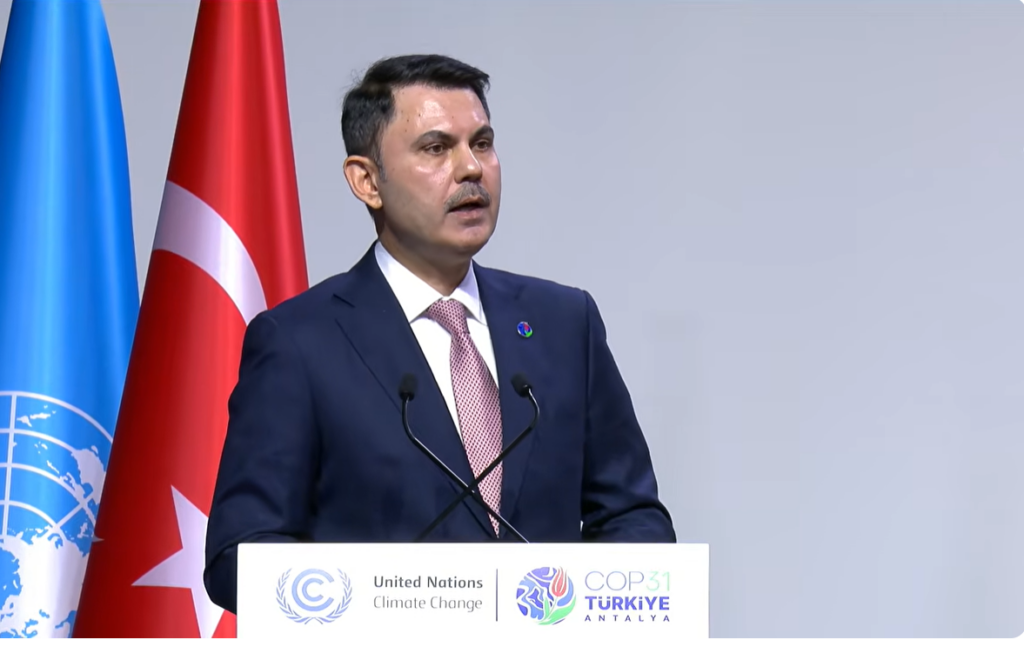
Maybe we did not hear correctly. But then we read the speech at the opening plenary of COP31. In his opening address, COP31 President Murat Kurum positioned Türkiye as a bridge. One that will build common ground to meet the expectations of both developed and developing countries. He referred to the notable outcomes of the Pacific Pre-COP, which included a call to make finance easier to access.
But in the same breath, he said the Presidency would “help find solutions to the challenges facing vulnerable countries.” That raises a fundamental question: what have we been campaigning for? Now we are certain that this Turkish COP31 Presidency frames the Global South through a deficit lens.
Let’s unpack.
The statement “help find solutions to the challenges facing vulnerable countries” suggests that solutions do not already exist. It glides past the solutions already in place that need technical and financial resources to continue or scale, especially in Least Developed Countries.
As of October 2026, at least 29 African countries had submitted their National Adaptation Plans, more than any other region. Locally led adaptation models exist, and partnerships between Indigenous communities and institutions have taken root. What prevents these efforts from thriving is access to finance.
Africa is also building its own evidence base. The Chair of the African Group of Negotiators (AGN), Dr Nana Antwi-Boasiako Amoah, has called for stronger partnerships across the continent among universities, research institutions, policymakers and negotiators, so that negotiations rest on “current and credible African data”. The gap is not ideas, nor is it the formulation of resolutions. The gap has always been, and continues to be, money: how it is delivered, and how accessible it is.
The opening statement described trust as infrastructure for climate action. For a country, the COP31 President said, trust means receiving promised finance on time. We agree. There is ample evidence that homegrown solutions exist. The time to honour commitments is now, at this COP, and trust will be established when these pledges come to fruition.
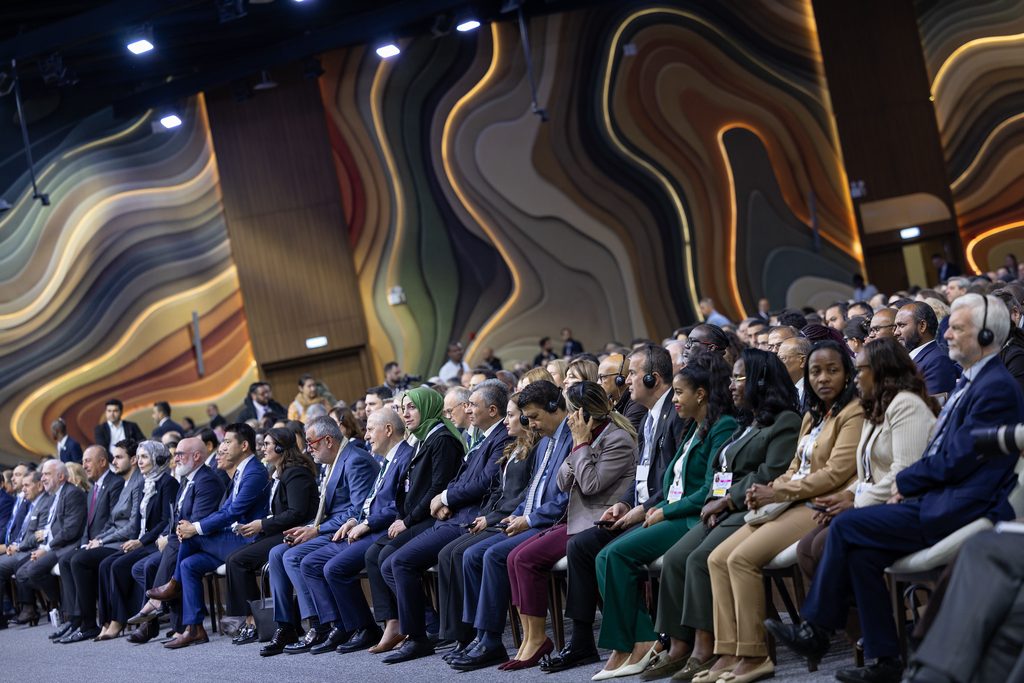
One other statement is worth sitting with: “A decision proves its worth when it makes a difference to someone’s life.” We agree with this too. Which is why adaptation indicators without finance are meaningless. A country can track its progress against all 59 Belém Adaptation Indicators, but measuring these does not build an early warning system or a drought-resilient farm. Finance does.
So we pose these questions for thought: If solutions already exist, why is the conversation still about ‘finding them’? When will the commitment to triple adaptation finance by 2035 have a baseline and a delivery plan? Who decides what counts as a solution? Whose knowledge sits at the centre of that decision?
Antalya has asked to be remembered for the work that began at this COP. For Africa, that work began long before. Antalya should instead be remembered as the COP that compelled developed countries to deliver on their financial commitments.
Natalie Sifuma is the Adaptation Communications Lead at Power Shift Africa