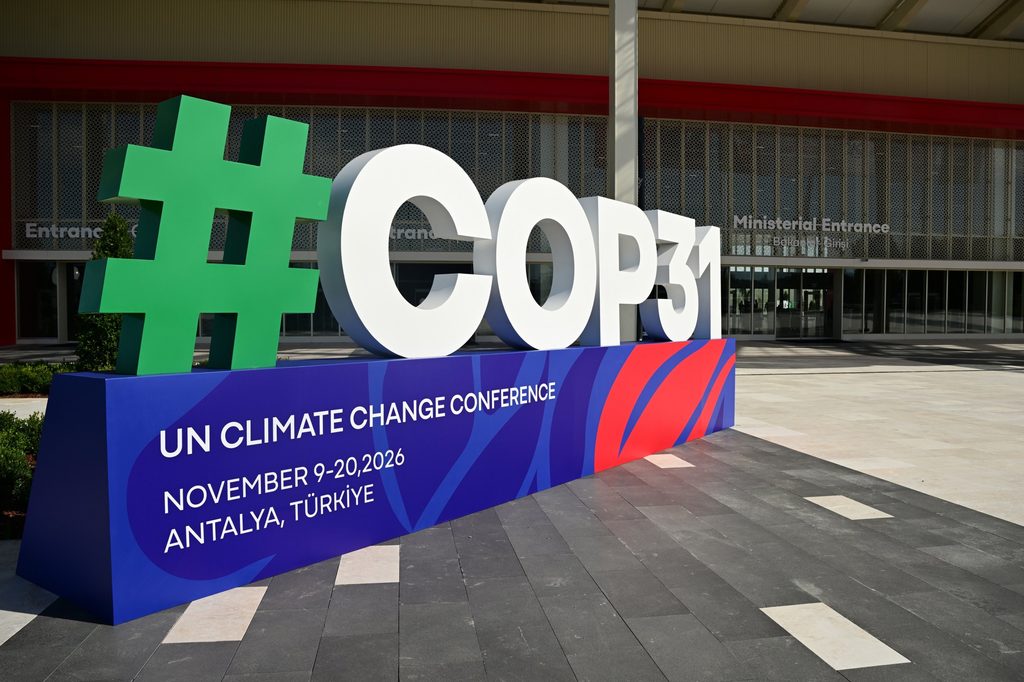
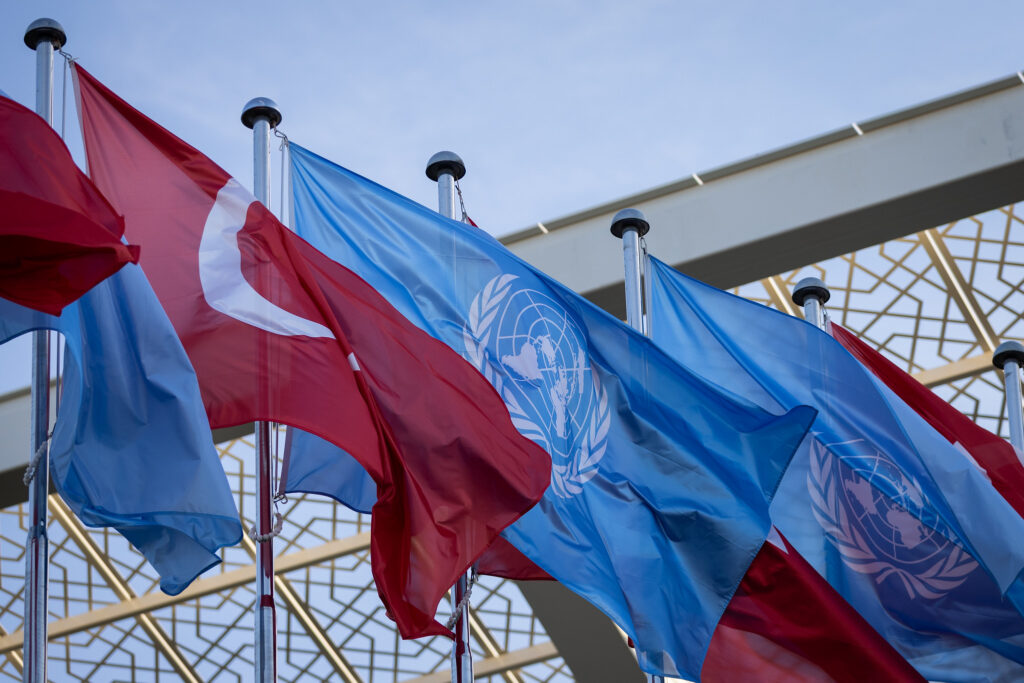
As world leaders converge in Türkiye for COP31, a familiar question is hanging over the negotiations: where will the money come from to help developing countries tackle climate change?
In recent years, wealthy nations have decried severe strain on their national budgets and the difficulty of meeting international climate commitments. Yet when military spending comes into play, these constraints suddenly disappear.
In 2025, NATO members spent $1.58 trillion on defence. Yet at COP29 in Baku, developed countries agreed to mobilise only $300 billion for developing countries by 2035. The staggering difference reveals what wealthy nations truly prioritise.
Across Europe, governments are rewriting borrowing rules and expanding defence budgets. In 2025, for instance, the UK government announced plans to cut its overseas aid budget from 0.5 percent to 0.3 percent of national income by 2027 to help fund increased defence spending. Since Britain’s international climate finance comes from its aid budget, this decision will effectively slash resources available to help vulnerable countries confront climate impacts.
That same year, Germany changed its borrowing rules to allow greater spending on defence and infrastructure and created a €500 billion fund. Meanwhile, its international climate finance fell short of the €6 billion target by €1.3 billion. The message is difficult to ignore. When developed country governments consider something important, they always find ways to finance it.
That hasn’t been the case for financial commitments to help some of the world’s poorest and climate-vulnerable countries cope with climate impacts. These continue to be squeezed.
The question facing COP31, therefore, is not simply whether rich countries can afford to meet their climate commitments. It is whether they are willing to prioritise them. – Wanyangi, Manjonjo
Europe’s security concerns are real and valid. No serious argument about climate finance should dismiss them. That said, we must not forget that climate change is also a security threat that’s destroying lives and livelihoods across Africa. As the planet warms up, impacts will not be confined to national borders. In the future, governments will face even more difficult spending choices. But if they can rewrite financial rules to respond to military threats, why can’t they demonstrate similar ambition in confronting the global climate crisis?
This matters enormously for Africa, where governments need money to protect communities, strengthen food systems, expand clean energy, and build resilient economies. To implement their national climate plans, African countries need an estimated $277 billion annually. In 2021 and 2022, however, the continent received an average of $44 billion in climate finance, leaving communities exposed to floods, erratic weather, and unpredictable farming seasons for communities. For governments, this financing gap means choosing between investing in climate resilience and other urgent development needs.
Worse still, wealthy countries largely provide climate finance as loans rather than grants, thus saddling poor nations with crippling debt as they seek to protect their communities from a crisis they did little to cause. In 2023, 65 percent of Africans lived in financially constrained countries that spent more on interest payments than on health or education.
Building flood defences helps save lives. Cushioning communities against drought protects livelihoods. These interventions may not generate income, but they are critical for survival.
Forcing the world’s poorest people to borrow simply to live is neither just nor a sustainable response to climate change. – Wanyangi, Manjonjo
The Paris Agreement addresses this fundamental question of fairness by obligating developed countries to provide financial resources to their developing counterparts to tackle climate change. The obligation recognises both their historical responsibility for global emissions and greater financial capacity. Consequently, climate finance isn’t an act of generosity but a requirement under international law.
At COP31, developed countries must do more than regurgitate past promises. They must set out credible plans to deliver climate finance, protect international funding from aid cuts, and prioritise grants over loans for climate-vulnerable and debt-distressed countries.
Recognising the urgency of the moment and the need for global solidarity isn’t enough. The recognition of collective climate action will ring hollow if wealthy countries keep treating climate finance as an optional expense while funding war by the trillions.
The world isn’t short of resources to respond to climate change. Its priorities just happen to be elsewhere. As world leaders gather in Antalya, their biggest test is whether they have the political will to reconsider their priorities for the sake of the people and planet.
Peter Wanyangi is a Climate Finance Project Officer and Kudakwashe Manjonjo is a Just Transition Advisor at Power Shift Africa