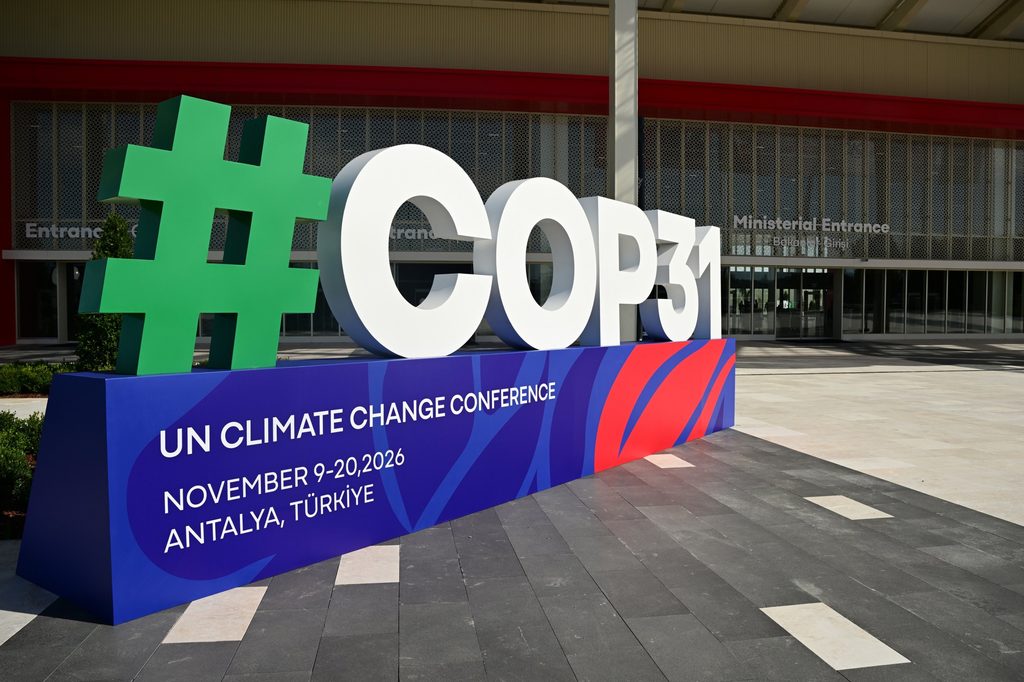
Welcome to the Power Shift Africa daily blog for COP31. The summit began in Antalya, Turkey, on Monday, November 9, 2026, amid geopolitical theatre, acute global energy shocks, and worsening climate impacts. For the next two weeks, however, this summit must rise above these tensions to deliver a deal for people and the planet. Our team is on the ground following the negotiations and will bring you analyses based on Africa’s priorities for this COP, including for Adaptation, Climate Finance, Just Transition, and Energy.
This blog has officially closed.
COP31 ended on Sunday, November 22, 2026, after two extra days, without a deal. The final hours of the climate summit were marred by a fierce dispute over fossil fuel phaseout language, a stalemate on climate finance, and lack of a consensus. That makes this COP only the third in history to collapse after COP6 in 2000 (The Hague) and COP15 in 2009 (Copenhagen).
Welcome to the 13th day of our COP31 coverage. When we started blogging about this COP two weeks ago, we hoped that a deal would be struck by Friday, and the summit would end as scheduled. That Parties would be on each other’s jugular on Saturday morning with no end in sight of the climate talks wasn’t on our bingo cards. But a COP dragging on for hours, even days, beyond schedule isn’t unprecedented.
READ: At a Glance: COPs that ran into overtime
In an update during the suspended plenary on Friday night, COP31 President Murat Kurum said an updated version of the decision text would arrive Saturday morning. Earlier, his Australian co-President Chris Bowen had told reporters that the definition of overtime at a COP ‘‘is a pretty broad concept’’ and that the Presidency was ‘‘guiding the Parties towards consensus.’’ He didn’t give a timeline for when that would be done.
Negotiations at COP31 in Antalya, Turkey, are officially into overtime. Parties have failed to reach a deal owing to several major divisive issues.
Why COP31 has gone into overtime
Fossil fuel standoff
Outrage erupted after all explicit mentions of phasing out fossil fuels were stripped from the draft cover decision on November 19. Oil-producing nations resisted binding phase-out roadmaps, while vulnerable states warned against a ‘‘ghost summit’’. Panama vowed to block any deal lacking fossil fuel language.
Climate Finance stalemate
Like any COP, the success of Antalya was always pegged on the money. Developing nations accused wealthier countries of abdicating their political responsibility by failing to provide resources to facilitate the energy transition and build resilience without worsening the former’s debt situation.
Just Transition friction
Parties were sharply divided over how to operationalise the Just Transition Mechanism established at COP30 in Belém. While many nations pushed for formal timelines and intersessional work, others argued that defining the mechanism’s functions now is premature.
Carbon removal technologies (CDR)
The draft text contained language on carbon removal technologies, which negotiators from developing countries and climate groups dismissed as a ploy to prolong reliance on fossil fuels while sidelining direct fossil fuel phase-out commitments. The text on November 19 elevated carbon capture, utilisation, and storage (CCUS/CCS) at the expense of deep emission cuts. About 700 carbon capture lobbyists attended COP31.
IPCC standoff
Parties have failed to agree on when the IPCC should publish its 7th Assessment Reports. Dozens of nations, including the European Union, the Alliance of Small Island States, and the Least Developed Countries group, want all parts of the AR7 published before the 2028 Global Stocktake. This is to ensure that global climate policies are guided by the latest science. Conversely, others like Saudi Arabia, China, India, Russia, and Kenya are pushing to delay the report’s completion until 2029, maintaining that a slower pace is necessary to ensure equitable and meaningful participation from resource-limited scientists in developing countries. Critics and climate-vulnerable nations argue that postponing the report would leave the 2028 stocktake less informed.
Welcome to the the official last day of COP31. ‘‘Official’’ because it isn’t the last one yet. While these climate talks were officially scheduled to wrap up Friday, negotiators and observers in Antalya expected talks to spill into the weekend due to deep divisions over the final agreement.
If you are just joining us, it’s been a long day at COP31 and tonight promises to be an even longer night, with a major fallout over the draft text released Thursday by the summit Presidency.
Since late Thursday, Parties have clashed over fossil fuel language, deadlocked on climate finance targets, just transition, and tripling adaptation finance. The Presidency’s revised draft decision text released on November 19 left out explicit calls to phase out fossil fuels and instead focused on global electrification. This sparked immediate and intense pushback from developing country blocs, including Africa.
Throughout Friday, we heard from different negotiating and observer groups, many of them expressing displeasure at, and even rejecting, the text. Keep scrolling for details on who has said what so far.
COP31 CLOSING PLENARY
Murat Kurum: We have made significant progress, text to land Saturday morning
Speaking at the plenary, COP31 President Murat Kurum said that significant progress had been made in Just Transition, finance, adaptation, and mitigation, and that the Presidency hoped to finalise the text.
‘‘Our team will work from midnight onwards and will look to find an outcome to the agenda,’’ Kurum said, adding that the Presidency would be reaching out to Parties before midnight Friday.
‘‘The third iteration of the cover decision will be released tomorrow, along with other texts. You don’t have to be here before 9 am.’’
—Murat Kurum, COP31 President
The closing plenary has now moved to 21:00 local time.
A closing plenary of the COP31 climate summit has been called, scheduled to start at 20:00 local time.
Bowen: It isn’t overtime yet, good things are worth waiting for
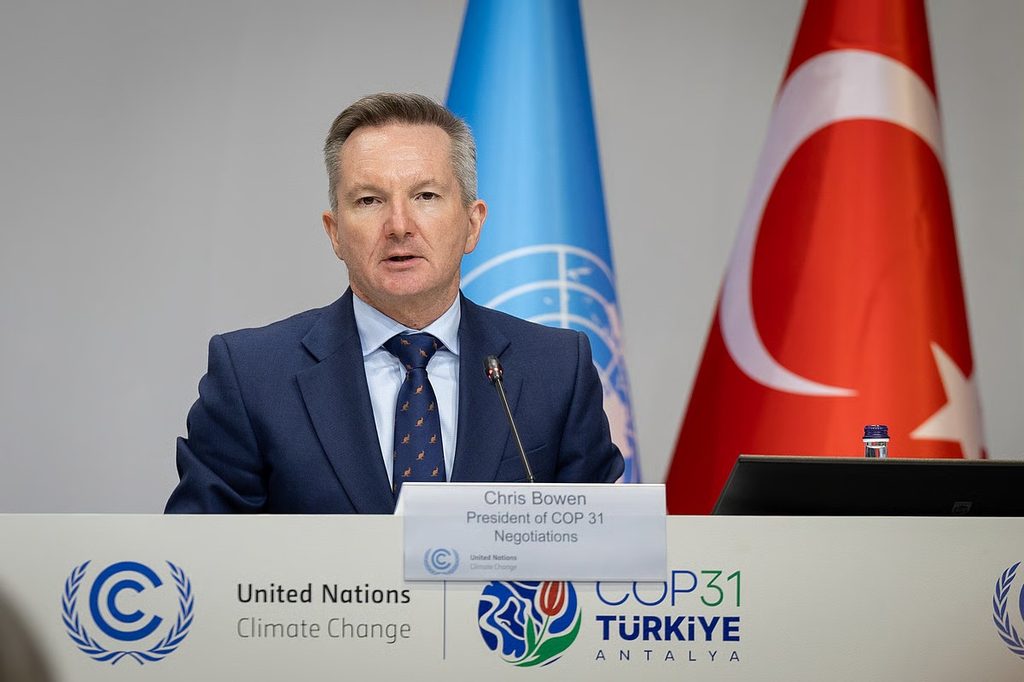
We have heard from the COP31 President of Negotiations, Minister Chris Bowen of Australia, who spoke to journalists this evening. Below is an excerpt of his exchange with reporters:
On progress so far: ‘‘Well, things worth doing, in my experience, don’t come easy. And I’ll tell you what’s worth doing is electrification. Electrification is the key to transitioning away from fossil fuels.’’
On why electrification is a priority: ‘‘Electrification is the how. Electrification…will deliver two-thirds of what we need to do to keep the world at 1.5 degrees of warming by 2035. That is worth doing. That is what this COP is about.’’
On the tensions at COP31: ‘‘This is my fifth COP. No COP I’ve been to has been easy. No COP I’ve been to has reached agreement immediately or even at the second go. This is a consensus party-driven process. We’re guiding the parties towards consensus, and we’ll continue to do that. Because this is worth working for and fighting for.’’
On multilateralism’s ability to deliver: ‘‘I think it can. I think you can deliver a very strong message that overshooting 1.5 is not acceptable, and the world will not let it happen. And I’ll tell you how we cannot let it happen: by doubling down on not only the renewable transformation, but electrification.
On when things could end: ‘‘We are going to continue to work here over the coming hours for as long as it takes to get the job done.’’
On fossil fuels: ‘‘Look, there’s always a fossil fuel discussion at all the COPs I’ve been at. That’s not a surprise. It was in Belém; it was in Baku. This was and is a COP about whether we choose to deal with the overshoot or not, and whether we choose to electrify or not. I think the answer to both those questions should be yes.’’
On fossil fuels returning to the text: ‘‘I believe that the work to transition away from fossil fuels can and will continue. How that’s reflected [in the text] is something that we’ll continue to talk to Parties about.’’
On possibility of COP31 going into overtime: ‘‘It’s not overtime yet. Have any COPs finished on the scheduled announced time? You know, the definition of overtime at a COP is a pretty broad concept, is it not?’’
On Panama threatening a walkout of COP31: Red lines – that’s how negotiation works. Parties have to put views to us in consultations, and they have. We’re doing our best to reflect those. That’s what we work off, frankly. What parties tell us in consultations, not how views are expressed out there.’’
Why COP31’s cover decisions draw parallels with Constantinople’s 15th-century fall
BY NEIL OVERY
An ancient Ottoman legend seems particularly apt as COP31 draws to a close in Antalya, Turkey. According to this legend, Constantinople, which is modern-day Istanbul, fell in 1453 to the Ottoman army under Mehmed II because the city’s theologians were so busy arguing over whether angels were male or female that they failed to notice the breach of the city’s walls.
Equally apt is the notion that Rome burned to the ground in 64 CE while Emperor Nero amused himself by playing music.
A more modern take on what appears to be happening at COP31 looks to 19th-century America, when elected representatives in the Senate would argue points endlessly (filibuster) to delay legislation. Mostly associated with senators from the southern states of America, it was used repeatedly to block civil rights reforms.
Is something similar happening at COP31?
Are we witnessing the Presidency drawing up a ‘cover decision’ that simply refuses to accept the realities of the climate crisis? Are we witnessing the creation of a filibuster ‘cover decision’ that replaces action with yet more rumination? One that refuses to move from diagnosis to the cure?
Perhaps the idiomatic expression, ‘admiring the problem’, is even more apt. This idiom suggests that, sometimes, perverse incentives can be dished out to prevent the resolution of a problem, because in solving it, responsibility must be assigned and actions must be taken.
Is the developed world busy ‘admiring the problem’ in the latest ‘cover decision’?
Neil Overy is a consulting researcher at Power Shift Africa
‘‘The worst COP ever” – Climate Action Network rejects text, condemns rich countries
At its final COP31 press conference today, Climate Action Network has rejected the negotiating texts now on the table and called on Global South governments to do the same. Speakers accused developed countries, led by the European Union, of blocking every track, and accused the presidencies of steering the talks towards what is shaping up to be the worst COP ever.
“CAN is unambiguously stating that we are rejecting what is currently on the table in these negotiations today,’’ said director of Climate Action Network International, Tasneem Essop.
‘‘There is nothing on the table that protects people or addresses the priorities of the Global South,’’ Tasneem added, arguing that the current text had opened the door to the ‘‘most harmful and dangerous options’’ of any COP so far.
“The COP Presidents want to tell us this has been a great COP. Well, I can tell you without any doubt that this has been the worst COP ever,’’ said director of Power Shift Africa Mohamed Adow.
“Overseeing a failing COP is bad enough, but trying to sell it as a success rubs salt into the wounds of those people who need it to deliver. If all we’re doing is repeating the decisions made in Belém and renegotiating the delicate balance agreed in Paris 11 years ago, why did we bring everyone here for two weeks?’’
—Mohamed Adow, Director, Power Shift Africa
Adow blamed rich countries for the failure of COP31 for blocking public finance and just transition while expecting ambition from poor nations. ‘‘You cannot keep your foot on the brake and complain that countries are not moving fast enough,’’ Adow added, calling Antalya the worst COP in 15 years.
Avantika Goswami said developed countries have taken on the mantle the US has left, ‘‘the vacuum of the blocker that the US was’’.
Anabella Rosemberg said: “The COP is not dying. The COP is being killed. Not because it’s bloated. Not because it’s inefficient or useless. It’s being killed because it’s the last space where civil society and where developing countries can hold developed countries accountable.”
Denise Cauchi, the chief executive of Climate Action Network Australia, said that people around the world are burning, drowning, starving and mourning their loved ones and that this COP was meant to deliver for them.
‘‘The Australian government put up its hand to shepherd these negotiations, and it’s failing. It’s as clear as that,’’ Cauchi said.
“The cover decision [is] a disgrace, and the only winners in it are the fossil fuel industry and the corporations and others who profit from human suffering and misery and the destruction of the planet. We reject it.”
—Denise Cauchi, CEO, CAN Australia
African ministers voice concerns over text
We now have details from the press conference by African ministers at COP31 that took place this morning. The ministers said that more than 1 billion Africans were being excluded from the deal at COP31 through technicalities, inaccessible finance, shifting goalposts, and a lack of commitments to deliver promises.
‘‘We didn’t come here to beg. We came here to claim what’s rightfully ours, for our people who are bearing the brunt of anthropogenic activities of developed countries.’’
—Zanetor Agyeman Rawlings, Minister of Environment, Ghana
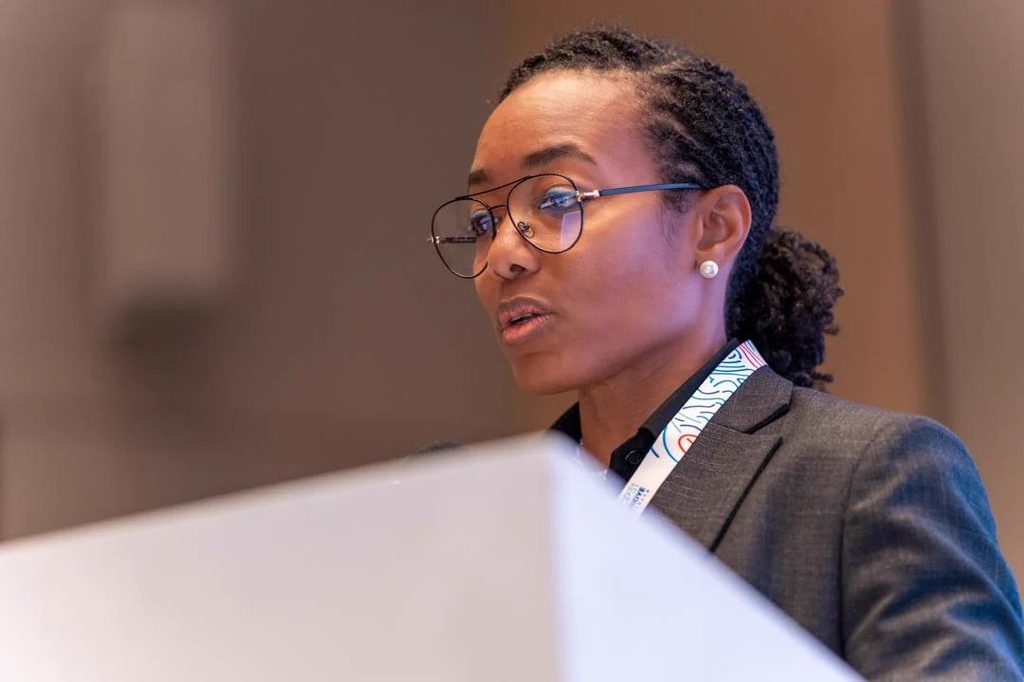
The minister said Africa is being asked to engage in a discussion on just transitions ‘‘that’s anything but just.’’
On Thursday, director of Power Shift Africa Mohamed Adow said Antalya will be ‘‘a ghost COP’’ if the draft stays as it is. ‘‘The summit will have nothing to show for what happened here,’’ Adow said, adding, ‘‘After the progress made in 2023 at COP28 in Dubai, where fossil fuels were mentioned for the first time, there is now no mention of the f-word at all.’’
The text also ‘‘downplays’’ developing country demands and concrete proposals on public finance that had been tabled at this COP. Africa and other climate-vulnerable regions have vowed that ‘‘the fight isn’t over.’’ By last evening, the African Group of Negotiators was planning to meet the COP31 Presidency to express their displeasure at the text.
Australia’s climate change minister and COP31 President of Negotiations, Chris Bowen, said consultations and negotiations will continue until a strong consensus is reached. This suggests willingness to push past the Friday, November 20 deadline. It’s not unusual for UN climate summits to run 24-48 hours past their official closing schedules to finalise compromise texts.
Every COP since 2018 (COP24, Katowice, Poland) has gone beyond its official shedule, with COP25 in Madrid Spain, in 2019 holding the record for the longest ever COP, having extended by 44 hours past the normal schedule owing to a dispute over carbon market rules. COP27 in Sharm-el-Sheikh is also notable for the deadlock to establish the Loss and Damage Fund, which extended the summit by 39 hours. Both COP28 and COP30 extended by a day.
How long is COP31 likely to extend for?
In a brief note sent to delegates Friday morning, the COP31 Presidency said it had received feedback from different Parties and blocs on the text and would ‘‘undertake further consultations’’ throughout the day before releasing the third draft.
Welcome to the 11th Day of our COP31 coverage. If you’re just joining us, it’s been at the summit in Antalya. There’s every indication this could be a night of long knives, with only hours remaining to the official end of negotiations.
A draft cover decision arrived late Thursday afternoon, the latest in a series released by the Presidency. Our team has been poring through the text to analyse its significance to Africa’s priorities and demands at this COP.
Director of Power Shift Africa Mohamed Adow said Antalya will be ‘‘a ghost COP’’ if the draft stays as it is. ‘‘The summit will have nothing to show for what happened here,’’ Adow says.
‘‘After the progress made in 2023 at COP28 in Dubai, where fossil fuels were mentioned for the first time, there is now no mention of the f-word at all.’’
—Mohamed Adow, Director, Power Shift Africa
He said that COP31 has been muzzled on the most important threat causing the climate crisis. ‘‘This new text has gone backwards from the one released earlier in the week. It’s as if these negotiations in Antalya haven’t actually happened. All the new text does is underscore previous decisions and establish further ‘dialogues’.’’
‘‘On adaptation finance, this text does nothing but reiterate what we had in Belém last year. After 12 months, in which we’ve seen terrible climate impacts from Nepal to Mozambique, countries cannot move forward even an inch,’’ Adow adds.
Climate Advisor at Power Shift Africa, Saada Mohamed, dismissed the draft text on the Climate Finance Work Programme as merely a procedural outcome lacking a substantive decision on public finance under Article 9.1. Instead, it only affirms the focus on Article 9 (including private finance). Ms Mohamed fears that its weak modalities and outputs will turn this crucial work programme into a talk show.
‘‘This text downplays developing country demands and concrete proposals on public finance tabled at this COP. This fight isn’t over.’’
—Saada Mohamed, Climate Finance Advisor, Power Shift Africa
We are getting more reactions to the draft text.
On tripling adaptation finance, the text doesn’t mention a baseline.
The AGN has said that the text neither adequately reflects its positions nor captures the principles of equity or the provisions of the UNFCCC and Paris Agreement. ‘‘The draft decision is disproportionately focused on mitigation, with insufficient attention to adaptation,’’ the AGN said, adding that the draft decision lacked a clear call for developed countries to provide climate finance.
The negotiators also faulted vague language in the text, warning that it risked contradicting the agreed principles and provisions of the Convention and Paris Agreement. ‘‘The decision must restore balance between mitigation and adaptation, reinforce equity and ensure that developed countries’ financial obligations are adequately reflected.’’
By Thursday evening, the AGN was planning to meet with the COP31 Presidency to express its displeasure with the text.
Panama to COP31 Presidency: we’ll block a defective summit deal
In an open letter to Turkey and Australia on Thursday, Panama’s Environment Minister Juan Carlos Navarro declared that his country would withhold consensus and formally block any final summit agreement that didn’t meet its eight core demands. Navarro argued that while delegates delivered ‘‘beautiful speeches’’ and ‘‘endless oratory’’, the planet was being destroyed. He bluntly said that while the world had already breached the 1.5°C warming threshold, nations are still expanding oil production while offering empty rhetoric on emissions cuts.
Responding to the draft text on Thursday, the Central American country warned it won’t endorse a ‘‘complacent’’ text with ‘‘ineffective language’’. Panama wants a deal that addresses fossil fuels and methane, the gap between current emission trajectories and the 1.5°C limit, and finance and governance, threatening to formally object in the closing plenaries to any resolution that omits these issues.
As we mentioned in our updates on Wednesday, most issues remain unresolved as Parties struggle to find common ground as the clock ticks to the finish line. Last night, COP31 President Murat Kurum hosted ministers for a divan, an informal Ottoman-style gathering, where they are said to have spoken openly and frankly, with significant gains made. Whether the gains are enough for a deal in Antalya remains to be seen. What is clear for now, though, is that these talks are a long way from a consensus.
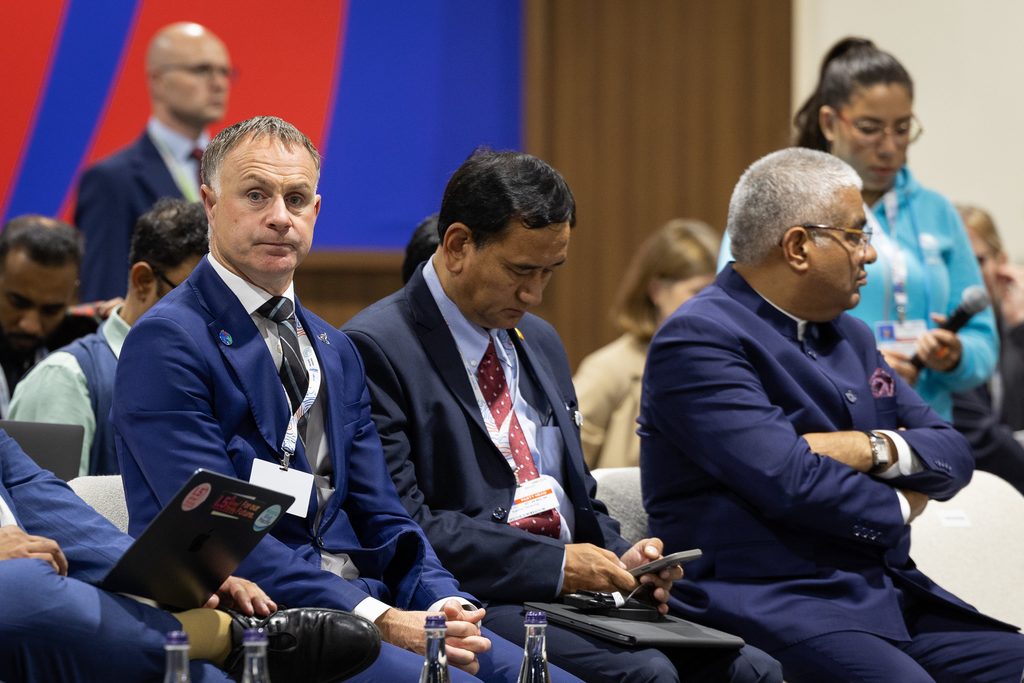
The next few hours at COP31 will be crucial for climate finance, just transition, adaptation finance, and a plan to transition away from fossil fuels. Monday’s draft text drove a wedge between developed and developing country Parties, with sharp differences over language on transitioning away from fossil fuels and temperature overshoot past 1.5°C.
Panama minister: world is held hostage by ‘‘petroleum mafia’’
On Wednesday, Panama’s environment minister Juan Carlos Navarro criticised COP31 for the stalled negotiations on curbing oil, gas, and coal, blaming it on the world’s addiction to fossil fuels. Navarro said the world seems unable to break free from the trap because ‘‘we’re in love with our kidnappers.’’ Panama is among 30 others that have signed up for a Fossil Fuel Treaty, alongside Vanuatu, Tuvalu, Fiji, and Guatemala. The proposed treaty seeks to halt new fossil fuel expansion, coordinate an equitable phaseout, and secure financing and debt relief for developing economies.
Global Climate Action Agenda Electrification Delivery Package
The COP31 Presidency has launched an electrification deal at COP31, saying it will ‘‘deliver billions in clean energy investment, expand electricity access and electrify new sectors.’’ Turkey’s ‘‘35 by 35’’ global electrification pledge anchors the package and spans power grids, transport, buildings, industry, and finance.
The Presidency says the package is a first milestone, not the finish line. ‘‘It does not yet deliver everything that is needed to electrify at the pace the Paris Agreement requires.’’ The package unites governments, municipal networks, and corporate coalitions representing over two-thirds of global GDP and $4 trillion in annual corporate revenue. More than 150 countries, 37 cities, and 260 businesses across 6 continents are backing the package.
Notably, the deal relies on self-reported progress and voluntary pledges rather than binding treaty obligations or enforceable compliance mechanisms. It also consolidates existing and newly profiled announcements, targets, and voluntary actions across different timelines. While it acknowledges that current actions fall short of the pace required by the Paris Agreement, it says implementation gaps will be addressed from 2027.
Today, more than 655 million people worldwide lack access to electricity, according to the International Energy Agency (IEA). More than 600 million of those are in Sub-Saharan Africa. Will the package deliver power for these people?
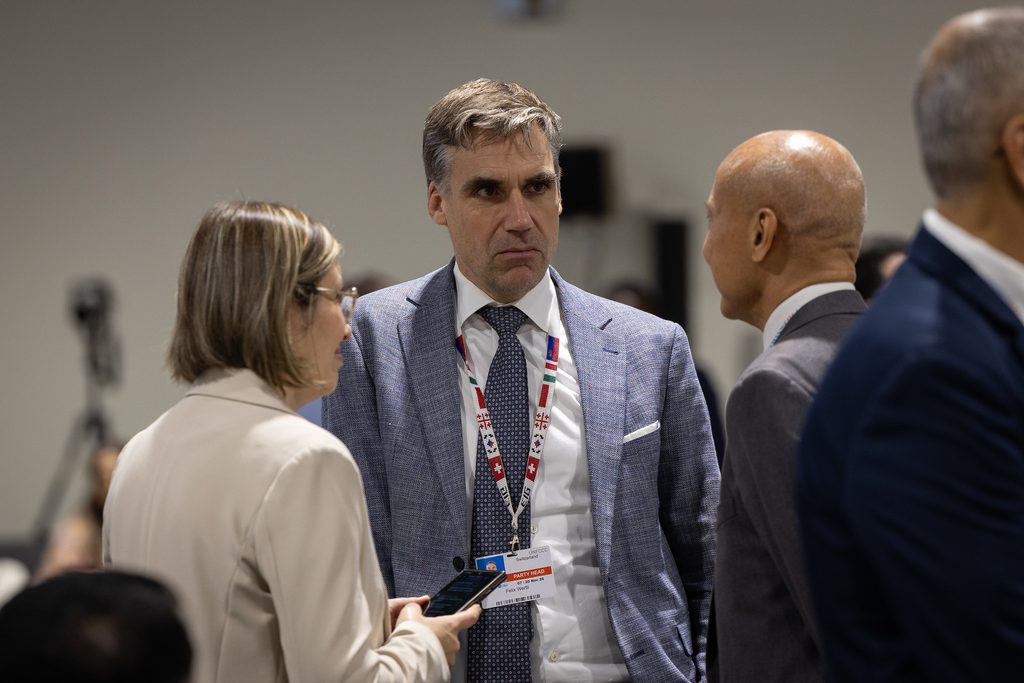
Director of Power Shift Africa Mohamed Adow says electrification must provide universal access to reliable, affordable electricity while using renewable energy to drive economic development.
‘‘That means electricity for factories, irrigation, food processing, hospitals and schools. It means creating jobs, strengthening African manufacturing, and reducing dependence on imported fossil fuels.’’
—Mohamed Adow, Director, Power Shift Africa
IEA estimates that attaining the electrification ambition at this scale will require more than $1 trillion in additional annual investment in electric technologies across transport, buildings and industry.
For Adow, a target that increases electricity consumption without reducing fossil fuel dependence is not enough. ‘‘A global electrification revolution that leaves Africa behind cannot be called a success.’’
Press Conference: African Group of Negotiators
The Chair of the African Group of Negotiators on Climate Change (AGN), Nana Dr. Antwi-Boasiako Amoah, has called for a presser later today that could provide a glimpse into where things stand behind closed doors and how they are likely to end. A media advisory sent out on Thursday says the AGN Chair will update on the state of negotiations and provide an overview of key developments in Antalya ‘‘in relation to Africa’s priorities and the Group’s expectations’’ as the summit nears its conclusion.
‘‘Our interest is to advance the conversation of Article 9.1, which talks about the provision of climate finance, and that’s the reason why we are pushing for the adoption of the work programme as part of the agenda,’’ Dr Antwi said earlier.
Keep it here for updates.
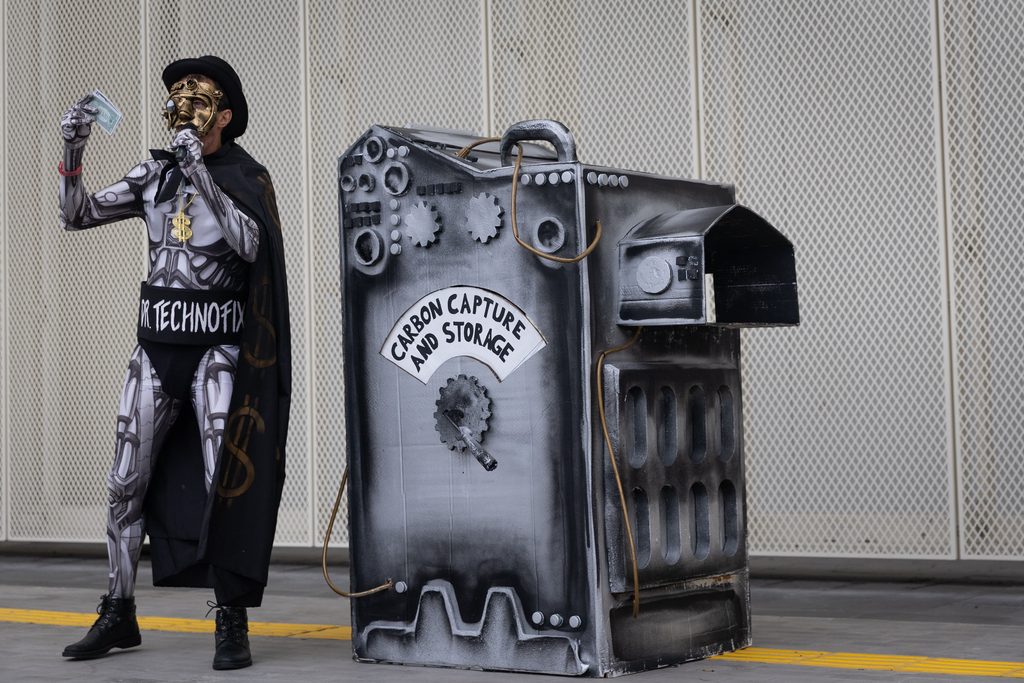
An implementation COP without money?
Antalya is the second conference to be framed as an “implementation COP” after Belém’s COP30. While Parties broadly welcomed the shift from negotiations to implementation, divergences persist over the meaning of implementation and the financial responsibilities required to deliver it. For climate-vulnerable countries, the message was unequivocal: implementation cannot succeed without developed countries delivering predictable finance, technology transfer, and capacity-building support in a timely and effective manner.
The Climate Finance Advisor at Power Shift Africa, Saada Mohamed, says breaking this deadlock to deliver concrete outcomes on adaptation finance will be the real test of Antalya’s commitment to, and legacy as, an implementation COP.
But as COP31 concludes, deep political divisions in the negotiating rooms continue to threaten meaningful outcomes on public finance, accountability, and the future of the Adaptation Fund, which has a project pipeline demand of US$1.9-US$2.9 billion against available grant resources of only US$455-US$550 million.
In the latest round of pledges in Antalya, major economies US, UK, Canada, France, Italy, and Australia made no new contributions.
Says Ms Mohamed: ‘‘The Fund faces chronic resource constraints and an unresolved institutional transition. This funding shortfall has been worsened by the Fund’s failure to meet its annual resource mobilisation target of at least $300 million for four consecutive years.’’
‘‘Without rapid and scaled-up delivery of finance, the so-called implementation era remains mere rhetoric that disconnects the COP ambitions and lived climate realities.’’
—Saada Mohamed, Climate Finance Advisor, Power Shift Africa
Power Shift Africa in the news
As things hot up at COP31 in the final stretch, Power Shift Africa continues to provide analyses of discussions at the summit through the media, underscoring the organisation’s premier thought leadership on climate justice.
“The absence of the U.S. government at COP31 is deeply disappointing, but the presence of so many American leaders shows that Trump doesn’t speak for the whole country. Climate change won’t wait for the next American election and neither can we.”
Mohamed Adow, Director, on the US’s absence at COP31
“The [energy] conversation must move to access. Where is access? And is that access enabling people’s livelihoods? This energy must not be profit. It must benefit people.”
Meshack Mboya, Legal and Advocacy Advisor, on the electrification goal.
‘‘Africa doesn’t want COP31 to recognise its vulnerability to climate. That fact is indisputable. What we must do is negotiate as a rights holder and a solution provider. After all, our continent supplies the minerals for clean energy and provides adaptation labour. We have the leverage, and our participation at this COP is priced accordingly. The climate bill for the industrialised world is overdue, and Africa will post it in Antalya.’’
Amoa Wemanya, Senior Climate Advisor, on Africa’s approach to COP31
“This crisis has exposed the price of fossil fuel dependence,” said Mohamed Adow, director of Power Shift Africa. “It’s crazy that a conflict thousands of miles away can send energy bills soaring at home.”
Mohamed Adow, Director, on the global energy shock caused by Iran war
Welcome to the 10th day of our COP31 coverage. We are halfway through the second week, and that means this climate summit is fast approaching its conclusion. It also means there is intense pressure to conclude agenda items that are still up in the air. And those are many. In a note to heads of delegation on Weednesday morning, the COP31 Presidency acknowledged that up to 21 mandated items remain unresolved as time runs out.
‘‘We need to intensify our efforts, bridge remaining differences, and finalize draft text,’’ the Presidency appealed.
‘‘We ask you to act with the urgency the climate response requires to complete our work here in Antalya with consensus outcomes across all items. Please encourage your delegations to accelerate the pace of work.’’
Unresolved issues include just transition, adaptation, finance, mitigation, and response measures. Turkey and Australia now say that ‘‘political engagement’’ is key to end the impasse and secure a deal. They, however, expect the Parties to iron out their differences today.
COP31 Divan and use of traditional terms
The Presidency is convening what it calls a Divan today, bringing together Parties to build consensus. The Divan is an informal high-level ministerial gathering seeking political compromises on deadlocked issues. In Ottoman history, a divan served as an imperial council or assembly.
Ministers, heads of delegation, chairs of negotiating groups, and a representative of each NGO constituency will participate in the session chaired by the COP31 President.
Today’s divan will focus on bridging differences in five core areas: climate finance, mitigation and fossil fuels, adaptation and indicators, just transition among workers, and oceans. Participants are expected to discuss one question:
How can COP31 send signals and capture a clear plan of action which meets the moment, while respecting national circumstances and priorities?
This isn’t the first time a host country is drawing from its traditions to bring others together. Hosting nations frequently adopt local terms for major consensus-building forums at UN climate summits. At COP17 in Durban, South Africa used the Zulu and Xhosa term ‘‘Indaba’’, which refers to an important council or gathering called by community leaders, elders, or chiefs. At COP30 in Belém, Brazil went for ‘‘Mutirão’’, a Portuguese word of Indigenous Tupi-Guarani origin that translates to collective effort, joint action, or community task force, hence the Mutirão decision.
Launch of the second Global Stocktake (GST2)
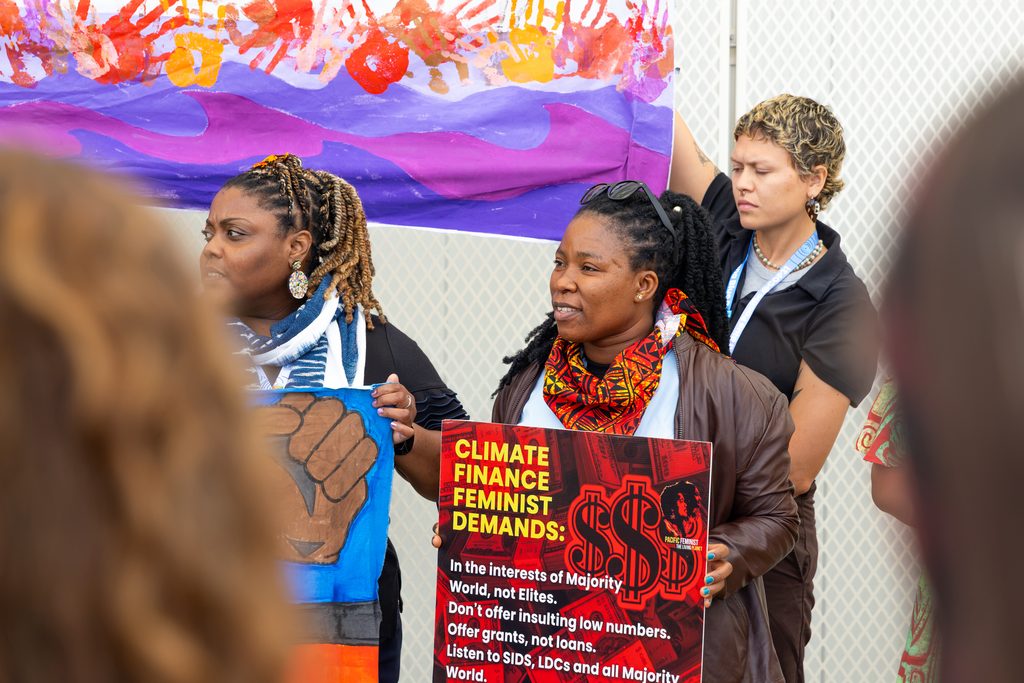
The second Global Stocktake (GST2) will be launched today at a high-level ministerial event at COP31, marking the formal start of the process expected to conclude at COP33 in 2028. After the launch, the GST2 will begin collecting information drawing from countries’ first Biennial Transparency Reports, with the technical assessment starting in 2027.
The GST is a periodic review mechanism that assesses the world’s collective progress toward achieving long-term climate goals of the Paris Agreement. It is established under Article 14 of the Paris Agreement and occurs in five-year cycles. The first-ever GST concluded at COP28 in 2023.
Today’s event will provide a platform for ‘‘a facilitative discussion’’ to build mutual understanding and is an opportunity for ministers and other senior representatives to reflect on the process. UNFCCC says the meeting will discuss ways to ‘‘deliver a comprehensive, inclusive, and facilitative assessment of collective progress, in the light of equity and the best available science, to ensure it is a process which can deliver for every region.’’
Adaptation Fund High-Level Contributor Dialogue
This dialogue on Tuesday, November 17, at COP31 fell grossly short of expectations, with only EUR 51 million in new finance pledged. Major donor countries Germany, Ireland, and Spain pledged EUR 41 million. Many regard Germany’s EUR 10 million contribution as significantly lower than its previous annual baseline of EUR 60 million. This left climate-vulnerable countries with a bitter aftertaste and concerned about developed countries’ willingness to support them in coping with climate impacts.
The total raised is lower than last year’s US$ 135 million pledged at COP30 in Brazil, against an annual target of US$ 300 million. The Fund has now missed its annual fundraising target for the third year running and faces a record demand of US$ 1.3 billion in project proposals. By 2030, developing countries’ needs are estimated to hit US$ 387 billion per year.
The dialogue took place amid polarised negotiations over the broader climate finance text, with countries deadlocked over delivery plans to triple adaptation finance to at least US$ 120 billion. Civil society groups and vulnerable nations have warned that the modest, lower-than-usual pledges do not provide the confidence or scale needed to address escalating climate impacts. They want fast, predictable, and grant-based finance to protect frontline communities.
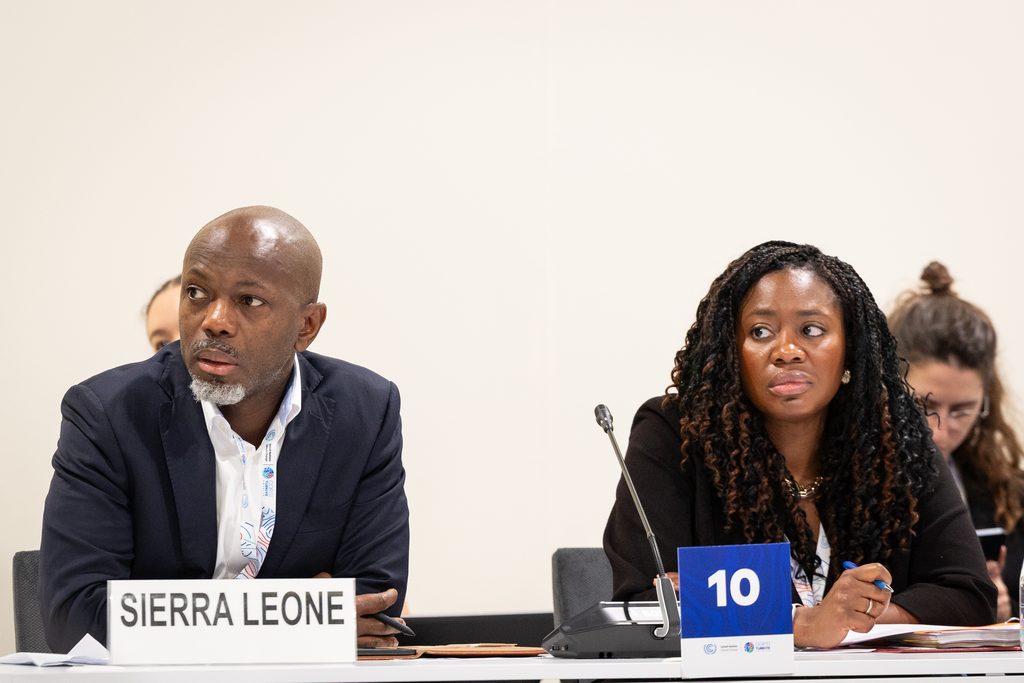
Senior Climate Advisor at Power Shift Africa, Amos Wemanya, attended last night’s dialogue and described the proceedings as ‘‘nothing short of shameful.’’ He noted that while the Fund was described as indispensable, many didn’t rise to the occasion to put money on the table. They retreated when the bill arrived.
‘‘In negotiating rooms, wealthy countries promise to triple adaptation finance. But when asked to honour those promises, they turn their backs on the communities. The hypocrisy is breathtaking.’’
—Amos Wemanya, Senior Climate Advisor, Power Shift Africa
History, Wemanya added, will remember who paid their fair share and who walked away from climate-devastated communities.
Speaking to journalists in Antalya on Wednesday, Director of Power Shift Africa, Mohamed Adow, said developed country ministers must stop applauding the Fund with one hand while starving it with the other.
“Rich countries are offering crumbs to the Adaptation Fund while blocking the negotiations that should provide the money countries need, and the EU’s role in this obstruction is undermining its claim to climate leadership,’’ Adow said, calling in them to end the blockade on climate finance.
At the same time, Adow urged the ministers to resist the pressure to rush through an agreement that leaves funding questions unanswered.
“If the EU and other wealthy countries want an outcome that means something to the people depending on these talks, they must withdraw their objections and put money on the table.”
—Mohamed Adow, Director, Power Shift Africa
Fossil of the day goes to…Norway
Looking at its aggressive domestic clean energy policies, high adoption of green technology at home, and international environmental funding, it’s easy to think Norway is a climate leader. For a country where nearly all domestic electricity is generated through clean, renewable hydropower and leads the world in zero-emission transportation, the Nordic country has a strong claim. Here, the government heavily subsidises clean transport to push electric vehicle sales to nearly 100 percent. Norway was also one of the first nations to introduce a carbon tax in the early 1990s to penalise domestic greenhouse gas emissions. Impressive, isn’t it?
Until you look closely.
Norway projects a clean-energy image globally but remains a major oil and gas exporter.The county supports offshore oil and gas drilling, especially in the Arctic, despite legal and environmental pressures. Norway has also been blocking substantive financial and phaseout accountability. At COP31, Norway, together with the European Union and Switzerland, has pushed back against binding, scaled-up public climate finance commitments for the Global South.
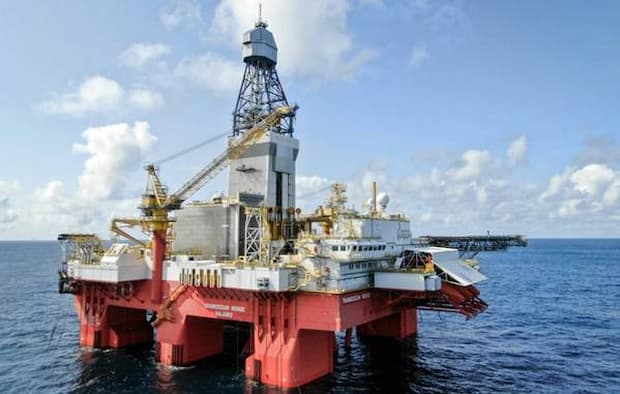
The country favours weaker language and other options that evade accountability. It’s also one of the countries that have resisted firm commitments to triple adaptation finance. The largest oil and gas producer in Western Europe, Norway’s exported emissions vastly outweigh its domestic emissions. The annual combustion of exported Norwegian oil and gas is roughly 500 million tonnes, with its domestic greenhouse gas emissions at about 49 million tonnes of carbon dioxide.
Its ‘fossil of the day’ prize is more than deserved.
What’s Africa asking for at this COP?
Africa’s demands cover nine core areas, as summarised below.
Climate Adaptation and Resilience
Africa seeks to implement the target of tripling adaptation finance by 2035, operationalise the Belém Adaptation Indicators with strong regional representation, and secure predictable, grant-based support for National Adaptation Plans. Africa also wants COP31 to prioritise smallholder farmers and frontline communities by safeguarding their agriculture and food security while turning loss and damage structures into rapid, direct funding to frontline communities.
Finance climatique
Africa wants Antalya to treat Article 9.1 obligations as legal mandates rather than voluntary or recycled pledges. On this obligation, public finance must be the foundation. Finance must be grants-based, highly concessional, and accessible. Additionally, Africa also wants key channels like the Adaptation Fund, Green Climate Fund, and the Fund for Responding to Loss and Damage to have robust, predictable replenishment.
Just Transitions and Electrification
One of the wins at COP30, just transitions at COP31 must advance energy access, promote industrialisation, and decent work. The continent wants the Just Transition Mechanism and Work Programme to move toward effective implementation. Equally, Africa is pushing for electrification to target universal energy access and productive uses and green industrialisation that enables Africa to manufacture technologies and add local value to transition minerals.
READ: COP31’s electrification goal risks missing the point
Mitigation and Transition from Fossi Fuels
Africa wants the Mitigation Work Programme to remain facilitative and non-prescriptive, prioritising energy access, grids, storage, and clean cooking. The transition away from fossil fuels must also be just and orderly, address economic diversification and fiscal dependence rather than supply in isolation.
Technology, Transparency, and Trade
Technology transfer, Africa demands, must encompass co-development, manufacturing capabilities, and intellectual property flexibilities. Transparency support must be treated as a standing obligation, and trade measures (such as CBAMs) must not restrict Africa’s industrial policy space or shift climate action costs onto developing economies.
READ: Africa’s COP31 Priorities
How climate denialism is manifesting at COP31
At COP31 in Antalya, Turkey, climate scepticism and denialism are on full display. Here, they are no longer about science and evidence of climate change.
They are manifesting in rich polluter countries acknowledging the gravity of climate change while stubbornly refusing to resource the Adaptation Fund. It’s also manifesting when they reject responsibility to provide reparative finance as required under Article 9.1 of the Paris Agreement and blatantly railroad all money matters to finance negotiations. Doing so detaches money from the very issues that need it.
Pushing for a greater role of private sector financing for climate action is an act of climate denialism. It’s to deny that climate change isn’t a venture from which to derive profits. It is to shirk responsibilities spelled out in the Paris Agreement.
‘‘That wealthy nations are pushing us toward private finance with no global safeguards to protect the sacredness of public finance in climate action is abhorrent.’’
—Fredrick Otieno, Project Associate, Power Shift Africa
Welcome to the 9th day of our COP31 coverage.
The next few days are critical for the summit as ministers work through major sticking points, including climate finance contributions, support for vulnerable nations, labour protections during the energy transition, and concrete language around transitioning away from fossil fuels. Some of the technical issues have been resolved. The political work is only starting. Yesterday, Australia, which is co-hosting the summit and leading negotiations, circulated a first draft of the overarching decision. This will serve as the baseline for high-level political compromises through the week. It won’t be easy, but we will keep following it all and breaking it down for you.
We start off with some exciting news.
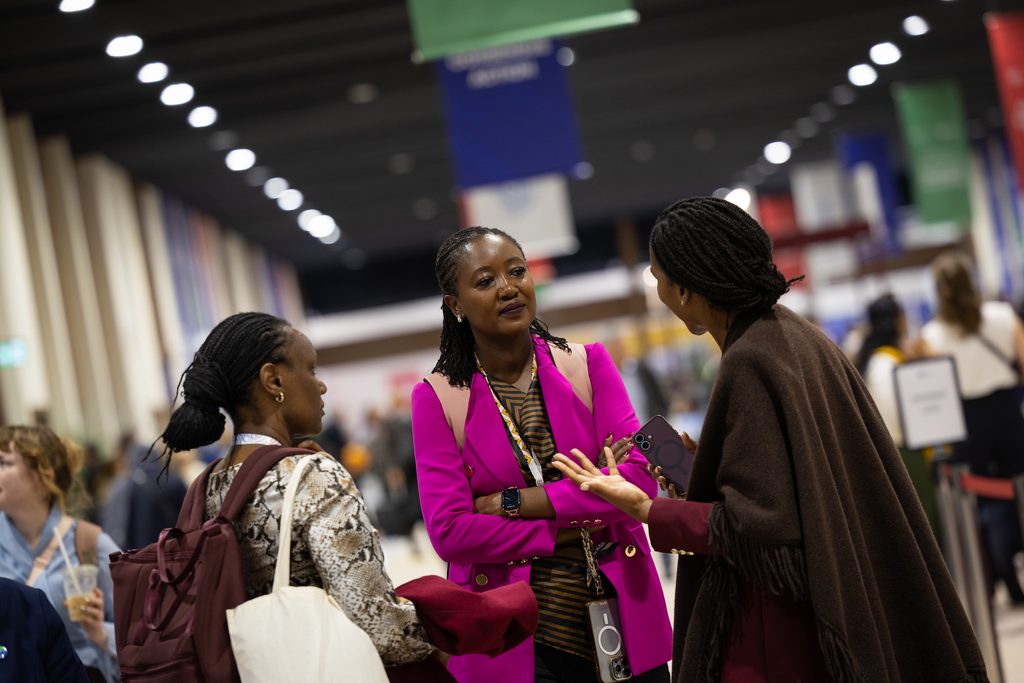
The second edition of The COP31 Chronicle is out
Welcome to the second edition of The COP31 Chronicle. Published in Antalya by Power Shift Africa, this issue dissects outcomes from the first week of the high-stakes climate negotiations at the climate summit in Turkey, scrutinising the ‘‘35 by 35’’ electrification pledge, exposing the glaring gap between wealthy nations’ unfulfilled climate finance promises amid soaring military budgets, and deadlocks over various negotiation tracks, including adaptation funding, fossil fuel phase-out roadmaps, and the Belém-Antalya Mechanism for a Just Transition. It blends sharp policy analysis with lighter dispatches from the summit corridors as our experts follow the proceedings to bring you insights and analyses from the summit.
READ: The COP31 Chronicle – 2nd Edition
Draft decision continues to divide opinion
Pressure is growing on the draft circulated Monday evening by the COP31 Presidency, with reactions coming from across the board. Delegates are debating and subjecting the draft deal to scrutiny, with friction over calls for accelerated timelines to phase out fossil fuels and proposals to adopt carbon removal technologies. The call to triple adaptation finance to at least USD 120 billion has pacified some. Not others. Meanwhile, campaign groups are calling out co-host Australia over domestic coal and gas approvals. During a session on Monday, Australian negotiations president Chris Bowen declined to commit his country to a coal or gas export phase-out. Instead, he argued that exporters carry no greater responsibility than fossil fuel importers.
Alas, the audacity.
Expect more friction as different groups engage the draft.
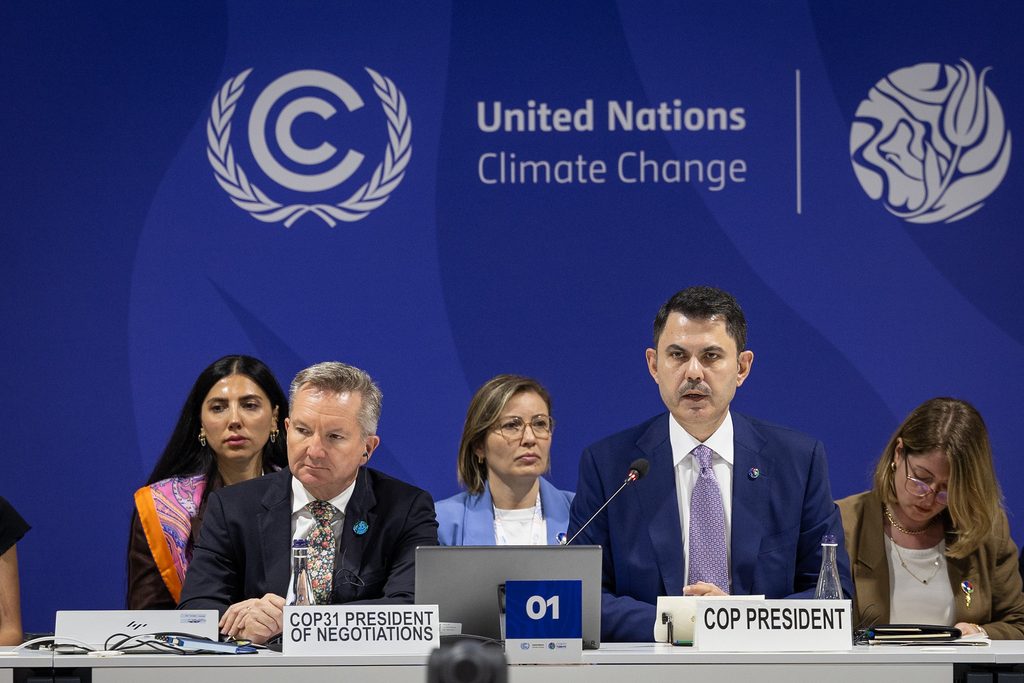
What is happening today
Climate finance negotiations continue today, with developing nations and civil society groups pushing back against rich countries attempting to water down commitments, narrow the scope of the Climate Finance Work Programme, or offer vague exchanges instead of actionable financial targets. The debate is more intense, particularly over public and private finance and how to make the New Collective Quantified Goal operational. The NCQG was established in Baku with developed countries pledging to contribute US $300 billion annually by 2035. In Antalya, African negotiators have continued to press wealthy nations for clarity on baseline years and whether funds will be grants or loans. They insist that COP31 cannot blur the public provision under Article 9 with wider private finance flows.
Fossil fuels and subsidies
Fossil fuels are a major conversation and one of the most intense debates at COP31 as countries push to turn the broad 2023 commitment at COP28 to ‘‘transition away from fossil fuels’’ into concrete, binding action. Negotiators are also evaluating a global fossil fuel transition roadmap that Brazil launched earlier this month. Subsidies are a big topic too. At the centre of this debate is the argument that public money should no longer support industries driving climate change. In the roadmap, Brazil proposes that countries phase out fossil-fuel subsidies. Campaigners agree.
Data from the International Institute of Sustainable Development (IISD) shows that fossil fuel subsidies reached US $921.2 billion in 2024. At the same time, the International Monetary Fund (IMF) estimates show that hidden social and environmental costs, such as air pollution and climate damage, underprice fossil fuel subsidies by up to US $6.7 trillion annually.
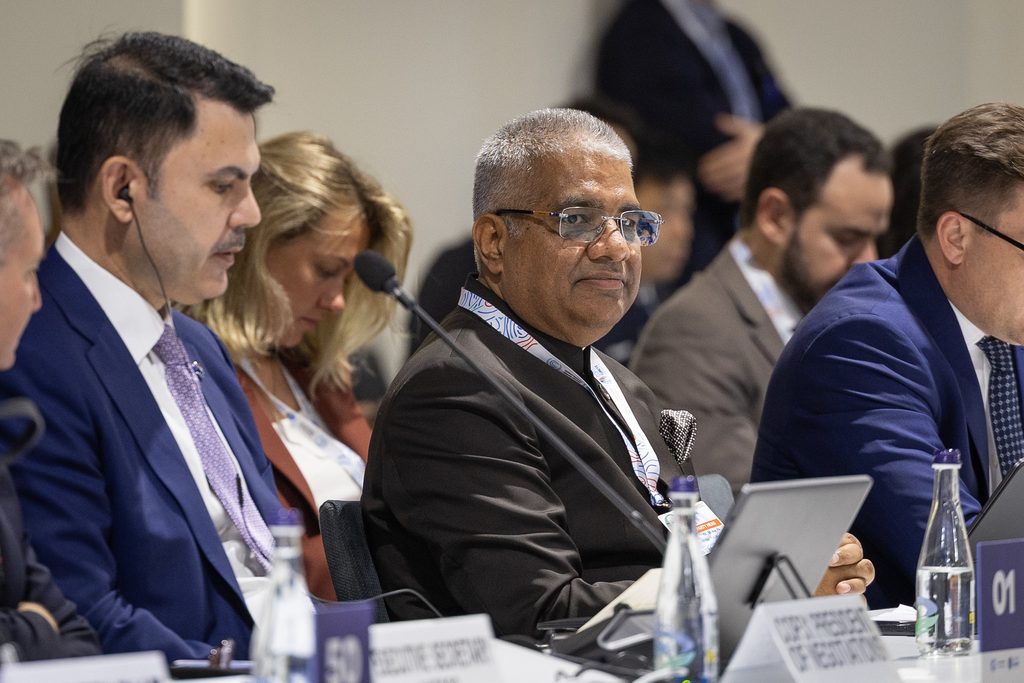
This COP has laid bare deep tensions between ambitious voluntary targets and roadmaps such as Brazil’s, continued domestic fossil-fuel expansion, and persistent stalemates on climate finance. Still, some developing countries argue that redirecting hundreds of billions in public money away from oil, gas, and coal companies can free up trillions of dollars needed for climate finance, adaptation, and the Loss and Damage Fund, so desperately needed by climate-vulnerable nations.
The Coalition of Finance Ministers for Climate Action / Friends of Fossil Fuel Subsidy Reform (COFFIS Initiative), with more than 17 member countries, is pushing for national subsidy inventories and concrete phase-out action plans at this COP.
Yesterday, COP31 co-host Australia was awarded the unwanted ‘‘Fossil of the Day’’ prize by Climate Action Network (CAN International) for presiding over climate negotiations while continuing to approve coal and gas projects. Since taking office in May 2022, the Australian government of MP Anthony Albanese has given the green light to more than new or expanded coal, oil, and gas projects. The administration also maintains considerable fossil fuel subsidies, estimated at 16.3bn Australian dollars this year alone. Its climate finance offerings are only a fraction of this.
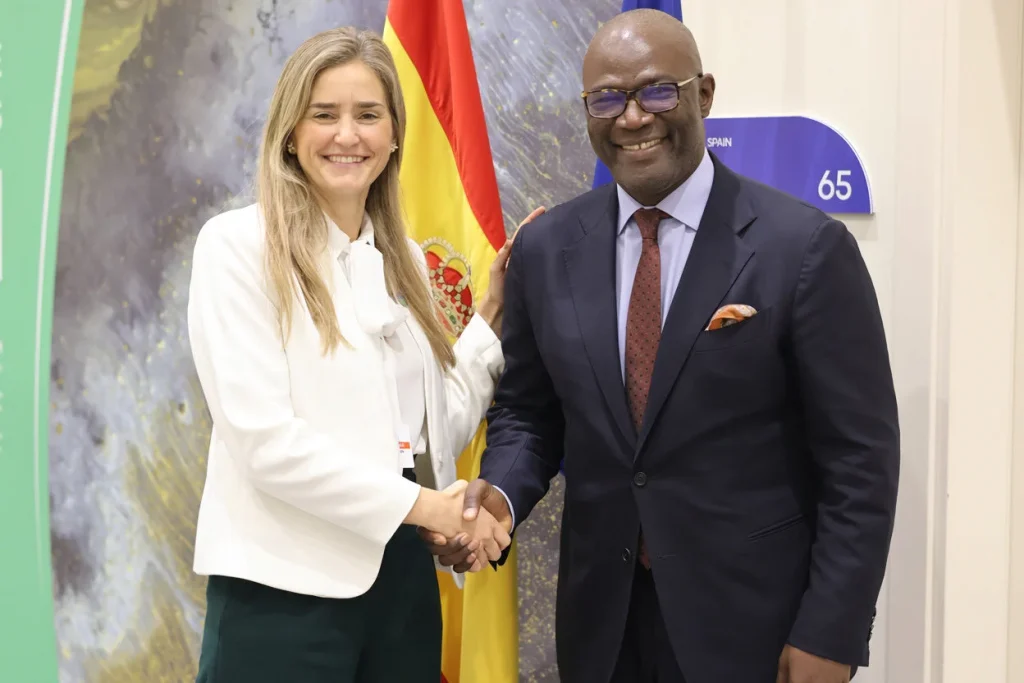
Loss and Damage Fund, Spain’s EUR 15 million pledge
The Fund for Responding to Loss and Damage (FRLD) faces a major tension between urgent demand and severe undercapitalisation, alongside new pushback from developing nations regarding speed and direct access. Days before COP31 in October, the FRLD board approved its first exceptional allocation of $21.6 million for Nepal for recovery and reconstruction following the devastating August flash floods that killed hundreds and displaced thousands in the Asian country. The FRLD is among the five major funds that have convened special side events at COP31 to coordinate disaster risk financing, pre-arranged insurance, and social protection systems.
In Antalya, African negotiators and civil society groups are pressing for an overhaul of eligibility rules for the fund, arguing that rigid national borders fail to capture sub-national or cross-border climate disasters. They want frontline communities to have direct access to funds rather than having all resources disbursed through national governments. In its cover decision, the COP31 presidency reaffirms a push to define pathways to at least triple annual climate fund outflows by 2030 and calls on developed nations to announce ambitious new pledges to the FRLD by the end of 2027.
The loss and damage fund was agreed at COP27 in 2022 to help developing countries cope with losses and damages arising from climate change impacts. At COP28 a year later, US $770.6 million was pledged. Only a fraction of this has been received, with US $250 million set aside in 2025 for payment to countries, against trillions of dollars in economic loss and damage per year.
On Tuesday, Spain pledged EUR 15 million to the Loss and Damage Fund, as part of its EUR 45 million climate finance package that also includes EUR 25 million for the Adaptation Fund and EUR 5 million for the World Meteorological Organisation’s Systematic Observations Financing Facility.
Welcome to the first day of the final week of COP31.
If you are just joining us, it’s been an interesting day at COP31. We are now halfway through the climate summit in Antalya and today marked the beginning of the most consequential days of this COP. Week One ended without any major breakthroughs on emission reductions and with Parties deadlocked on climate finance, leaving ministers with a mountain to climb this week. Thank you for coming this far with us.
Stick with us in this final push for more updates and analyses.
After last week’s conclusion of the technical phase, COP31 President Murat Kurum and Negotiations President Chris Bowen shifted the summit into its final political phase, establishing four negotiating tracks and pairing ministers to break deadlocks on adaptation, climate finance, mitigation, just transition, and ocean issues. With the summit now entering the most critical phase, sharp divisions remain over the climate finance work programme and the Just Transition Mechanism, with some countries and campaigners warning that disputes could derail the summit.
New draft cover decision
On Monday, November 16, 2026, the joint COP31 Presidency published an 18-page draft cover decision, outlining an initial set of contested political proposals focused on fossil fuels, climate finance, adaptation and renewable energy targets. Like last week’s draft, the text is an inclusive starting point rather than a consensus agreement. Co-Presidency Australia acknowledged that several elements in the draft are likely to face steep resistance from individual nations before any final agreement is reached.
What the draft says
On fossil fuels, the draft cover decision calls for accelerated action to phase out fossil fuels, including an immediate transition away from fossil fuels in energy systems and the phase-out of inefficient fossil fuel subsidies. The draft also urges developed countries to triple annual adaptation finance for developing nations to at least $120 billion by 2035, while balancing adaptation and mitigation finance within the broader goal of mobilising at least $300 billion annually, as per the NCQG decision of COP29. The draft also proposes tripling global renewable energy capacity, doubling energy efficiency improvement rates by 2030, and raising electricity’s share of total final energy consumption to 35 percent by 2035, a target backed by host Turkey. In this draft decision, the joint presidency calls on nations to reduce methane emissions.
Antalya-to-Addis Ababa Roadmap on Adaptation and Resilience Finance
This proposed initiative aims to identify predictable and expanded funding sources, specifically dedicated to climate adaptation and climate-related loss and damage in developing countries. The proposal is tied to broader COP31 discussions calling for tripling annual adaptation finance for developing nations. According to the draft text, a formal report and progress review are to be considered at COP32 in 2027 in Ethiopia.
Temperature overshoot
The draft cover decision proposes a dedicated work programme to examine the science of temporarily exceeding the 1.5°C global warming threshold and bringing temperatures back down. It, however, welcomes the deployment of CDR and CCUS technologies as a mechanism to help reverse an overshoot of global heating, dismissed as a false solution by campaigners. The inclusion of overshoot and removal strategies is heavily contested among negotiating parties. Developing nations and Europe want stricter emission cuts while other blocs remain split on how or whether to formally operationalise an overshoot response.
Responding to the COP31 cover text, Director of Power Shift Africa described it as an overgrown garden. ‘‘There are lots of encouraging green shoots, but there are also a lot of weeds that need to be pulled out. Some serious gardening is required over the next few days,’’ Adow said.
On tripling adaptation finance, Adow said: ‘‘If that language remains in the final version, then it would suggest that countries are starting to listen to the needs of the vulnerable.’’
On using carbon removal technologies, Adow added: ‘‘These are being promoted by rich countries to allow them to avoid reducing their fossil fuel burning in the short term, which we know is the real solution to tackling the climate crisis.’’
He also called for clear mandates to ensure new electricity is powered by renewables, reaches those that really need it, and provides a mechanism for financing it. ‘‘Otherwise, this COP will be remembered for powering rich world luxuries while 600 million Africans are left in the dark.’’
Last week, the COP31 Presidency published a ‘‘Summary of Reflections’’ for the overarching cover decision, outlining items world nations want to see in the summit’s main political agreement. These include efforts to manage the temperature overshoot, commitments to transition away from fossil fuels, and an emphasis on tripling adaptation finance. Others are global electrification and clean energy and science timelines, particularly the role of the IPCC. These reflections do not constitute a draft and do not imply agreement on the issues.
READ: What the COP31 decision wish list is and isn’t
What’s happening this week?
After the highly technical phase of the COP in Week 1, we are moving into the ministerial phase of the summit. This is a high-stakes phase of the COP where pledges must become binding agreements. Unsettled issues from the first week move into this week, where ministers must resolve them.
This week, Parties must agree on climate finance and adaptation, particularly on tripling adaptation finance. Developing nations and African groups are pushing for major increases in long-term finance commitments. Specifically, they are demanding clarity and delivery mechanisms for adaptation funding beyond the current $300 billion annually baseline by 2035.
1.5°C overshoot and mitigation
Negotiators are wrestling with language in the overarching ‘‘cover decision’’ regarding how the world addresses a temporary 1.5°C temperature overshoot, deep emissions cuts, and the transition away from fossil fuels. That remains to be agreed. China, the United States and India, which produce more than half of global carbon dioxide emissions, did not attend last week’s World Leaders Climate Action Summit. While those present called for more action to contain emissions, they committed little.
Special agenda
Nepal and Bhutan are advancing a special agenda item on support for mountainous countries. The two want mountains to secure a permanent place in the UN climate talks. They specifically want a dedicated mountain work program with a defined scope, an annual high-level dialogue, and finance. Debate will continue this week over this specialised regional and thematic track, as will discussions on urban resilience and cooling frameworks amid floods and heat waves.
RECAP: UNSG Guterres’ final climate address
Outgoing UN Secretary-General António Guterres made his final address to a COP in his position, reminding world leaders that fossil fuels must go the way of dinosaurs, urging governments to impose windfall taxes on oil and gas companies to fund climate action.‘‘You cannot build peace on a burning planet,’’ Guterres told delegates at the climate talks last week, alluding to the UN’s mandate to keep global peace and security. On the temperature overshoot, the SG said the climate crisis ‘‘is outrunning humanity.’’
Age of electrification
Turkey’s COP31 Presidency continued to promote global electrification as part of its COP31 Action Agenda. Backed by an International Energy Agency (IEA) report, the presidency says electricity demand has grown more than twice as fast as overall energy use since 2019, driven by, among others, electric vehicles, heat pumps, air conditioning, and artificial intelligence. IEA executive director Fatih Birol noted that rapid electrification powered by renewables can help fuel-importing nations cut massive energy import bills and boost resilience against fossil fuel price shocks.
“Global energy demand is growing strongly, but global electricity demand is growing three times faster than total energy demand. And it is impossible to stop it. The [only] issue is making electricity affordable for people.”
—Fatih Birol, Executive Director, International Energy Agency
The world added 5000 gigawatts of renewable energy capacity in the last decade, with projections showing that this will grow more than double in the next decade to 12000 gigawatts.
Civil society farewell for Guterres
On Friday last week, civil society representatives from around the world gathered to mark António Guterres’ final COP as UN Secretary-General and honour his contribution to climate justice. The gathering was both a tribute to his leadership and a reminder that his successor must carry forward the same determination to defend climate science, challenge injustice and put people before profits.
Speaking at the farewell party, Power Shift Africa director Mohamed Adow described Guterres as a champion for the planet, a defender of the vulnerable, and the best climate spokesperson the world has had over the decade.
‘‘At a time when political leaders have been uncomfortable speaking uncomfortable truths, you have never been afraid to say what’s needed. You’ve called out the fossil fuel industry and challenged governments that expand oil, gas, and coal while claiming to be climate leaders.’’
— Mohamed Adow, Director, Power Shift Africa
Climate finance: deadlocked
The usual culprit. Throughout last week, developed and developing countries clashed over the means to finance climate action, with groups such as G77 and China demanding concrete pathways to meet broader finance targets, such as the $1.3 trillion annual goal by 2035, and specifically tripling adaptation to $120 billion annually. Meanwhile, the European Union pushed back on new public finance promises. Outgoing UN Secretary-General António Guterres noted that even tripling adaptation funds would still cover less than 30 percent of the actual needs.
Global Climate Lead at DanChurchAid Mattias Söderberg said ministers must now ‘‘bridge differences and deliver an agreement’’ that responds to the climate crisis/
“A promise to triple adaptation finance will not protect anyone until the money arrives. Wealthy countries must show how they will deliver—and make sure support reaches the people who need it.”
—Mattias Söderberg, Global Climate Lead at DanChurchAid.
READ: Week One in Adaptation at COP31
Today is rest day at COP31. Our daily blog will take a break and resume tomorrow, Monday, November 16, 2026. See you.
Welcome to Day 6 of our COP31 coverage.
We’re halfway through the summit, and now entering the most dramatic and consequential episode of the COP. Still, a long way to go.
On Saturday, the focus shifts to children and youth education, with emphasis on climate literacy and green skills. Sessions integrated climate science and sustainability into school curricula and educational systems to prepare young people for green jobs, clean energy transitions, and sustainable industries. These happened through student- and youth-led dialogues and side events hosted across various pavilions in the Blue Zone.
Some enlivening updates.
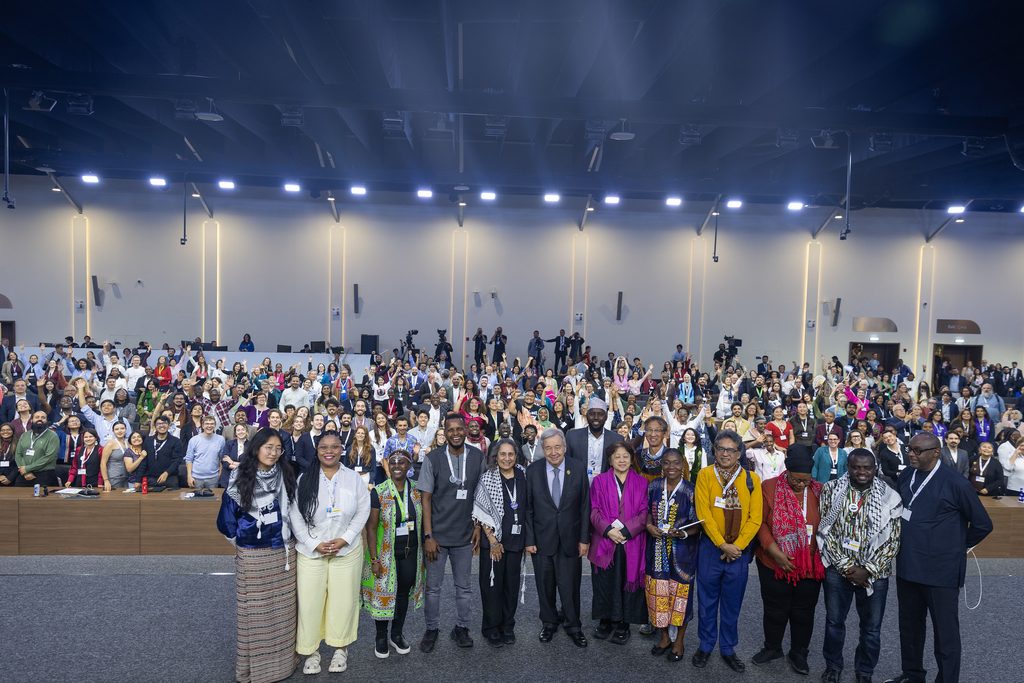
Guterres farewell
On Friday in Antalya, civil society representatives from around the world gathered to mark António Guterres’ final COP as UN Secretary-General and honour his contribution to climate justice. The gathering was both a tribute to his leadership and a reminder that his successor must carry forward the same determination to defend climate science, challenge injustice and put people before profits.
Speaking at the farewell party, Power Shift Africa director Mohamed Adow described Guterres as a champion for the planet, a defender of the vulnerable, and the best climate spokesperson the world has had over the decade.
‘‘At a time when political leaders have been uncomfortable speaking uncomfortable truths, you have never been afraid to say what’s needed. You’ve called out the fossil fuel industry and challenged governments that expand oil, gas, and coal while claiming to be climate leaders.’’
— Mohamed Adow, Director, Power Shift Africa
Guterres has made climate action one of the central priorities of his tenure. TIME named him in its 2026 list of influential climate leaders for consistently using his position to push for a global shift to renewable energy and keep the climate crisis on the international agenda. In his final remarks at a COP, Guterres warned that ‘‘the climate crisis is spinning dangerously out of control’’, stating that ‘‘you cannot build peace on a burning planet.’’
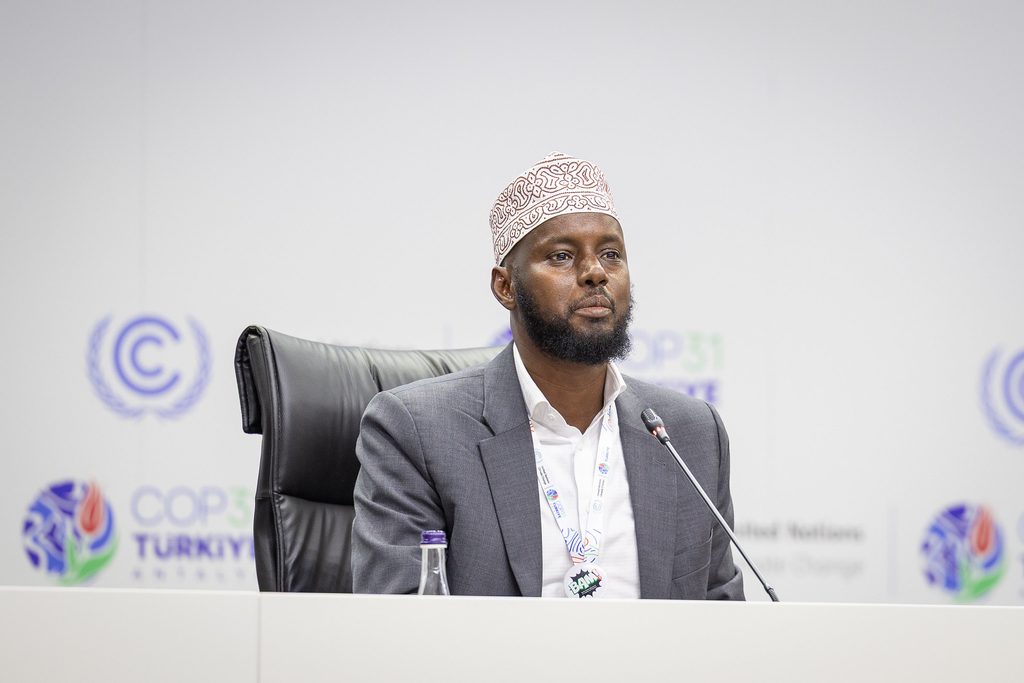
As Adow said, Guterres has earned his stripes as a defender of the world’s most climate-vulnerable people, for consistently calling on developed nations to mobilise finance to support those who are most impacted by climate change despite contributing the least to the crisis.
Antalya Climate Justice March
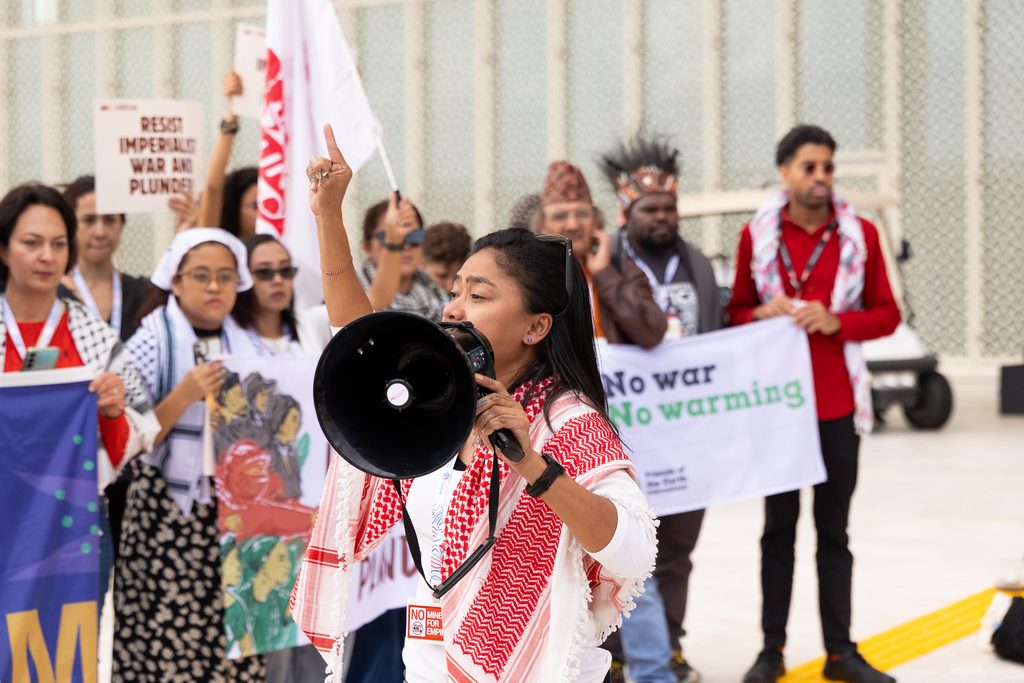
It was also the Global Day of Action at COP31. On Saturday afternoon, civil society organisations and climate justice activists from around the world staged a march against corporate power, ecological destruction, and fascism and war to build solidarity and peace. ‘‘Now is the time for real justice. Another world is possible, and we must build it together,’’ said the organisers of the march.
Why climate justice champions were marching
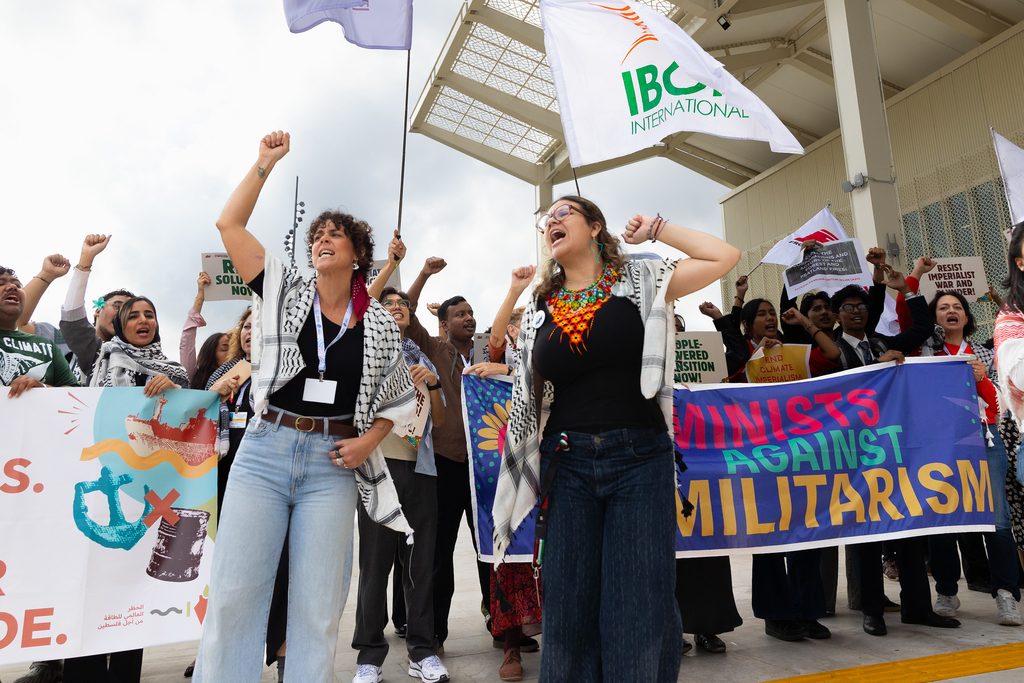
The march called for the end of war and militarisation, genocides in Palestine, Sudan, and the Congo, illegal occupation of sovereign countries, and military operations that sustain fossil fuel dependence. Similarly, the march demanded an end to fossil fuel expansion and withdrawal of licenses and permits. Participants called for an end to new finance for coal, oil, and gas. They also want all existing fossil fuel infrastructure to be phased out to align with the goals of keeping temperature rise below 1.5C.
End big agriculture, corporate capture of food systems
At the same time, the march called for a direct and just transition to 100 percent renewable energy, ‘‘with sufficient, affordable, and reliable access for all’’ that protects the rights of Indigenous Peoples, Afro-Descendants, and affected communities.
Activists also want the just transition to deliver public, non-debt-creating climate finance to the Global South and ensure that coal, oil, and gas corporations deliver full reparations for climate loss and damage. Civil society organisations also want an end to big agriculture. They are calling for the dismantling of feudal and corporate land and water monopolies and corporate capture of our food systems in the world. This march demanded full decarbonisation of food systems through agroecological land and water use and 100 percent renewable energy for food production, preparation, and processing.
Stop promoting false solutions
Climate justice movements globally want an end to environmental destruction and false climate solutions such as carbon markets and carbon offsets, carbon capture and storage, and geoengineering. They are protesting the commodification of land and nature. Meanwhile, they want those responsible for the destruction of nature to pay full reparations for climate harm and environmental destruction under international law, including the ICJ advisory opinion.
Battle over IPCC timeline
A fierce debate has been ongoing at COP31 over the schedule for the Intergovernmental Panel on Climate Change (IPCC) Seventh Assessment Report. The EU and some developing countries are pushing to align the report with upcoming policy milestones. They accuse some countries of undermining the world’s leading authority on global warming. Meanwhile, Saudi Arabia, China, and India are advocating to delay the assessment until 2029. They cite the need for meaningful participation by scientists and research institutions from developing countries, review overlaps, and capacity barriers in the Global South. An IPCC meeting in Addis Ababa, Ethiopia, in October ended without a final agreement owing to this deadlock.
Climate finance negotiations
Today, negotiations focused on the Adaptation Fund, a report of the Green Climate Fund (GCF), the Climate Finance Work Programme (CFWP), and Article 2.1 (c) of the Paris Agreement, which requires making ‘‘finance flows consistent with a pathway towards low greenhouse gas emissions and climate-resilient development.’’ Talks have focused on operationalising the $300 billion annual finance goal and scaling to $1.3 trillion by 2035, as agreed at COP29, alongside how to implement the 59 adaptation indicators adopted at COP30. Small island states (SIDS) are also campaigning for a dedicated $3 billion annual resilience fund backed by levies on remittances.
On fossil fuel transition and just transition, delegates have been negotiating how to operationalise the Just Transition Mechanism and debating language around transitioning away from fossil fuels versus expanding global electrification, a core pillar of the Presidency’s action agenda. There are also discussions on agriculture and food security, with Parties negotiating the future mandate of the Sharm el-Sheikh Joint Work on Implementation of Climate Action on Agriculture and Food Security (SJWA), which is due to conclude at COP31.
Second Global Stocktake (GST2)
Technical discussions are launching the framework for the second Global Stocktake under the Paris Agreement, with today being the official deadline for Parties to submit nominations for the election of COP31 Bureau members.
COP31 midpoint
On Saturday, the UNFCCC held a press conference in Antalya to mark the midpoint of the ‘‘largest ever’’ climate talks, saying that so far, nations are focused on climate action to protect their people and to respond to various crises. Saying that negotiations are in full swing, UN Climate chief Simon Stiell urged negotiators to move swiftly toward an agreement and avoid tactical delays as talks enter the second and final week. Stiell stated that ‘‘each country has a view’’ and ‘‘every country has a voice’’, emphasising that getting agreement on every word and sentence is tough but vital work. He also noted that this COP won’t deliver collective success ‘‘without compromise’’ from every party.
‘‘We need to get better at connecting climate impacts and solutions to the things people need, like better health, good jobs, and affordable, secure energy, and with the things they love, like sports.’’
—Simon Stiell, UN Climate chief
Welcome to Day 5 of our live coverage of COP31.
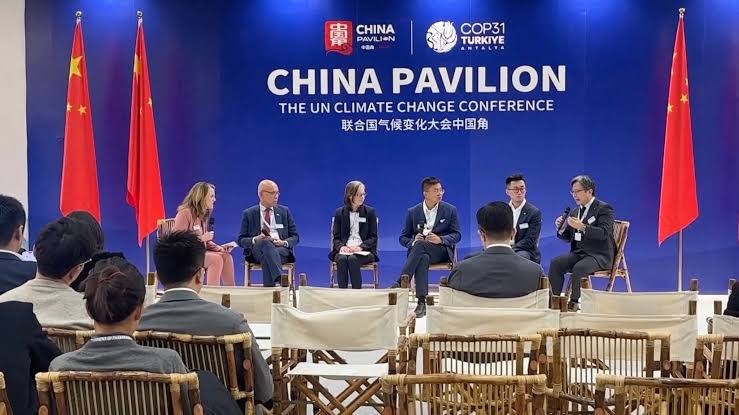
We start the day on a not-so-good note. After months of deliberations, China has officially ruled out hosting COP33 in 2028. That’s bad for climate and the news will create a sour mood over the ongoing climate talks. For months, China was seen as a frontrunner in hosting COP33 after India withdrew its candidacy in April. Beijing’s decision to sit the COP out has disappointed countries and climate experts, many of whom had hoped the world’s biggest emitter would take the lead in climate action.
That in a moment.
Day 5 centres on the official thematic day of Finance and Trade. This shifts the focus of the conference from high-level leader speeches that dominated proceedings over the last two days to technical negotiations. As we near the end of Week One, we are entering the orbit of negotiations proper.
China’s withdraws from hosting COP33
China’s withdrawal will pave the way for other Asian countries to compete for the hosting rights. Under the UN Framework Convention on Climate Change (UNFCCC) rules, an Asian country is rotationally scheduled to host COP33. While local governments in South Korea have expressed interest, the national government has yet to clarify.
Why does this matter?
China’s climate story is the archetypal mixed bag. Since 2006, China has been the world’s largest emitter, accounting for nearly 30 percent of global emissions. The country is also the world leader in renewable energy technology by a mile. Only the United States, the largest historical emitter, at 11 percent, and India, at 8.5 percent, come close. The three economic giants account for more than half of the total emissions in the world.
China’s emissions are driven by its massive coal-dependent economy and rapid industrialisation. Coal provides nearly 80 percent of China’s CO2 emissions. The country is the world’s largest producer and consumer of coal, which it uses extensively for electricity generation, steel production, and heavy industry.
China manufactures more than a third of the world’s physical goods. A portion of its emissions is driven by producing export-heavy consumer goods for Western and global markets, although its consumption-based emissions are slightly lower.
Its massive infrastructure buildouts, including millions of homes, vast highway networks, steel mills, and cement works to support a population of 1.4 billion people, caused emissions to balloon nearly fivefold between 1990 and 2024. But it’s energy generation that’s China’s single largest emitting sector, followed by heavy industry, transport, and waste.
Climate leadership
The country’s per-capita emissions are lower than those of the United States, owing to its large population of 1.4 billion people, compared to only 350 million people in the US. Over the last two decades, China has been transitioning into clean energy and currently dominates global production of solar panels, wind turbines, and electric vehicles. Cumulatively, these have caused its historical emissions to plateau. In the first half of 2026, less than half of China’s electricity came from coal, compared to 80 percent 20 years ago.
China produces most global clean energy hardware, accounting for 85 percent of solar PV manufacturing and 80 percent of wind turbines. About 80 percent of lithium-ion batteries are made in China. It also dominates the mining and processing of critical rare-earth and strategic minerals.
China surpassed its clean energy targets years ahead of the 2030 schedule. Today, total renewable capacity, including wind, solar, and hydro, have surpassed 2,395 GW. In 2025 alone, clean energy sectors contributed over one-third of the country’s total economic growth.
As such, many see China as the world’s leader in climate action, especially after the US withdrew from the Paris Agreement and UNFCCC.
Scaling climate finance and adaptation funding
Today, delegates are gathering for the Seventh Biennial High-Level Ministerial Dialogue on Climate Finance to address how wealthy nations will deliver predictable, grant-based funds rather than loans. Developing nations are also pushing to triple adaptation finance and improve direct access to funds for vulnerable communities.
Divisive GGA negotiations
In the GGA rooms, it feels like SB64 all over again. Developed country Parties remain stuck on their preference for an expert-only technical task force made up of technocrats selected by the SB Chairs and relevant UN agencies whose work relates to the GGA targets. Developing countries, meanwhile, are not willing to compromise on their preference for a task force with some form of political oversight from Parties.
On tripling adaptation finance, developed countries have consistently acknowledged the importance of finance for adaptation action, even though the European Union, UK, and Norway insist that any clarification, including on the baseline, quality, and pathway for delivery, should be discussed under the Climate Finance Work Programme(CFWP). They continue to reject any discussions on finance in the GGA negotiation rooms. Developing countries (the G77 and its members) are open to clarifying the tripling under the CFWP.
Grant-based financing
However, they are concerned about the risk of losing demand for grant-based public finance for adaptation provided to developing countries by developed countries. This is because of the ongoing debate under the CFWP to discuss finance in the context of Article 9 as a whole and not just Article 9.1.
Developing countries prefer that the tripling conversation be tied to the GGA architecture to ensure it isn’t reduced to a technical exercise without the necessary resources for implementation. They have vowed to bring it up in every room until ‘‘it lands somewhere.’’
Senior Climate Advisor at Power Shift Africa, Amos Wemanya, says Antalya must turn the promise to triple adaptation finance into a measurable commitment backed by clear milestones and transparent accountability.
‘‘That means establishing a dedicated negotiating space, agreeing on a $40 billion baseline for 2025, setting interim targets, and reporting openly on progress. Governments must recognise at least $120 billion a year by 2035 as a minimum, with public grants at the core of delivery.’’
—Amos Wemanya, Senior Climate Advisor, Power Shift Africa
He notes that tripling these resources must not become an excuse to sidestep the widening finance gap. ‘‘Adaptation finance must continue to grow beyond this floor as developing countries’ needs evolve and the consequences of global temperature overshoot intensify,’’ he argues.
So, where’s the money?
Mobilising private capital and green trade
Some sessions will examine how multilateral development banks and private investors can fund bankable climate projects and industrial decarbonisation. Trade discussions will seek to address how global supply chains and green technologies can scale without creating unfair barriers for developing economies.
On the global electrification front, negotiators and energy leaders, among them the International Energy Agency, are assessing global energy markets to boost global electrification to 35 percent by 2035, a voluntary plan proposed by hosts Turkey and Australia. Debates remain tense between nations pushing for a rapid fossil fuel phaseout and oil-producing countries defending fossil fuel expansion amid geopolitical supply disruptions.
Carbon markets and crediting mechanisms
Discussions under Article 6 are focused on ironing out rough edges to ensure international carbon trading rules are transparent, credible, and actively channel funds toward emissions reductions. Negotiators and market participants are working to bridge divisions over how international carbon markets integrate with global trade and help channel finance toward developing economies. With the Paris Agreement Crediting Mechanism (Article 6.4) now operational and issuing credits, attention has shifted from rulemaking to bankable transactions. Governments are now using the Finance and Trade focus to announce direct capital commitments.
READ: New German €50 million fund to finance projects in exchange for future credits
Besides market trading, delegates are reviewing the work programme for non-market cooperation under the Glasgow Committee on Non-Market Approaches to support countries pursuing climate action without trading credits.
The fossil fuel battle
Civil society organisations have called on Australia and Türkiye to integrate the roadmap for transitioning away from fossil fuels into the formal COP31 negotiations, warning that the initiative risks losing momentum unless governments move swiftly from political pledges to concrete commitments. The appeal came as COP30 President André Corrêa do Lago formally handed over Brazil’s Roadmap for Transitioning Away from Fossil Fuels in Energy Systems to representatives of the incoming Australian and Turkish COP31 Presidencies at an event at the climate summit venue in Antalya on Tuesday. The handover followed a series of positive interventions from senior UN officials, former COP presidents and ministers, who welcomed the roadmap and praised Brazil for its leadership in translating the commitment made at COP28 to transition away from fossil fuels into a framework for action.
No clear plan to advance roadmap
However, civil society representatives expressed disappointment with the response from the incoming presidencies. Australia offered no clear indication of how it intends to advance the initiative, while Türkiye said it would ‘consider’ the roadmap without setting out how it might feature in the COP31 process.
This response has raised concerns among campaigners that the roadmap could remain a political declaration rather than become a basis for negotiated action at next year’s climate summit.
“COP31 needs to put the transition on a political track, not leave it as a talking point,” campaigners said, arguing that the next presidency must establish a clear process for translating the roadmap into national commitments and international cooperation.
Emel Türker Alpay, climate and energy campaigner at Greenpeace Türkiye, said COP31 offered Türkiye an opportunity to ensure that Brazil’s work continued beyond the COP30 summit in Belém.
“Brazil has turned the COP28 promise to transition away from fossil fuels into a roadmap the world can act on. COP31 is now the place to decide how and when that transition will happen,” she said.
Alpay called on Türkiye to use its presidency to encourage governments to develop stronger national plans for phasing out fossil fuels, aligned with their respective responsibilities for limiting global heating to 1.5°C and grounded in social justice.
Welcome to Day 4 of our COP31 coverage.
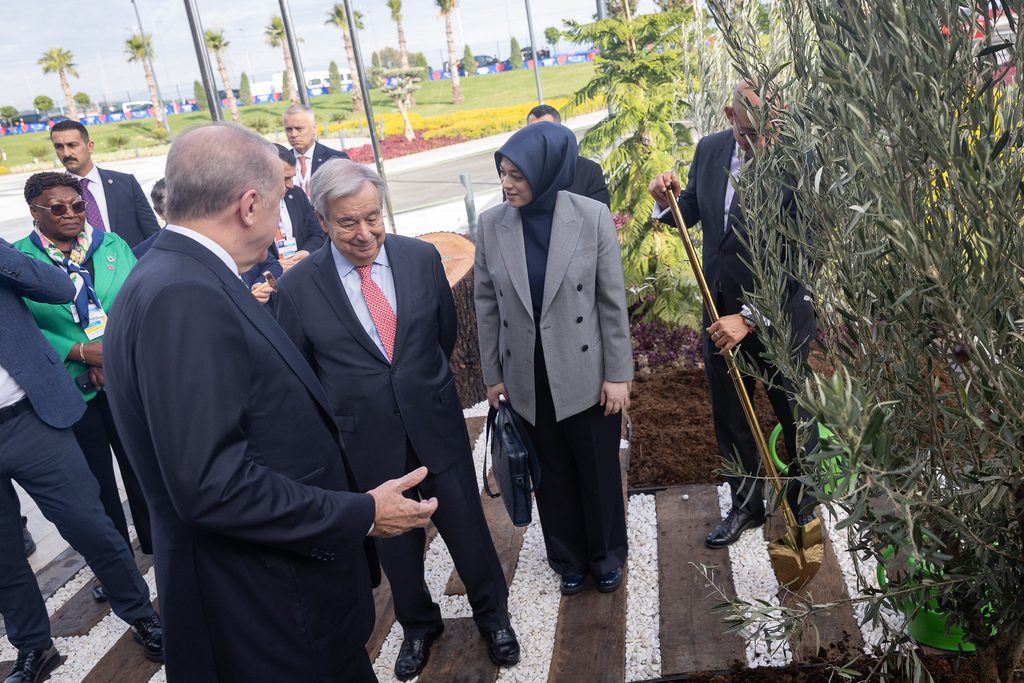
Today is a big day in Antalya. It’s Africa Day at COP, and the World Leaders Climate Action Summit ends today. The focus of negotiations will be resilient cities, the built environment, and early warning systems. There will be a host of events to demand a just transition, organised by businesses and faith groups.
African leadership stays in the spotlight with a session on African Leadership on Climate Action, and a leaders’ Roundtable on Clean Cooking in Africa. Of course, none of this is fruitful until we talk money. Climate Finance negotiations continue, alongside a roundtable on the second decade of the Paris Agreement and access to finance. One question runs through every room: will the money follow the commitments?
READ: Let’s cut the long blah blah blah of pledges, bring out the fat wallets
Let’s look at some of the highlights of the day.
Negotiations
There are multiple activities happening on the negotiations front, including the Climate Finance Work Programme, Adaptation Fund, the Global Goal on Adaptation, and National Adaptation Plans. Australia and its Pacific island partners are pushing to include oceans and rising sea levels directly in the COP31 cover text, with supporters arguing that cover-text recognition could unlock dedicated blue economy financing modelled on the Tropical Forests Forever Facility.
On Finance, Parties will continue to negotiate how to operationalise the annual $300 billion climate finance goal agreed at COP29 and address developing nations’ demands for grant-based funding over loans. Negotiators will also be working to anchor a pledge to triple adaptation finance by 2035, which stalled in June in Bonn. On Adaptation indicators, delegates are working through informal consultations to make the 59 adaptation indicators carried over from COP30 in Belém workable for national reporting.
On Article 6 (Carbon Markets), negotiators are debating Article 6 governance, with countries like Switzerland signalling no appetite to reopen or alter the existing Article 6.2 rulebook. This follows a joint statement by 15 countries on November 11 (Day 3) to upscale carbon credit markets through policy implementation. Building on open dialogues held earlier in the week, Parties will today continue to debate how to establish a concrete global roadmap for transitioning away from fossil fuels after talks stalled at COP30.
End of leaders’ summit
Heads of state and government will conclude their two-day high-level segment with national statements and bilateral meetings. In our blog yesterday, we mentioned that more than 60 world leaders are attending the summit. UK Prime Minister Andy Burnham is the only G7 leader attending COP31, with leaders of Canada, US, France, Germany, Italy, and Japan missing. Xi Jinping of China and India Prime Minister Narendra Modi are also skipping the summit.
The US is not attending this COP after the Trump administration withdrew from the Paris Agreement and UNFCCC in 2025. Speaking in Antalya on Thursday, former United States Climate Envoy, John Kerry, criticised the US for ceding the clean energy race to China. This is the second year the country has stayed away from the climate talks. Meanwhile, a White House spokesperson has dismissed COP31, saying that ‘‘extremist climate policies are destroying countries around the world”.
There’s particular interest in the addresses of key leaders, including Turkey’s Recep Tayyip Erdoğan and Australia’s Anthony Albanese, the co-hosts of this COP. Also keenly watched is Brazil’s Luiz Inácio Lula da Silva, who hosted last year’s COP, for political momentum on fossil fuel transition roadmaps and climate finance.
Ethiopia’s PM Abiy Ahmed is in Antalya, and the world will be keen to hear his country’s plans for COP32 next year.
‘‘It really is a disgrace that just one of the seven G7 heads of state and only a handful of G20 leaders are attending this summit. The world’s biggest economies should be leading the response to the climate crisis, not leaving it to others.’’
— Mohamed Adow, Director, Power Shift Africa
Resilient cities and built environment
This is one of the items under the Global Climate Action Agenda, and events will be part of the world leaders’ summit, hosted by Turkey and Australia. Today’s official thematic focus spotlights how urban areas can adapt to extreme heat, drought, and flooding. Sessions will examine sustainable urban cooling, municipal climate leadership, upgrading informal settlements and other urban infrastructure, affordable housing, sponge city strategies, and climate-informed infrastructure.
UNEP’s Cool Coalition, the Global Alliance for Buildings and Construction, UN-Habitat, and Turkey’s İLBANK will host events and high-level dialogues to link policy, finance, and urban scaling.
Africa Day
Since its inception at COP17 in Durban, South Africa, in 2011, Africa Day has become a flagship annual event of the African presence at the UNFCCC COPs. Jointly convened within the Africa Pavilion by the African Union Commission, African Development Bank Group, UNECA and partners, Africa Day provides a high-level platform for African leaders and stakeholders to advance a common continental voice on climate action, climate finance, adaptation, resilience and sustainable development. Over the years, the day has evolved into the premier forum for showcasing African solutions, strengthening strategic partnerships and elevating Africa’s priorities within the global climate agenda.
As the African Union advances its 2026 Theme of the Year on Water and Sanitation, ‘‘Assuring Sustainable Water Availability and Safe Sanitation Systems to Achieve the Goals of Agenda 2063’’, Africa Day at COP31 will position investments in water and sanitation as a strategic driver of the continent’s climate resilience, sustainable development, and economic transformation. The African Union will host partners for a side event under the theme of ‘‘Securing Africa’s Water: Unlocking the Continent’s Climate Resilience Goals’’.
The event aims to secure high-level political commitment to scale up investments in water and sanitation as a foundation for climate resilience and sustainable development and mobilise increased climate finance for adaptation, resilience-building and transformational investments. It also seeks to strengthen continental cooperation on multi-hazard early warning systems and anticipatory action and highlight the contribution of ecosystems, forests, islands and restored landscapes to climate resilience and sustainable development. At the same time, the event will showcase African-led flagship initiatives, including the Africa Climate Commissions (African Islands, Congo Basin and Sahel) and transformative programmes such as the Great Green Wall and build momentum toward COP32 and strengthen Africa’s collective voice on implementation and climate finance.
While we are still talking about Africa, read about the continent’s agenda in thiese cliomate talks below.
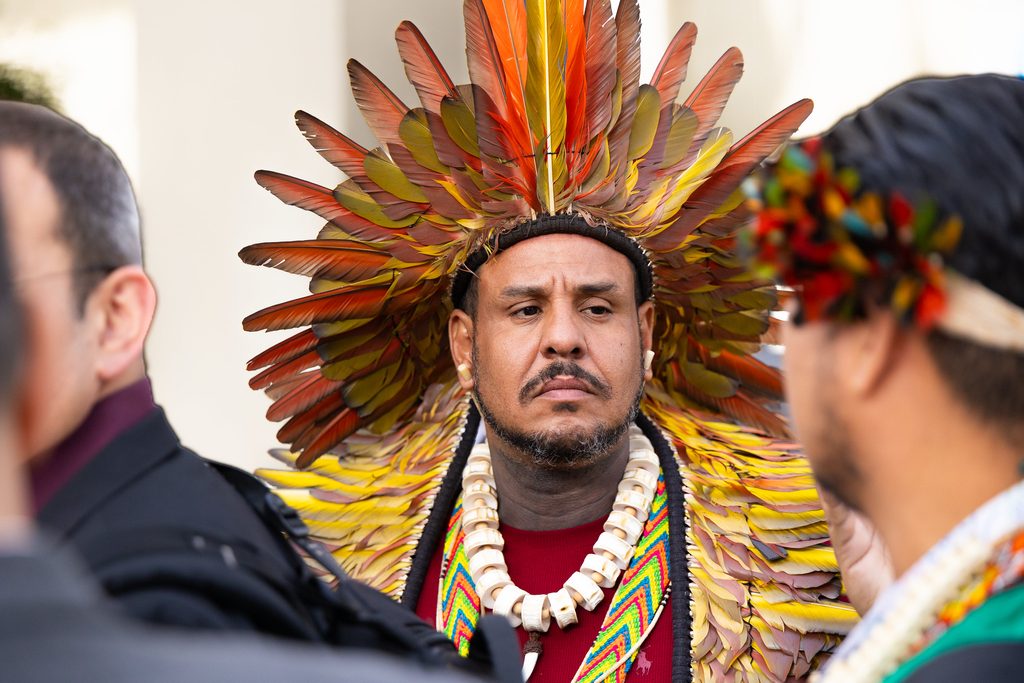
UK appoints world’s first rep for climate security
The UK government has appointed Dame Madeleine Alessandria as its special representative for climate security to advise on national security risks arising from the climate crisis. Prime Minister Andy Burnham announced the historic appointment when he addressed the World Leaders Climate Action Summit today in Antalya, pledging a new era of British climate leadership over the next decade. In his address to COP31 on Wednesday, UK Foreign Secretary Ed Miliband had said the climate breakdown is one of the greatest national security threats countries face today.
‘‘Those who seek to stick their heads in the sand on climate are putting our country’s national security at risk.’’Who is attending COP31?
This year’s COP has one of the highest attendances in history, with nearly 100000 delegates participating. Nigeria has the third-largest delegation in the world at COP31, and the largest in Africa, with 1506 delegates registered to attend the climate talks. Only the host, Turkey (2950), and last year’s host, Brazil (1994), have more people attending. Another African country, Uganda, has 627 delegates participating and features on the top 10 list of countries with the largest delegations in Antalya.
Politics of Climate Finance
On Wednesday, climate finance negotiations progressed well, albeit with significant political differences between developed and developing countries. The biggest flashpoint was discussion around the responsibility of developed countries to provide public climate finance to their developing counterparts as provided for under Article 9.1. These differences played ot especially across discussions on the Climate Finance Work Programme, Article 2.1(c) and long-term finance obligations.
Developing countries, particularly the African Group, are pushing for predictable, accessible, and affordable public finance, while developed countries continue to emphasise broader financial flows, mobilisation, and existing commitments. Meanwhile, concerns are emerging regarding the risk of shifting financial responsibilities and imposing additional burdens on developing countries.
At the same time, negotiations around the Green Climate Fund and Adaptation Fund continued on Wednesday, focusing largely on access, guidance, and institutional arrangements.
Welcome to our daily coverage of COP31.
Today is Day 3 and that means the kick-off of the World Leaders Climate Action Summit. At least 60 heads of state and government are gathering in Antalya for a two-day summit (today and tomorrow) to lend political thrust to their national climate pledges and translate them into concrete action.
Today will also feature a UN address at noon, including from UN Secretary-General António Guterres, highlighting the Early Warnings for All initiative. Expect him to call out fossil fuels. Keep it here for an analysis of the SG’s remarks. Remember this is Guterres’ last address to the COP as UN Secretary-General.
Presidents Lula da Silva of Brazil, Ursula von der Leyen of the EU Commission, Australian Prime Minister Antony Albanase and Ethiopia’s Abiy Ahmed are in Turkey for the world leaders summit. Presidents Xi Jinping of China and Emmanuel Macron of France, India Prime Minister Narendra Modi, and German Chancellor Friedrich Merz are skipping the summit.
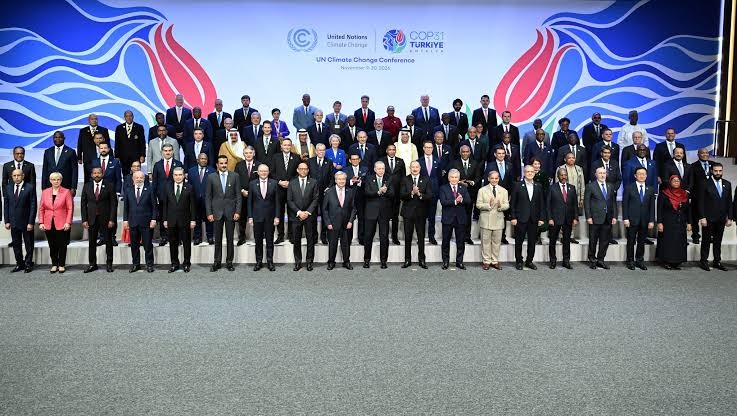
But first, some good news.
Nepal set to receive $21.6 to rebuild after August flood disaster
The Fund for Responding to Loss and Damage set aside a provisional USD 21.6 million in October to help communities in the South Asian country to recover from devastating glacial flash floods that struck the country in August. This makes Nepal the first-ever recipient country of an emergency payout from the fund since it was operationalised at COP28
The August 2026 floods in the Bhotekoshi and Trishuli river basins caused massive destruction, killing more than 1400 people and leaving thousands missing. Recovery and reconstruction costs are estimated at $4.7 billion, making the resources provided only a fraction of the country’s total needs.
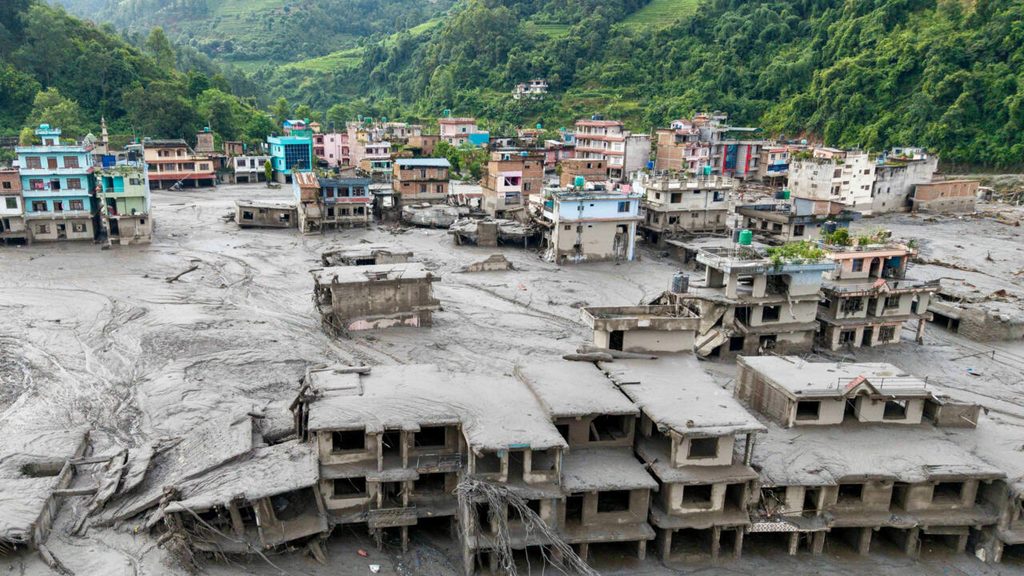
Still, Nepal must submit a formal project proposal for final approval and review during the fund’s upcoming board meeting in December 2026. While welcoming the relief, our Climate Finance Fellow Mercy John says frontline communities need money delivered, not simply earmarked.
At COP31, debates over rapid response for Nepal have surfaced as developed and developing nations continue to negotiate how the fund interacts with short-term disaster relief versus long-term recovery.
‘‘Nepal’s experience must lead to a permanent rapid-response mechanism, backed by predictable, grant-based funding. Countries should not have to wait for an extraordinary Board meeting each time disaster strikes.’’
—Mercy John, Climate Finance Fellow, Power Shift Africa
High-stakes forest funding push
The Tropical Forest Forever Facility (TFFF) is taking a central role at COP31 in Antalya, Türkiye, as global leaders push to capitalise the permanent, Brazilian-led conservation fund. TFFF aims to provide long-term, results-based financial support to Tropical Forest Countries(TFCs) for the conservation and restoration of their tropical and subtropical moist broadleaf forests. It pays tropical forest countries and local communities a fixed amount per conserved hectare via satellite-monitored, performance-based funding.
Today, Norway, the Democratic Republic of the Congo, Guyana, and the UK are leading a high-level political stocktake on forests under the TFFF, with discussions focused on unlocking new financial pledges. World leaders are pushing to secure just over $2 billion in additional pledges needed to hit the TFFF’s 2026 year-end funding target ahead of incoming El Niño-induced fire risks. The Netherlands recently announced that it will provide up to $500 million toward the facility.
Ottoman Emprire-era dance
On Wednesday, world leaders and delegates at COP31 were treated to colour, sound, and moves by members of the Mehter Band of the Turkish Defence Forces. Dressed in traditional Ottoman-era military uniforms, the band welcomed international delegates ahead of the summit’s high-level segment hosted by Turkish President Recep Tayyip Erdoğan.
The Mehter is often described as one of the world’s oldest military bands, and its drums and brass once marked the march of Ottoman armies. Playing traditional marches with powerful percussion and wind instruments.

It preserves the ceremonial military music tradition of the Ottoman Empire. It has performed at other major international gatherings, including the 2026 NATO summit in Ankara.
Fossil Fuel Transition Alliances Unite
Prominent government coalitions, including the Beyond Oil & Gas Alliance (BOGA) and the Powering Past Coal Alliance (PPCA), will come together to coordinate concrete steps for transitioning away from fossil fuels. This action agenda event is happening in the blue zone.
These discussions occur amid heightened tension between clean energy pledges and expanding fossil fuel production. On Monday, Turkey announced the discovery of new oil fields. the announcement antagonises the spirit of the COP, which seeks to end the world’s appetite for and addcition to fossil fuels.
Presidential Roundtables on Clean Electrification
The COP31 Presidency is hosting high-level leaders’ dialogues focused on clean energy transitions, grid electrification, and green industrialisation. One of the main conversations will be the global electrification target of ‘‘35 by 35’’. Today’s roundtables will focus on scaling clean electricity across buildings, heavy industry, and transport.
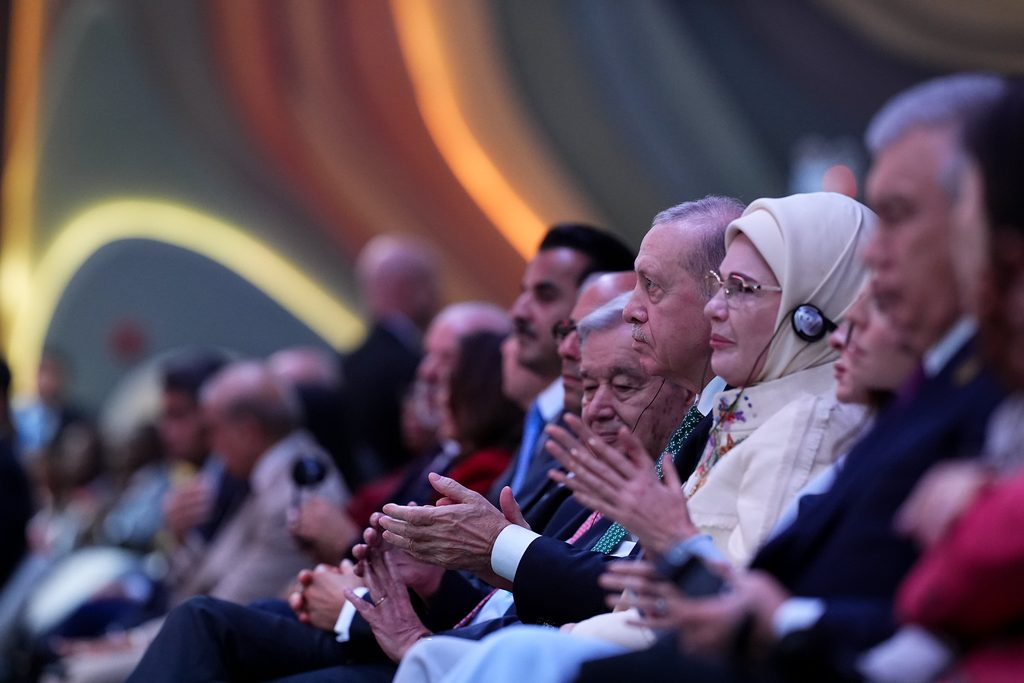
Zero Waste
This is the official theme of Day 3, and events will spotlight circular economy frameworks and waste-recovery targets. Turkey seeks to establish a global implementation target to halve the projected growth in global waste generation by 2035. Initiatives are targeting waste as a major source of human-caused methane, which accounts for nearly 20 percent of global emissions.
READ: Methane Emissions Reduction and a Case for Adaptation
Fossil fuels and dinosaurs
UN Secretary-General Antonio Guterres told world leaders that slow international response to climate change had put the planet on a path to destruction, adding that the climate crisis is outrunning humanity.
‘‘But science is not telling us to surrender. It is telling us to fight harder…Fossil fuels must go the way of the dinosaurs.’’
—Antonio Guterres, Secretary-General, UN
That, however, won’t happen on its own, according to Guterres. ‘‘The dinosaurs did not have a lobby, but fossil fuels do. Their strategy is simple: Distort the science. Delay the policy. Delay the action. Delay the accountability,’’ Guterres said, adding that the world must kick the habit and end the fossil fuel addiction to save the planet.
New frontier of action
UK Foreign Secretary Ed Miliband warned that the climate breakdown is a major national security threat. Miliband argued that defense and security objectives must become a new front in climate action.
‘‘We should be clear that climate breakdown is one of the greatest national security threats we face. Food security, threats to infrastructure, and population movements result from the climate crisis,’’ Miliband said.
With world leaders in town, delegates experienced logistical and access challenges. Heightened security measures and road closures caused significant transport delays and access restrictions, leaving hundreds of delegates stranded.
Welcome to the second day of our COP31 coverage.
If you’re reading this, you know turning pledges into action will be the difference between a successful COP31 and, well, just another round of talks. A lot is at stake at this summit, and that was clear long before the first flight landed in the resort city on the Turkish Riviera.
That in a moment.
The COP31 Chronicle by Power Shift Africa is now live
The publication provides a comprehensive overview of the climate talks in Antalya, Turkey, with a strong focus on Africa’s climate priorities and global climate justice. Featuring in-depth analyses and special features from African climate experts, the publication places key issues in the spotlight, including the need for this COP to:
- Operationalise the Belém Adaptation Indicators
- Secure predictable and grant-based climate finance
- Push for a Just Transition Mechanism that converts concept to design
- Ensure that adaptation and mitigation are matched with resources
READ: The COP31 Chronicle
Inside, read how persistent gaps in finance doubly expose millions on the continent to the horrors of climate disasters and debt distress through loans taken to protect lives, livelihoods, ecosystems, and economies.
In the editorial, our director, Mohamed Adow, argues that Africa comes to this COP with ambition and hope, and notes that this COP will be judged by the appetite to deliver on the promises made and the ability to move beyond the culture of declarations that has sullied previous conferences.
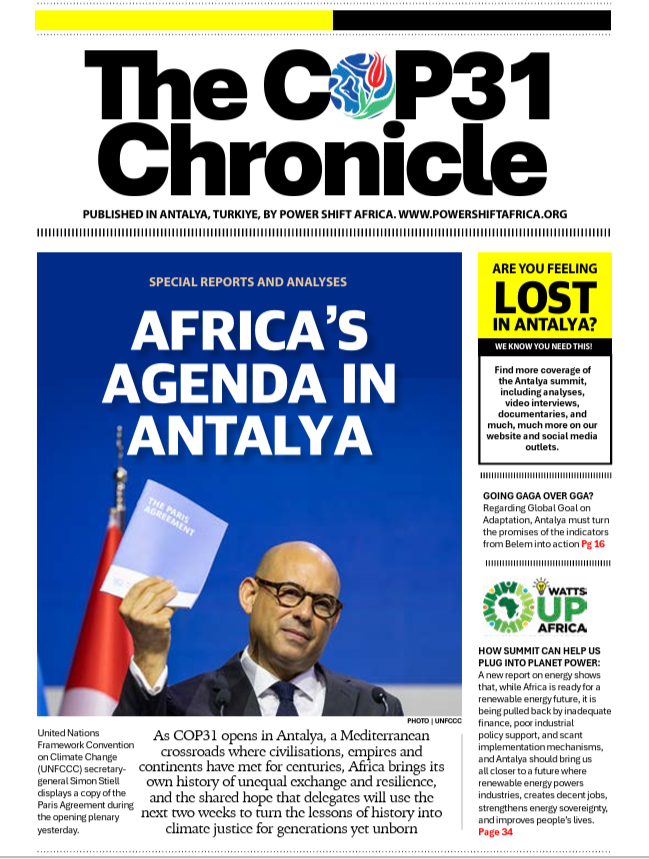
What to expect on Day 2
Brazil launches deforestation, fossil fuel phaseout roadmaps
On Day 1, Brazil’s COP30 Presidency had announced that the two roadmaps were ready to be unveiled. It’s important to note that the roadmap for transitioning away from fossil fuels is voluntary and non-binding. The discussion began at COP30 in Belém last year before the initiative was ultimately defeated following objections from Saudi Arabia, Russia, and other major oil-producing nations.
A high-level ministerial session on Electrify Now was held, with Australia, the European Union, Kenya, and Palau participating, to focus on scaling up global electrification and advancing energy demand targets. Electrification is high on the agenda of COP31, with the hosts pushing to have 35 percent global electrification by 2035.
The agreement on this item will not be binding as the initiative is voluntary.
Launch of the Global Carbon Budget 2026 Report
The report by the Global Carbon Project projects global fossil fuel emissions to decrease by 0.4 percent in 2026, reaching 38.2 billion tonnes. The report acknowledges that the decrease is partly because of the expansion of solar and wind power and energy supply shifts linked to the Iran conflict. Total global CO₂ emissions, including land-use changes like deforestation, could rise to 43.3 billion tonnes, up from 42.8 billion tonnes in 2025.
At the same time, the remaining carbon budget to limit global warming to 1.5°C above pre-industrial levels is now estimated at 150 billion tonnes. This amount could be exhausted in less than four years at current emission rates.
READ: Global Carbon Budget 2026
Other events included media briefings by the Least Developed Countries (LDCs) on loss and damage, and a meeting on coal transition partnerships held by the UK, France and the Powering Past Coal Alliance (PPCA) coalition.
Day 1 Recap
It was a largely smooth first day of the COP, perhaps because most delegates and observers have adopted cautious optimism towards COP31. Still, it wasn’t devoid of drama, in keeping with the COP tradition.
Fossil fuels and the irony of COP31
On the day COP31 started, Turkish President Recep Tayyip Erdoğan announced late Monday the discovery of two more oil fields in the country’s south-east.
And no. It wasn’t a case of the president having his foot in the mouth. Erdogan meant every word he said. Say what you will about timing, but it would seem this announcement was well choreographed.
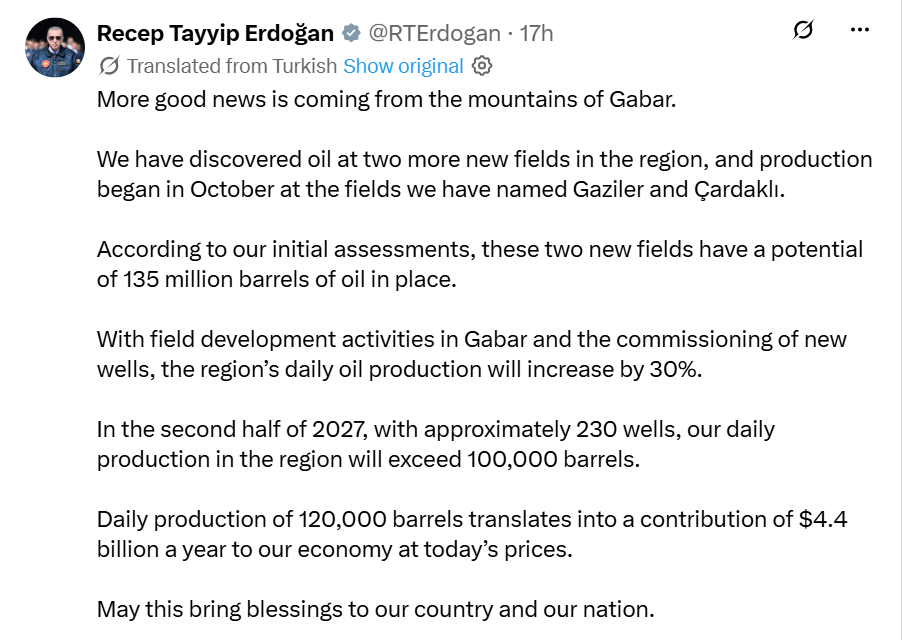
The future of oil, gas, and coal, the main drivers of climate change, is a hot issue at this summit. Both Turkey and Australia are big on coal. The dirty fuel accounts for about 34 percent of Turkey’s total electricity generation, making it the country’s single largest source of power. Turkey is also the largest coal producer in Europe.
‘Co-Presidency high-five?
In a unique break from tradition, the summit’s official launch featured an unusual joint leadership team. While Türkiye’s Environment Minister, Murat Kurum, officially took the gavel as COP31 President from his COP30 counterpart, Amb André Aranha Corrêa do Lago, Australia’s climate minister, Chris Bowen, was introduced to lead the marathon of negotiations. To signal unity in their complex, shared arrangement, both ministers famously clasped hands and raised them together to roaring applause in the plenary.
‘‘We want the legacy of Antalya to be a culture of working together, not a list of decisions.’’
— Murat Kurum, COP31 President
Early ‘money fight’ delays opening plenary
The main opening plenary session started an hour and a half late because of late-night backroom wrangling. The African group pushed for adaptation finance and trade items to be included in the formal agenda while Nepal requested to have formal discussions on mountain issues following the disastrous August floods. At the same time, developing nations fought hard to force the Climate Finance Work Programme established at COP30 onto the official agenda.
Wealthier nations, notably the European Union, reject a ‘narrow focus’ restricted solely to public provision under Article 9.1 of the Paris Agreement. Instead, they are pushing for a broader scope that encompasses mobilising private finance (Article 9.3) and leveraging concessional finance. The bloc also wants the work programme to build on existing frameworks and incorporate elements such as the Baku to Belém Roadmap, which targets $1.3 trillion in concessional finance, and addressing structural barriers to capital access and reform of the international financial architecture.
Meanwhile, Africa insists that public finance must be front and centre of the CFWP.
| ‘35-by-35’ electrification push sparks friction As part of the voluntary action agenda, host nation Türkiye continues to heavily promote its global electrification initiative, which challenges countries to scale global electricity demand to 35 percent by 2035. Today, that demand stands at about 20 percent. A rift emerged when some countries demanded that the language be changed to ‘‘clean electrification’’, putting the host country’s initiative in the spotlight. Concerns have been raised over how much room Türkiye’s proposal leaves for fossil fuels to power that electricity. ‘‘Electrification in Africa must mean two things simultaneously. Firstly, providing universal access to reliable and affordable electricity. Secondly, using renewables to power Africa’s future development.’’ — Mohamed Adow, Director, Power Shift Africa |
Dreadful warnings and blunt rhetoric
There has been no shortage of warnings about the crises facing the planet. A WMO report released yesterday warns that global climate indicators are ‘‘off the charts’’ driven by greenhouse gas emissions and a rapidly intensifying El Niño event.
READ: State of the Climate Update 2026
In his trademark fashion, UN climate chief Simon Stiell delivered a stinging address, declaring that the current fossil fuel cost crisis has ‘‘spread inflation like a cancer’’ across global households. An introductory promotional video by the Turkish presidency underscored the urgency – warning that while nature and the planet will inevitably survive climate change, humanity itself may not. That is, if swift action isn’t taken. Still, some say the video gives Eurovision – rather than COP – vibes.
WATCH: COP31 theme song
Stiell said the world is already in the new era of implementation, noting that COP31 will do things differently and that delegates must face the current world reality.
‘‘We must deal with the world as it is, not as we might wish it to be.’’
— Simon Stiell, UN Climate chief
The irony is that humanity isn’t doing nearly half as much as the current rate of warming demands.
Noting that every recent COP has delivered progress, he challenged this edition of the talks to keep that momentum. ‘‘A climate solutions step-up creates a real chance for faster progress. We have a responsibility to take it. This is what the era of implementation looks like,’’ he added.
US Snub and Congress defiance
For the second consecutive year, the US hasn’t sent a delegation due to COP. The country withdrew from the UN international climate framework. Still, there are reports that about 20 US Congress members will be attending the summit, buoyed by the Democrats’ takeover of both houses of Congress in last week’s midterm elections.
Welcome to Day 1 of our comprehensive coverage of COP31.
5 Quick Things to Know about COP31
Joint Presidency
This summit features an extraordinary leadership arrangement. Turkey is the host country, while Australia will lead the formal negotiations in a tense deal that many fear could derail the process.
First COP in Era of Overshoot
This year’s UN emissions gap report confirms that preventing a breach of the 1.5°C threshold is now practically unavoidable. Under current decarbonisation pathways, the world is barreling toward 2.8°C warming by the turn of the century.
100000 attendees
With delegates arriving in the Mediterranean city expected to hit six figures, this COP could record one of the highest-ever attendances for any climate summit. More than 200 countries globally will be represented in the Turkish city.
An(other) implementation COP
Commitments have dominated the last 10 years of the Paris Agreement. This COP heavily focuses on turning these pledges into concrete action in climate finance, clean electrification, adaptation, just transition, waste reduction, and climate-resilient cities.
Second Global Stocktake (GST-2)
This conference will launch the second formal stocktake process to assess collective global progress toward the long-term goals of the Paris Agreement, running through 2028.
It’s worth remembering the United States is sitting out these climate talks for the second consecutive year, following its withdrawal from the Paris Agreement and UNFCCC in 2025.
Turkey officially assumes COP Presidency
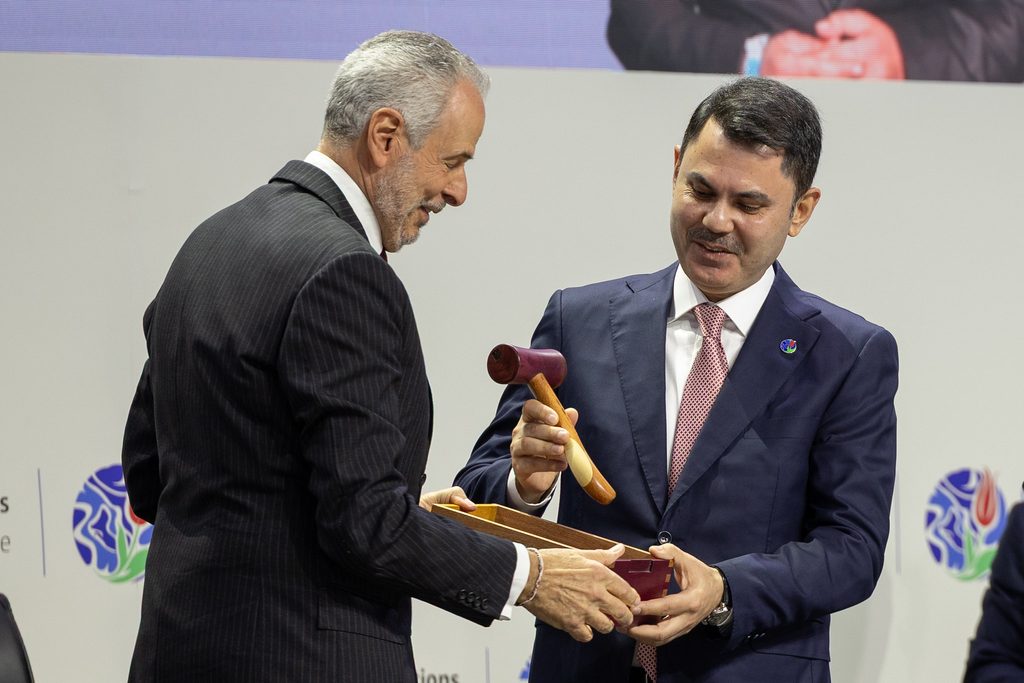
During the opening plenary on Monday, Brazil handed over the presidency to Turkey, giving the host formal mandate to lead the talks. COP30 President Amb. André Aranha Corrêa do Lago of Brazil welcomed his successor, Murat Kurum, to a standing ovation across the plenary. A civil engineer and politician, Kurum is Turkey’s Minister of Environment, Urbanisation and Climate Change. The COP presidency begins at one COP and ends at the next one. Kurum will now steer the presidency until COP32, when Ethiopia takes over.
Day 1 Focus
The first day of COP31 saw the formal agenda of COP31 adopted without glitches, with all 200 parties present agreeing on the items to be debated over the next two weeks.
The thematic focus for Day 1 was on food security and safety, agriculture, and health, where discussions sought to address global supply chain vulnerabilities and the impact of climate degradation on food production, and ways to strengthen healthcare infrastructure to withstand climate-induced crises.
Queuing for climate
Delegates attending COP31 on Monday complained of long queues under the blazing sun in Antalya, with many spending as long as five hours to get to the end of the badge collection queue. The delay offered a frustrating first hurdle for participants arriving to attend the climate summit, where leaders have called for faster action on global warming. With little shade and temperatures climbing, some delegates fanned themselves or sought to hydrate as the line crawled forward, inch by inch. By early afternoon, the sluggish queue had stretched outside the venue, turning the formalities of accreditation into an endurance test before negotiations had even begun. UNFCCC guidance says delegates must collect their badges onsite before entering the conference.
Remarks from Opening Plenary
Simon Stiell – CEO, UNFCCC
UN climate chief Simon Stiell said the world is already in the new era of implementation, noting that COP31 will do things differently.
‘‘Not discarding what went before. But building on it. Honing it. To deliver progress faster.’’
Stiell also asked the delegates to face the current reality of the world.
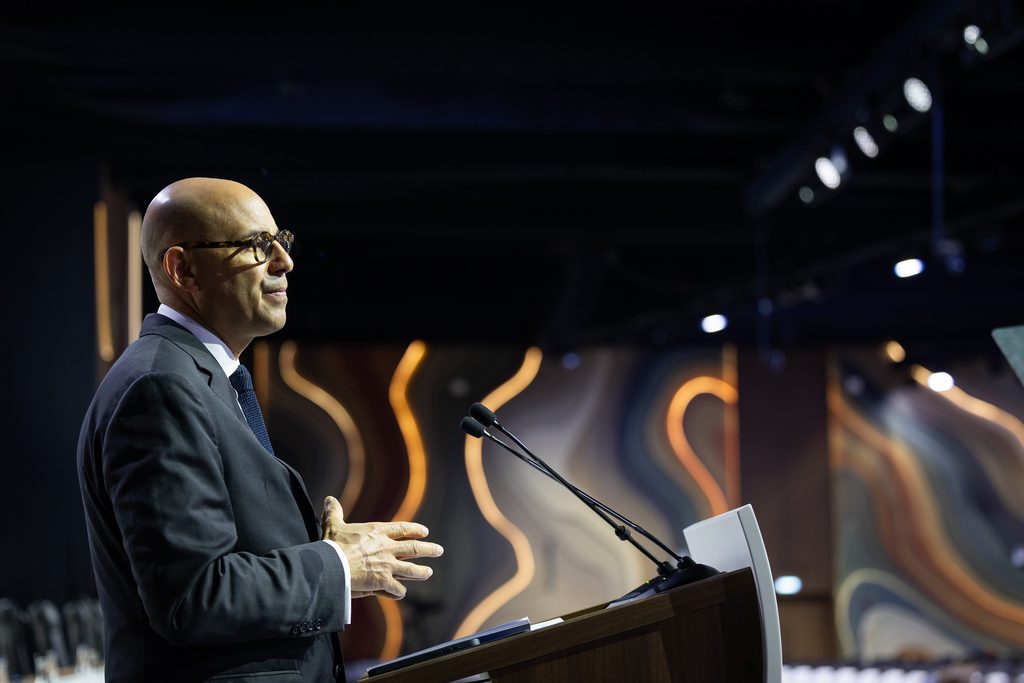
‘‘We must deal with the world as it is, not as we might wish it to be.’’
Stiell noted that every recent COP has delivered strides, and so must COP31.
‘‘A climate solutions step-up creates a real chance for faster progress. We have a responsibility to take it. This is what the era of implementation looks like.’’
Murat Kurum – COP31 President
COP31 president Murat Kurum asked the delegates to dialogue even as divisions deepen and to restore trust where it is been under strain and reminded them about closing “the gap between promises and people’s lives”
”Climate policy today is also development policy. It is food policy. Energy policy. Urban policy. Health policy…We want the legacy of Antalya to be a culture of working together, not a list of decisions.”
Dr Nana Antwi-Boasiako – Chair, African Group of Negotiators
Earlier in Antalya, the chair of African Group of Negotiators on Climate Change had told a media briefing that, “for Africa, COP31 is particularly pivotal for implementation and represents a solid foundation towards COP32, which will be hosted on the African continent”.
“For the AGN, COP31 is pivotal for implementation, and the Group expects to see ambition in climate finance and the means of implementation” said Dr Antwi, adding that, “in this regard, the African Group has submitted agenda items addressing climate finance and implementation.”