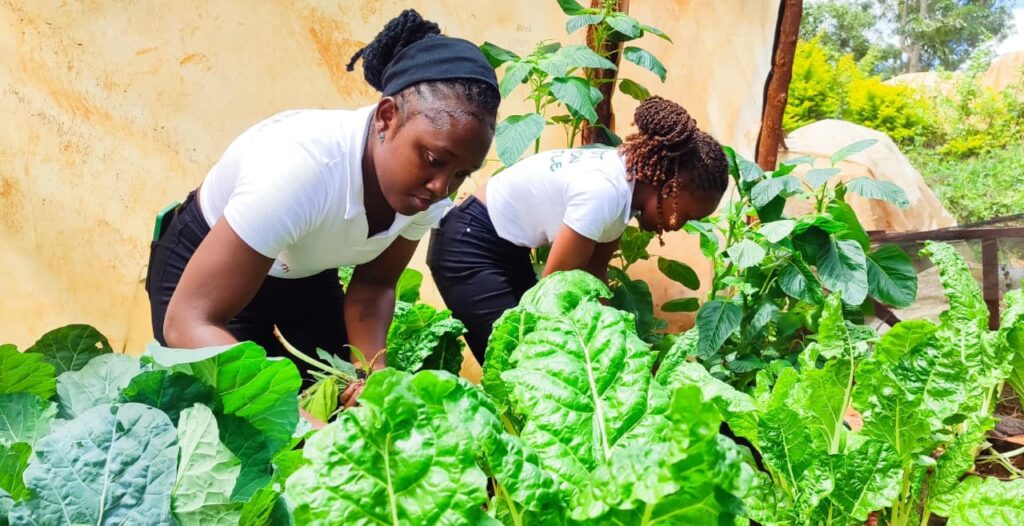
For millions of farmers around the world, and especially in Africa, the changing climate is felt, not in negotiating rooms, but in the fields as rains that arrive late, crops that wither under extreme heat, and floods that wash away a season’s work. And, as we have seen in recent days, when harvests fail, the consequences reach far beyond the farm, threatening household incomes, food supplies, and the livelihoods of entire rural communities.
These pressures are placing agriculture at the heart of Africa’s climate priorities as negotiators square it out in negotiations rooms.
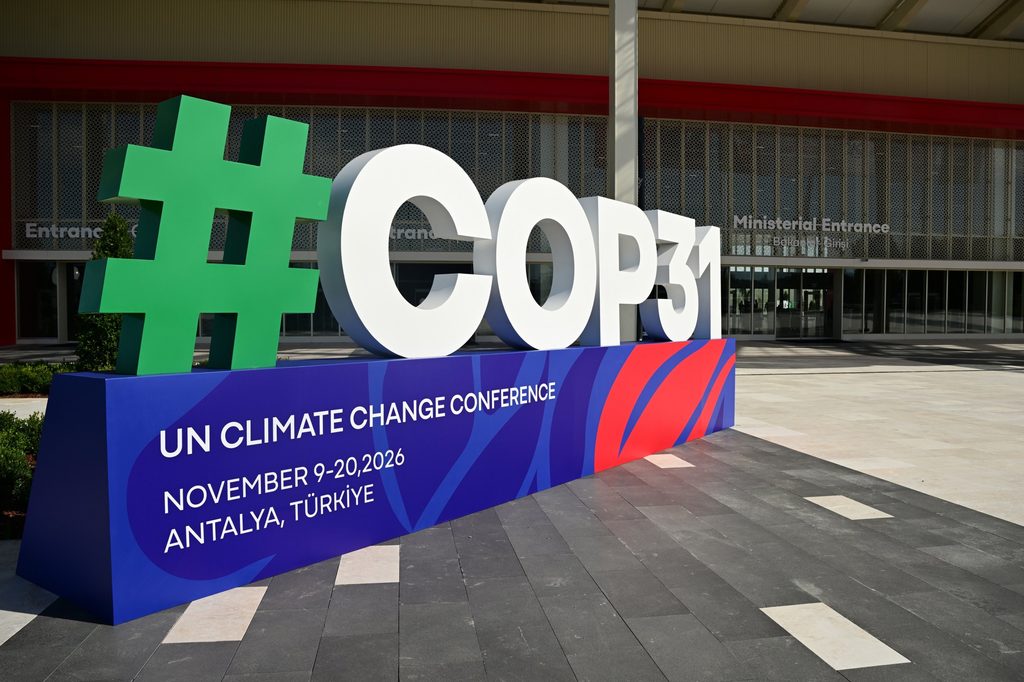
For African countries, these meetings carry particular significance; the Sharm el-Sheikh Joint Work on Implementation of Climate Action on Agriculture and Food Security (SSJWA), the only dedicated agriculture and food security workstream under the UN Framework Convention on Climate Change (UNFCCC), is due to conclude at COP31. Parties must now decide what comes next for international cooperation on climate-resilient agriculture and food security.
The outcome could shape whether the next phase of climate action delivers practical support to the people who produce food, or leaves them navigating worsening climate risks with inadequate resources.
Agriculture remains central to livelihoods, rural economies and food security across Africa, but much of the continent’s farming is rain-fed, leaving smallholders particularly exposed to droughts, floods, heat stress and unpredictable rainfall. For these farmers, adaptation is the difference between sustaining a harvest and losing a year’s income.
From workshops to action
Established to strengthen the implementation of climate action on agriculture and food security, the SSJWA has spent four years facilitating discussions, sharing knowledge, and identifying opportunities to connect countries’ needs with available support. Its work has included technical workshops, the synthesis of submissions from governments and observers, and an online portal intended to facilitate knowledge exchange and match implementation needs with funding opportunities.
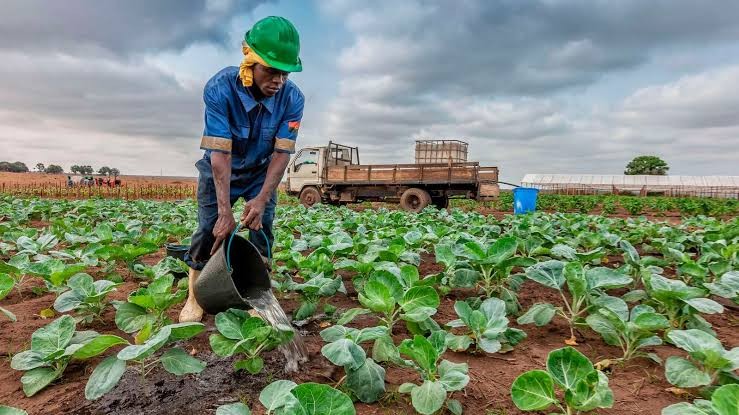
But as the programme approaches its conclusion, we now must confront the question of how these discussions can translate into sustained action on the ground.
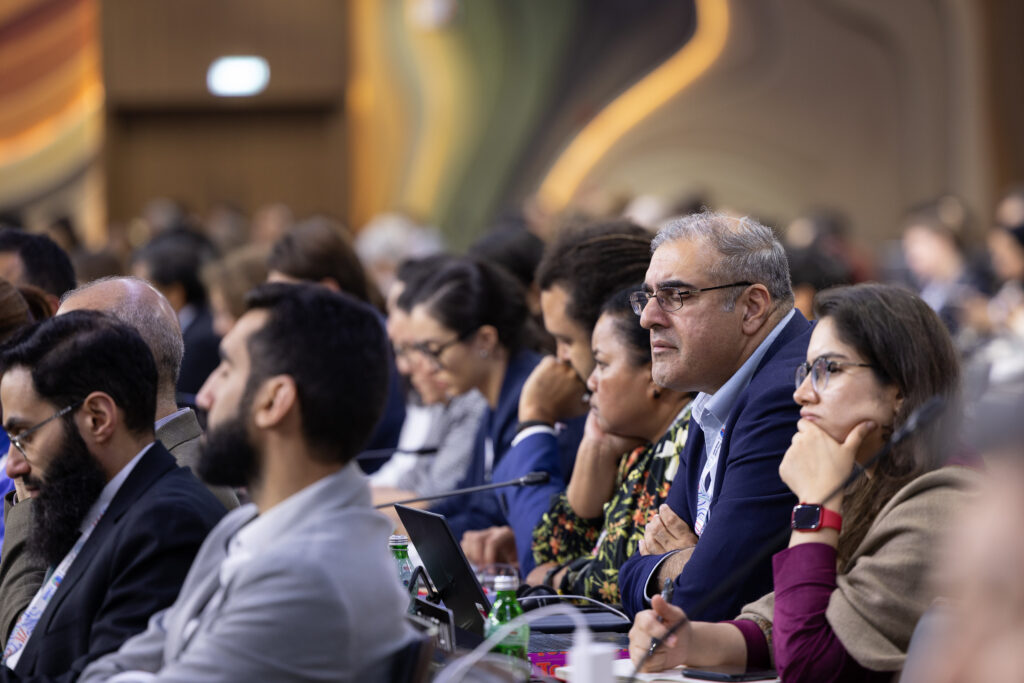
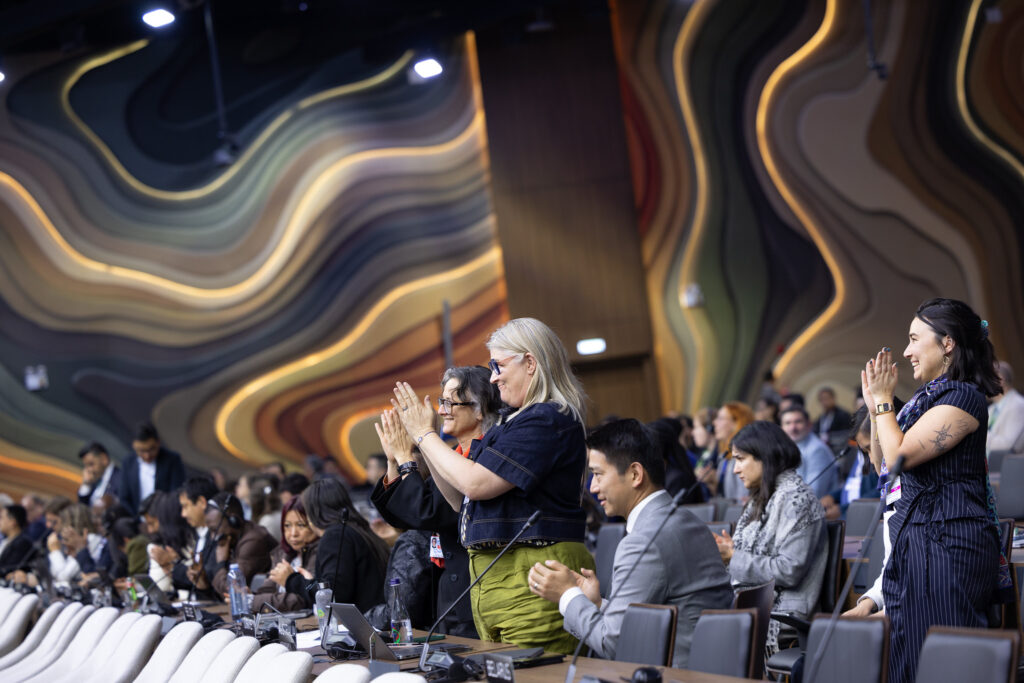
At SB64, Parties held the second of two mandated workshops focused on identifying needs and accessing the means of implementation for climate action in agriculture and food security. A “World Café” exchange brought farmers, Indigenous Peoples, women and young people into discussions about the challenges and opportunities facing food producers. Parties also agreed to continue considering reports from earlier work, including a workshop on systemic and holistic approaches to agriculture, food systems and food security, alongside a synthesis of activities undertaken by UNFCCC bodies and financial institutions.
These discussions will feed into COP31, and Parties are now expected to consider the programme’s progress and outcomes and determine the future direction of agriculture and food security negotiations. For African countries, the priority is to ensure that the conclusion of the SSJWA marks a transition towards implementation, rather than another cycle of consultations and procedural delays.
What does ‘agriculture’ mean?
Beneath the technical discussions lies a deeper disagreement over how climate action in agriculture should be framed. Developing countries have sought to preserve the programme’s emphasis on “agriculture and food security”, adaptation and the means of implementation. Some developed countries, meanwhile, have pushed for greater attention to broader “food systems” or “agrifood systems” approaches.
Although these concepts overlap, the distinction matters in climate negotiations. A broader food-systems approach could encompass emissions across the entire value chain, from production and processing to transport and consumption. Developing countries fear that an excessive focus on emissions reduction could shift attention away from adaptation, food security and the financial support farmers need to cope with climate change.
For African smallholders, whose contribution to global emissions is limited but whose exposure to climate impacts is substantial, negotiators argue that climate action should reflect national circumstances and the principle of common but differentiated responsibilities and respective capabilities.
The concern is not that emissions should be ignored, but that mitigation objectives should not overshadow the urgent need to protect livelihoods, strengthen resilience, and end hunger.
Who pays for it?
Finance remains one of the most persistent barriers to turning agricultural climate commitments into practical outcomes. Developing countries are calling for new, additional, predictable and grant-based funding, alongside technology transfer and capacity-building support. They also want simpler access to climate finance, particularly through the Green Climate Fund, the Adaptation Fund and other funding channels.
For farmers operating on small plots with limited savings, complex application procedures and financing arrangements that create additional debt are putting essential support beyond reach. African priorities therefore include funding that reaches smallholder producers directly, especially women, who play a central role in food production but often face barriers to land, finance, technology and decision-making.