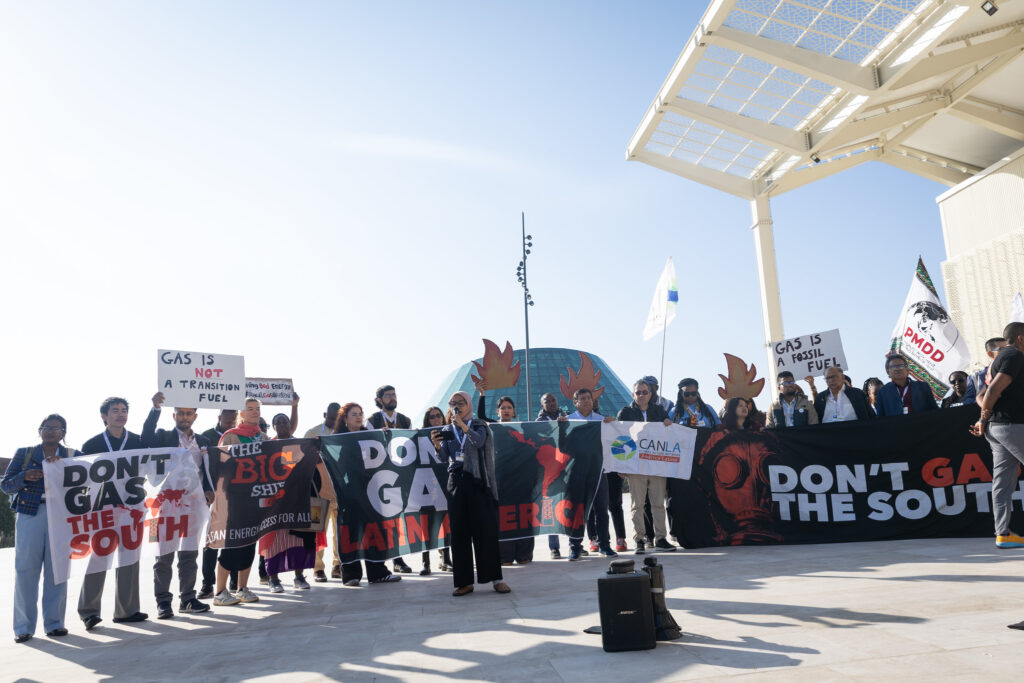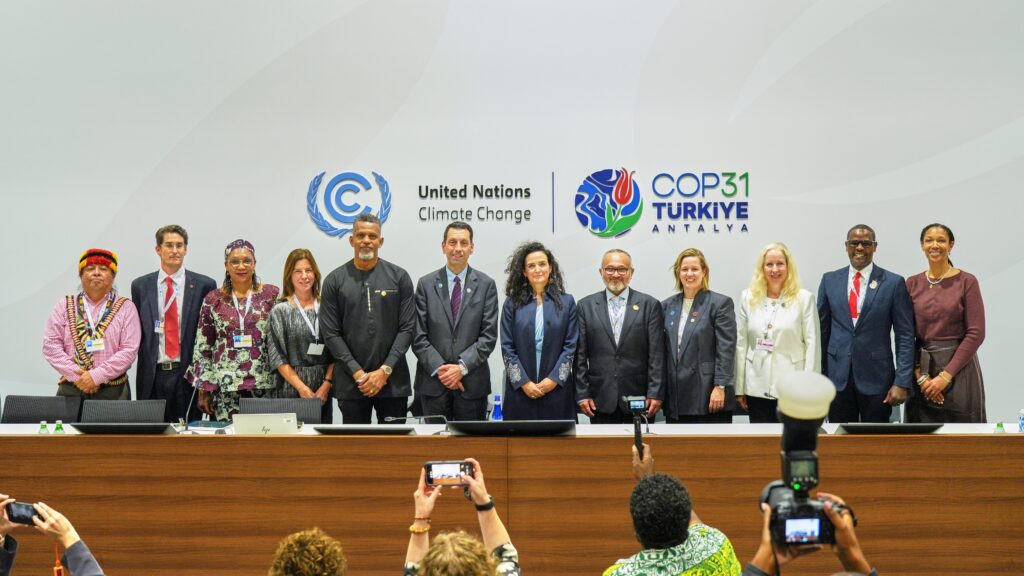
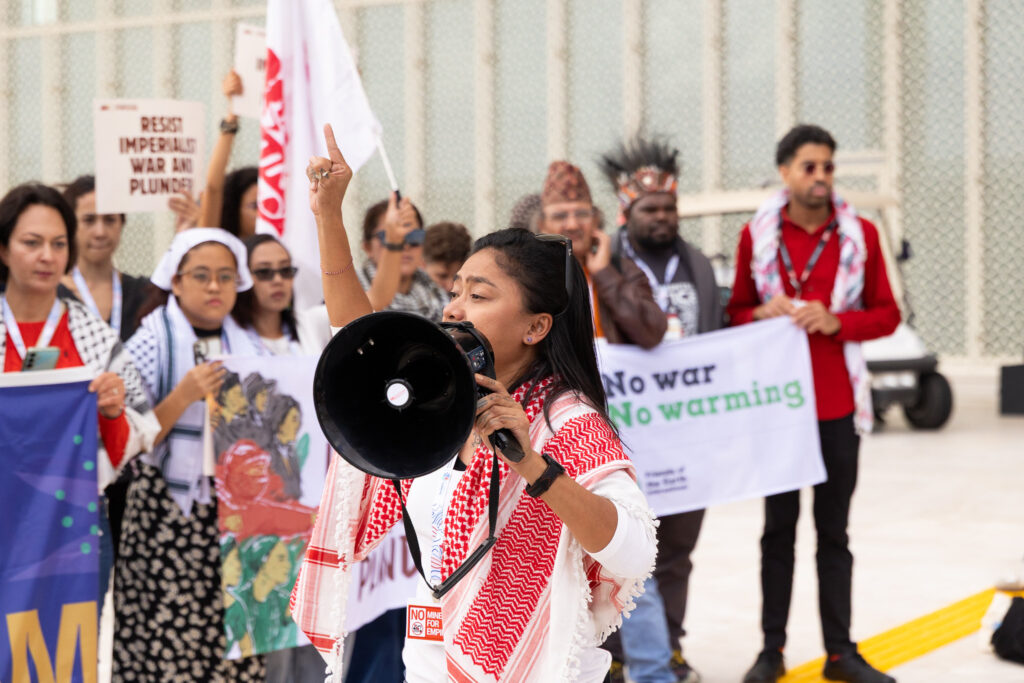
An international coalition representing workers, Indigenous Peoples, feminist movements, young people and frontline communities has called on governments to establish the Belém-Antalya Mechanism (BAM) for Just Transition at COP31, warning that last year’s climate commitments risk becoming empty promises without concrete action.
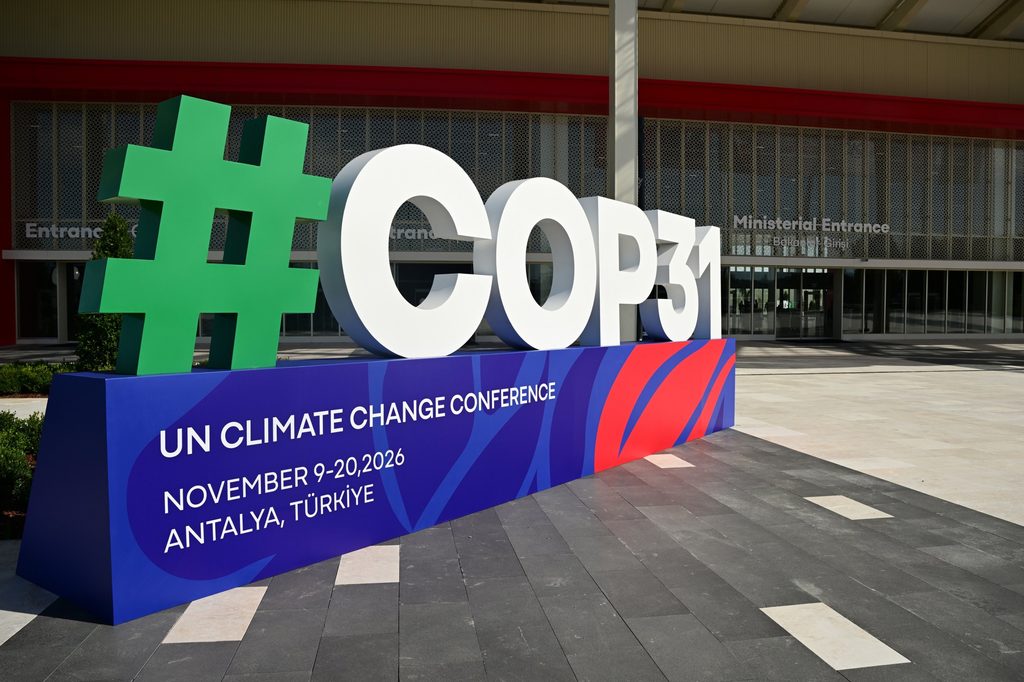
In an open letter addressed to all parties to the United Nations Framework Convention on Climate Change (UNFCCC), the organisations urged governments to agree on the mechanism’s mandate, governance and institutional arrangements at COP31 in Antalya.
The call follows a commitment made at COP30 in Belém, Brazil, to develop an international mechanism supporting a just transition, to make it operational by COP32. The coalition describes that agreement as a breakthrough following years of campaigning by trade unions, Indigenous Peoples, feminists, youth organisations and social movements.
The proposed BAM is intended to strengthen international cooperation and help countries pursue climate action that protects workers’ rights, livelihoods and communities, while addressing inequalities between countries and within societies.
The coalition argues that the urgency has increased amid record global temperatures, expanding fossil fuel production, rising energy costs and widening inequality. It warns that communities least responsible for the climate crisis continue to bear its greatest consequences.
The letter sets out three priorities for governments. First, the mechanism must advance human and labour rights, decent work, gender equality, social protection and the rights of Indigenous Peoples, including their right to free, prior and informed consent and self-determination.
Second, the BAM must have dedicated institutional arrangements and a mandate to provide technical and financial support for just transition strategies, coordinate relevant bodies within and beyond the UN system, and facilitate inclusive knowledge exchange.
Third, workers and affected communities must have meaningful representation in decision-making. The coalition insists that those whose livelihoods are directly affected by the transition must have a seat at the table. Mwanahamisi Singano, Global Policy Director at the Women’s Environment and Development Organization and the Women and Gender Constituency, said COP31 offered an opportunity to demonstrate the value of international cooperation by delivering justice, upholding human rights and honouring existing commitments.
Lidy Nacpil of the Asian Peoples’ Movement on Debt and Development (APMDD) and the Demand Climate Justice Constituency warned that some governments from the Global North were attempting to weaken the proposed mechanism and delay its implementation. She called for a mechanism that provides practical support, gives rights-holders a role in decision-making and becomes fully operational by COP32.
Trade unions have also backed the demand. Bert De Wel of the International Trade Union Confederation said labour rights, social dialogue and effective support for implementation were essential to ensuring that climate policies benefited workers and their communities.
Anabella Rosemberg, Senior Adviser on Just Transition at Climate Action must ensure that the agreement reached in Belém was not lost in further negotiations. The coalition argues that a properly implemented just transition could deliver decent jobs, secure livelihoods, food and energy sovereignty, healthier communities and a liveable environment. It is urging governments to make COP31 the moment when the Belém commitment becomes an operational mechanism, placing workers, communities and human rights at the centre of climate action.