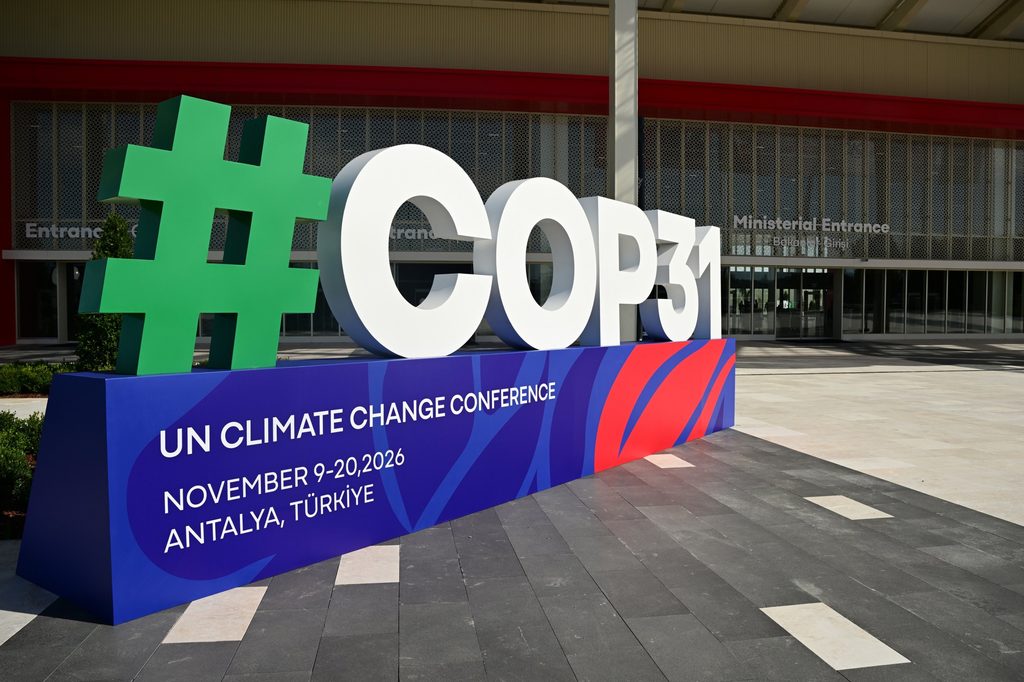
As COP31 approaches its conclusion, deep political divisions in the negotiating rooms continue to threaten meaningful outcomes on public finance, accountability, and the future of the Adaptation Fund, which has a project pipeline demand of US$1.9-US$2.9 billion against available grant resources of only US$455-US$550 million.
In the latest round of pledges in Antalya, major economies US, UK, Canada, France, Italy, and Australia made no new contributions. The Fund faces chronic resource constraints and an unresolved institutional transition. This shortfall has been worsened by the Fund’s failure to meet its annual resource mobilisation target of at least $300 million for four consecutive years.
At COP30 last year, the Adaptation Fund had US$135 million in pledges, representing less than half of the annual target. Even worse, only $50 million in new pledges has been announced at COP31. This is the lowest amount on record. The massive funding gap signals a worrying trend for the implementation of developing countries’ adaptation action plans.
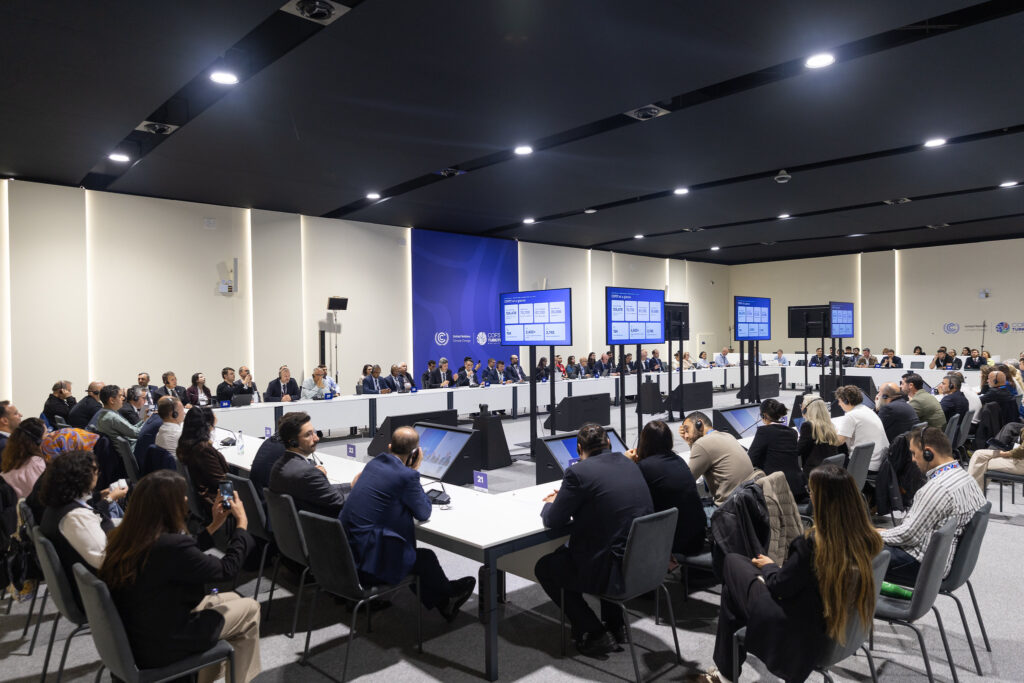
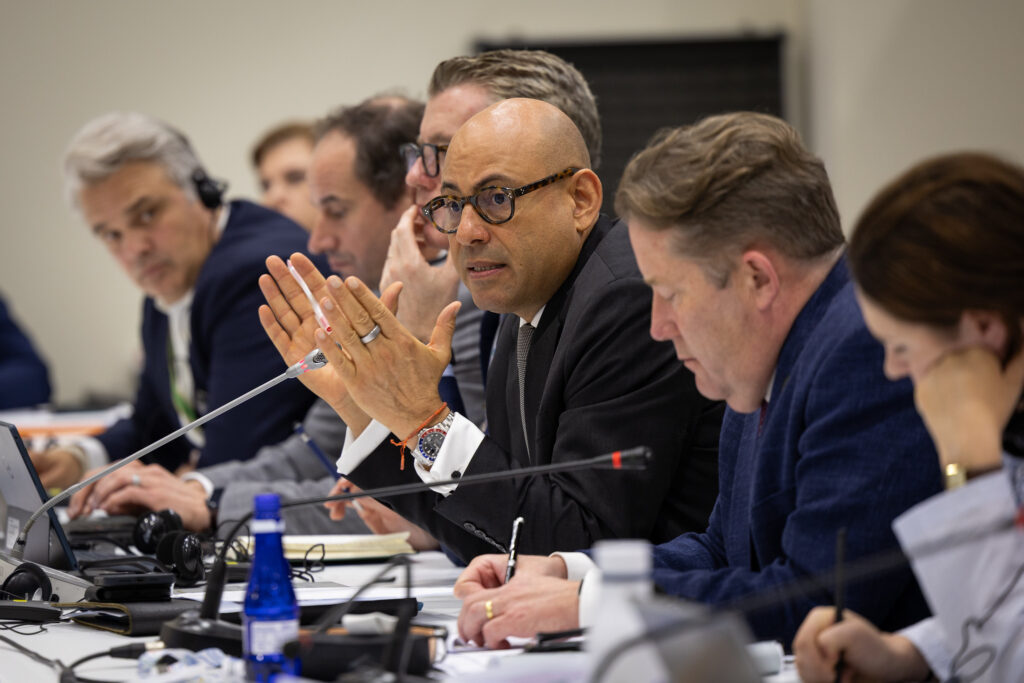
Worryingly, negotiations at COP31 have focused primarily on the Fund’s transition from the Kyoto Protocol to exclusively the Paris Agreement. This is so that it can access additional resources from carbon market mechanisms. However, developed countries have been blocking progress, insisting that governance reforms, including Board composition and terminology changes, are a prerequisite for sustaining their voluntary contributions.
For developing countries, this underscores a troubling contradiction: an increasing focus on reshaping the Adaptation Fund’s governance while public finance contributions continue to decline. It is also a manifestation of rich countries’ long-standing efforts to weaken accountability for existing finance obligations, while shifting the financial burden onto vulnerable nations. This is unjust and unacceptable.
While the Fund’s transition is necessary, it’s not sufficient. Proceeds from carbon markets are a potential resource stream for the Adaptation Fund. But these alone can’t resolve the funding constraints given the inherent market and price risks associated with carbon markets. As such, carbon market proceeds must only be additional to – rather than a replacement for – direct and voluntary financial contributions from developed countries.
Therefore, COP31 must deliver ambitious outcomes that strengthen the delivery of adaptation support where it is needed most by, foremost, resolving the blockade impeding the Adaptation Fund’s transition and urgently call for enhanced contributions from developed country Parties. The outcome must safeguard the Fund’s defining features—full-cost grant financing and direct access for national implementing entities (DAEs)— to ensure funding reaches local communities effectively.
Secondly, the outcome must support an ambitious third replenishment of the Green Climate Fund (GCF), ensuring its long-term sustainability, predictability, and capacity to respond to the growing adaptation needs of developing countries. Crucially, it must ‘‘urge’’ developed countries to significantly scale up contributions in predictable multi-year commitments, and prioritise grant-based finance to strengthen the GCF’s ability to support transformative adaptation action.
Thirdly, it must launch and safeguard the operationalisation of the Climate Finance Work Programme by securing consensus on its scope and modalities. This is the only potential space to strengthen accountability around developed countries’ public climate finance obligations, ensure fair burden-sharing, and deliver on the commitment to triple adaptation finance.
Any attempt to weaken or defer concrete outcomes on adaptation finance and the fulfillment of the public finance obligations of developed countries would be to betray climate-vulnerable countries.
Without rapid, scaled-up finance delivery, the so-called implementation era will remain mere rhetoric, disconnecting the COP ambitions from lived climate realities.
Saada Mohamed is a Climate Finance Advisor at Power Shift Africa