Strengthening African leadership and influence through thought leadership, technical support to African institutions, strategic communications and movement building.
Rooted in African reality, powering Africa's climate and energy leadership, from local action to global influence.
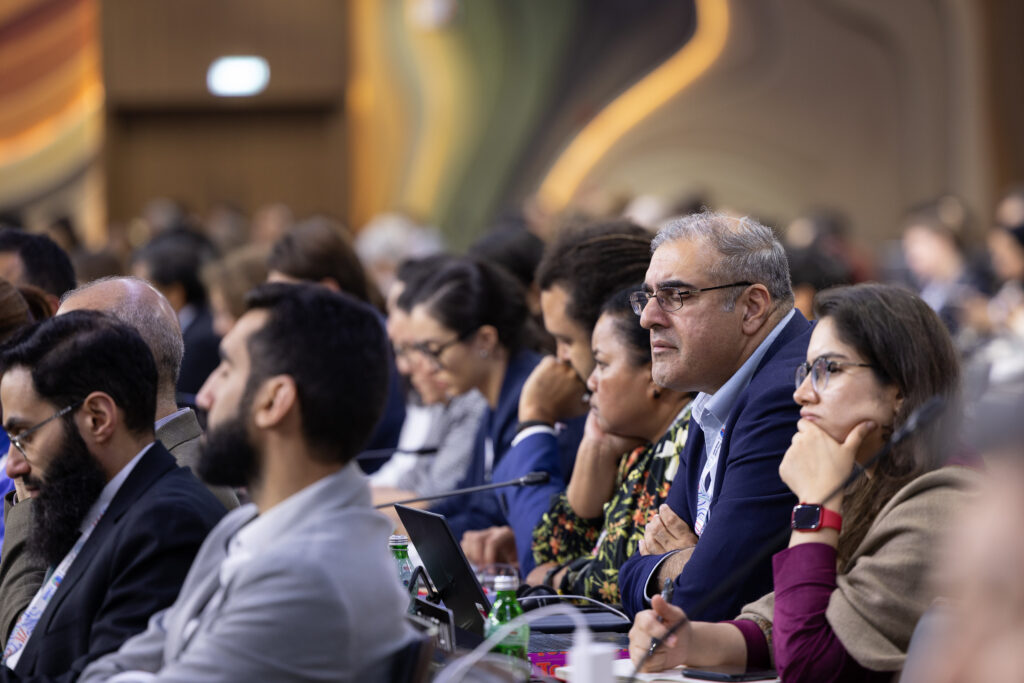
In this blog, we will provide minute-by-minute updates, analyses, intelligence, and insights from negotiations at COP31, focusing on Africa’s priorities and demands.
Ten years after the Paris Agreement, Africa arrives in Turkey as, first, a region bearing some of the heaviest climate costs, and, second, a rights-holder and solution provider that is ready to take the mantle of leadership, both figuratively and literally.
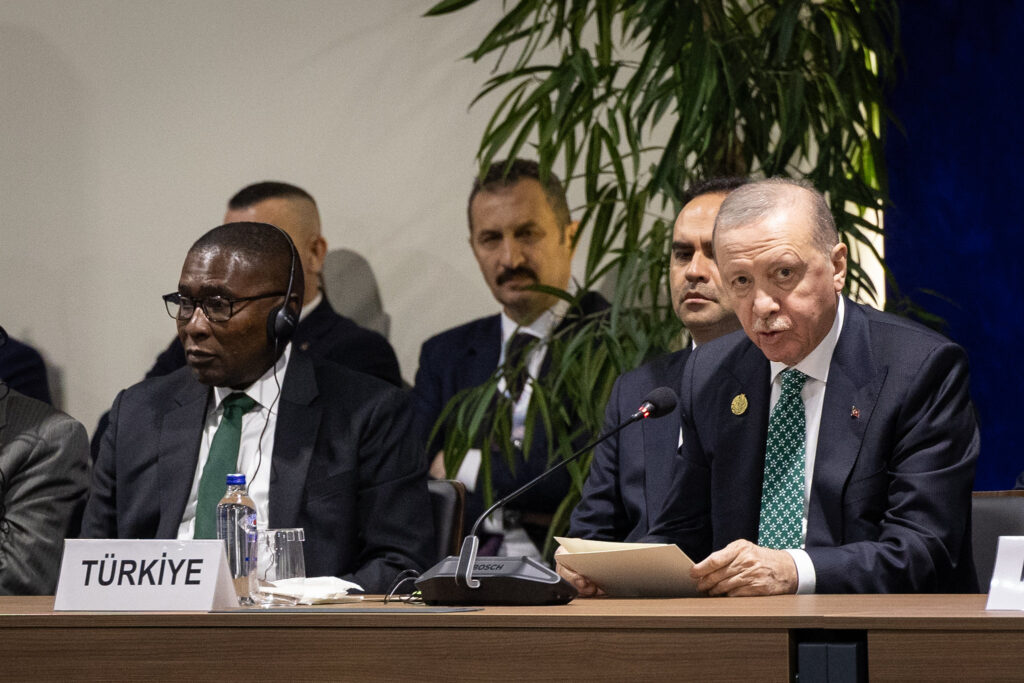
Negotiators are wrestling with language in the overarching ‘‘cover decision’’ regarding how the world addresses a temporary 1.5°C temperature overshoot, deep emissions cuts, and the transition away from fossil fuels. China, the US and India, which produce more than half of global carbon dioxide emissions, did not attend last week’s World Leaders Climate Action Summit.
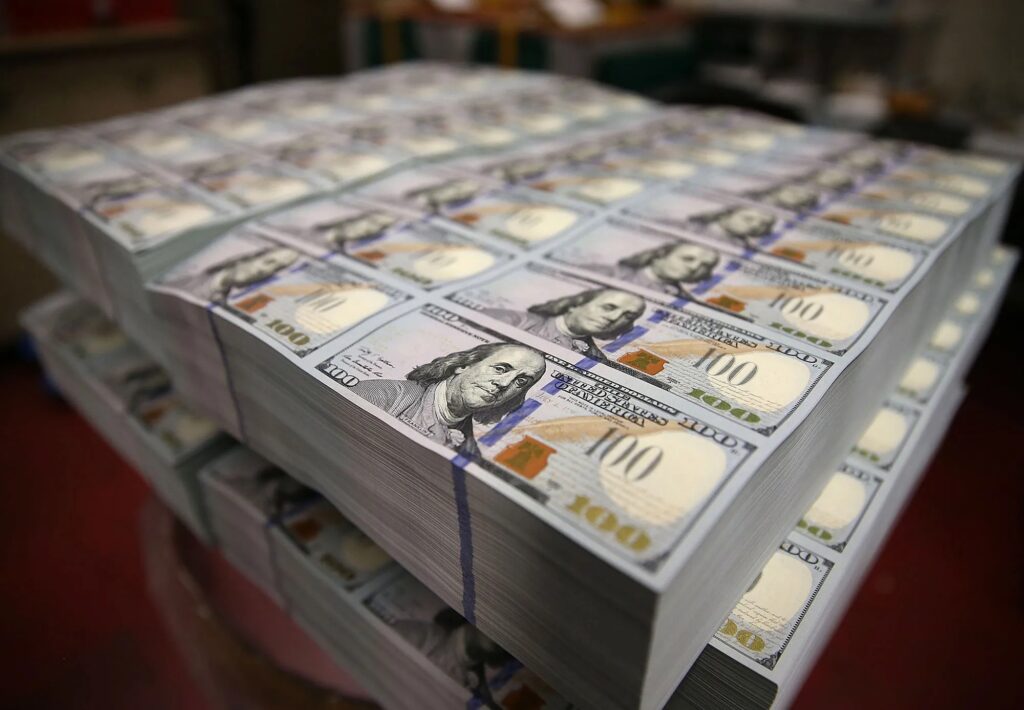
Throughout last week, developed and developing countries clashed over the means to finance climate action, with groups such as G77 and China demanding concrete pathways to meet broader finance targets, such as the $1.3 trillion annual goal by 2035, and specifically tripling adaptation to $120 billion annually.
Turkey’s COP31 Presidency continued to promote global electrification as part of its COP31 Action Agenda. Backed by an International Energy Agency (IEA) report, the presidency says electricity demand has grown more than twice as fast as overall energy use since 2019, driven by, among others, electric vehicles, heat pumps, air conditioning, and artificial intelligence.
Outgoing UN Secretary-General António Guterres made his final address to a COP in his position, reminding world leaders that fossil fuels must go the way of dinosaurs, urging governments to impose windfall taxes on oil and gas companies to fund climate action.‘‘You cannot build peace on a burning planet,’
Africa approaches COP31 while facing intensifying climate impacts alongside profound development challenges. Droughts, floods, heatwaves and other extremes are already undermining food and water security, infrastructure, livelihoods and development gains. At the same time, many African countries face high debt burdens, constrained fiscal space, high borrowing costs, inadequate energy access, and structural inequalities in global finance, trade and technology.
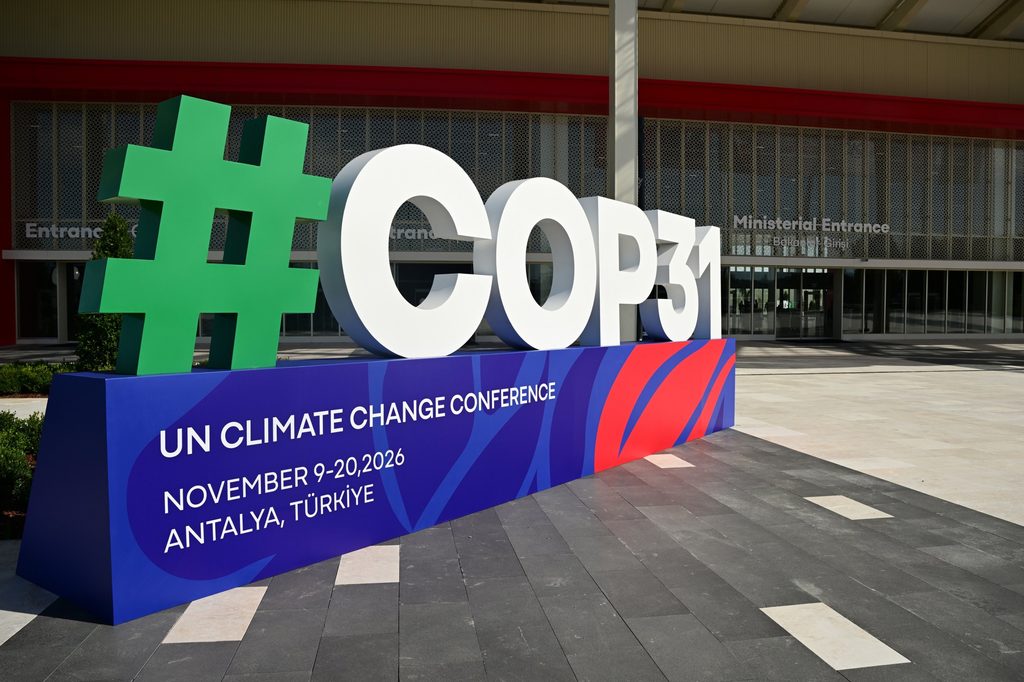
This policy brief provides an African perspective on key thematic priorities for the upcoming 31st session of the Conference of the Parties (COP31), taking place in Antalya, Türkiye, in November 2026. It aims to support African negotiators, policymakers and civil society in advancing a coherent justice- oriented African strategy and narrative in the lead up to and during COP31.
Mobilise climate action in Africa, Amplify African voices through increased visibility in media; and Leverage this voice internationally.
We seek a development pathway that advances energy sovereignty and economic transformation while strengthening climate resilience and accelerating low-emission development.
We seek a climate-resilient Africa where communities, ecosystems and economies can adapt and thrive in a changing climate.
We seek a financial system that advances financing sovereignty and delivers equitable and accessible climate finance in support of Africa’s climate and development priorities.
We seek stronger African leadership, coordination and influence across climate and energy governance, resulting in outcomes that support resilience, sustainable development and a just energy transition.
We work with reporters, editors, media organisations and champions to strengthen climate reporting and support more accurate, nuanced and solutions-oriented storytelling.
Through coalitions and platforms, we help build shared agendas, strengthen collective advocacy and connect local priorities with national, continental and global processes.
Sign up for news, stories and analysis from Power Shift Africa.