UNEP’s 2026 Adaptation Gap Report, published on the eve of these talks, states plainly that global warming is now set to exceed 1.5°C. The threshold we spent a decade promising to defend is being crossed. From Maputo to London, from Lilongwe to Kathmandu, people are living different faces of the same crisis. The world is not climate safe.
If the world will not cut emissions fast enough to stay below 1.5°C, it owes the people on the front line the means to survive what comes next. That is what adaptation is: keeping people alive, protecting harvests, keeping children in schools that do not wash away. And on Monday, the opening day of this summit, the world signalled again that it is not ready to pay for it.
The African Group of Negotiators asked for a dedicated agenda item on tripling adaptation finance. It was not a radical request. Only a year ago in Belém, every government agreed to call for efforts to at least triple adaptation finance by 2035. Africa asked for dedicated negotiations to turn that promise into a plan.
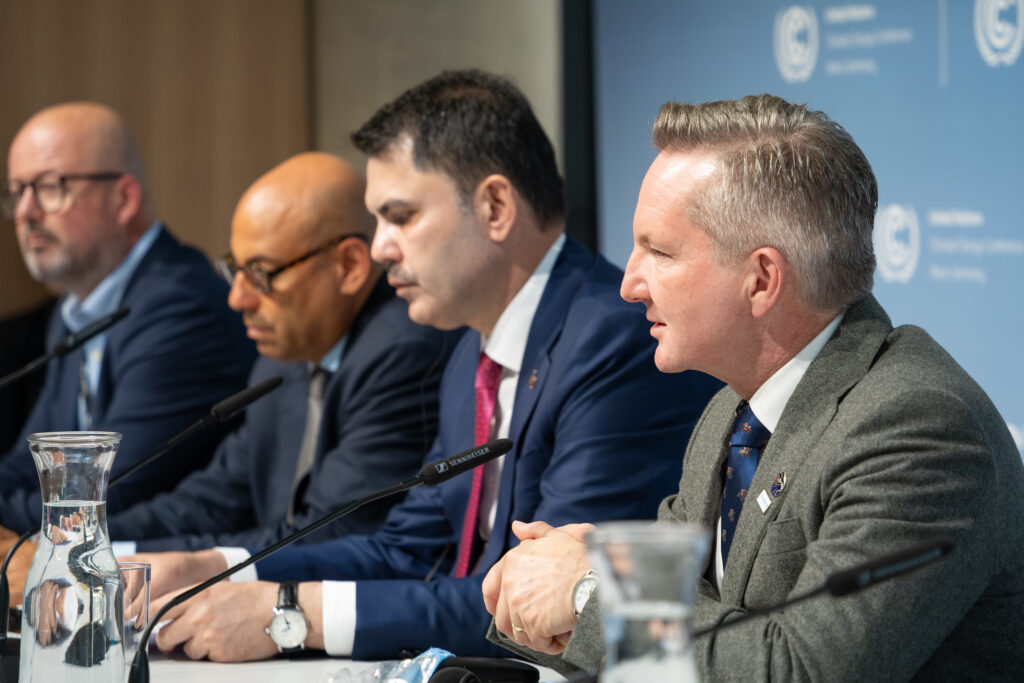
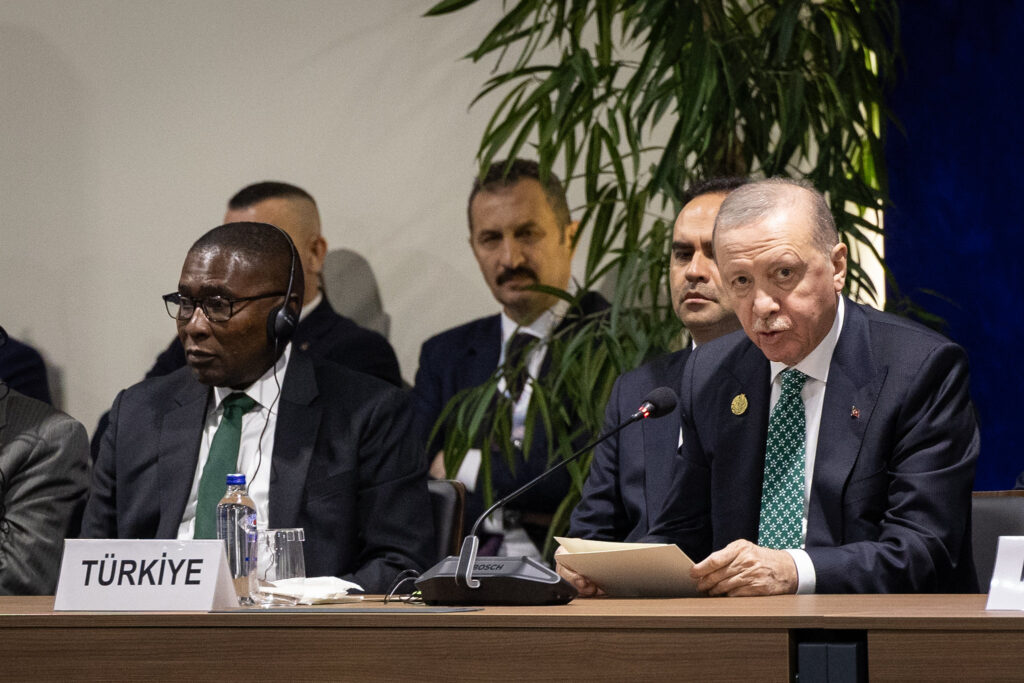
The request did not survive. The European Union objected on procedural grounds, even as it reaffirmed its commitment to the goal. The COP31 Presidency ruled the item out, assuring us that adaptation finance can still be raised under existing agenda items.
Let us be clear about what was lost on Monday. It was a procedural point, not the argument. No one in Antalya has stood up to say that tripling is wrong, or that Africa does not need the money. The commitment made in Belém still stands. What was denied was a dedicated space to agree a baseline, a funding target, a timetable and who pays. African negotiators must now press for those decisions across the existing agenda. A promise with no starting point cannot be measured, and a promise that cannot be measured cannot be enforced.
The numbers explain why Africa refuses to let this slide. Developing countries need around US$305 billion a year for adaptation, according to UNEP. Adjusted for inflation, that rises to roughly US$420 billion by 2035. What actually flowed from developed to developing countries in 2024 was around US$26 billion. Even the modest Glasgow promise to double adaptation finance to about US$40 billion by 2025 remains in doubt.
Now consider tripling. Depending on the baseline, it would deliver between US$85 billion and US$120 billion a year by 2035. UNEP’s verdict is stark: even full delivery would meet only 20 to 29 per cent of developing countries’ needs. Tripling is the minimum starting point, not a measure of what is needed.
Africa needs about US$70 billion a year to adapt. It receives around US$14 billion. African governments now spend more on adaptation from their own stretched budgets than they receive internationally. Africa is being forced to divert scarce public funds to a crisis it did little to cause. That is why US$120 billion a year by 2035, measured from the US$40 billion doubling baseline, must be locked in as a floor and why African negotiators must not let it quietly become the ceiling. Antalya should set that floor. Addis Ababa, at COP32, must set a goal based on what communities actually need.
Quantity is only half the scandal. The other half is quality. Roughly 57 per cent of the adaptation finance reaching Africa comes as loans. Of the US$101.6 billion in public climate finance provided in 2024, US$68.5 billion came as loans and just US$29.7 billion as grants. In 2022, US$62 billion of climate finance generated up to US$88 billion in repayments. Nearly 60 per cent of Africans live in countries that spend more servicing debt than on health and education.
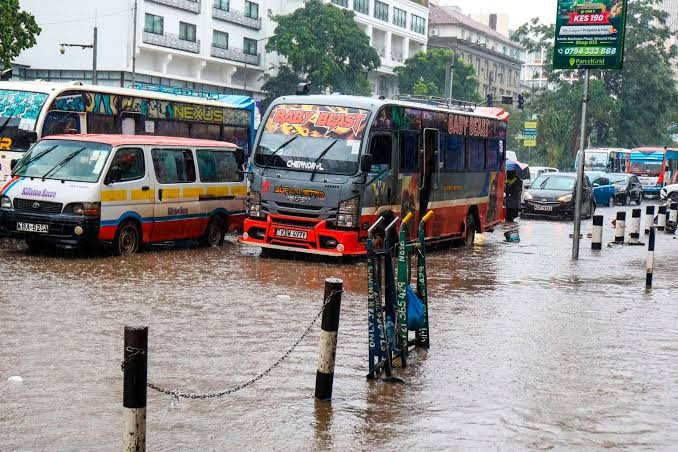
Ask a farmer in Turkana, or a family in Mokwa, Nigeria, where floods killed around 200 people in May 2025, why protection should mean taking on more debt. Families should not be left repaying the cost of survival long after the floodwater has gone. Finance that deepens debt does not build resilience. It manufactures the next crisis.
Article 9.1 of the Paris Agreement says developed countries shall provide finance to developing countries. Last year, the International Court of Justice confirmed that obligation in law. Africa contributed least to this crisis, and it should not have to borrow to survive it.
The other big fight in Antalya is over the Global Goal on Adaptation, an idea Africa itself first proposed in 2013. Belém gave the world 59 indicators to track progress. Bonn collapsed in June without agreement on how to take them forward.
Africa welcomes measurement. What it will not accept is new reporting burdens and funding conditions imposed on the countries least responsible, without the support needed to meet them. Indicators must be voluntary and country-driven, governments must lead the process, and finance, technology and capacity building must sit at the heart of the goal. Belém gave us the indicators. Antalya must give us the means. An adaptation goal without finance measures the damage. It does not prevent it.
There is a temptation to treat all of this as a North-versus-South quarrel over money. It is not. Heatwaves are killing people in Europe. Floods are swallowing towns in Asia and the Americas. Citizens in the United Kingdom and across the European Union are demanding adaptation plans from their own governments. Nobody is safe in a world where some are left exposed.
But shared danger does not mean shared responsibility. Those who did most to cause this crisis, and who have the greatest capacity, must do most to make the world safe. Governments that found trillions for bank bailouts, for pandemic recovery and for weapons can find billions for flood defences, early warning systems and drought-resilient seeds.
That is a choice, not a constraint.
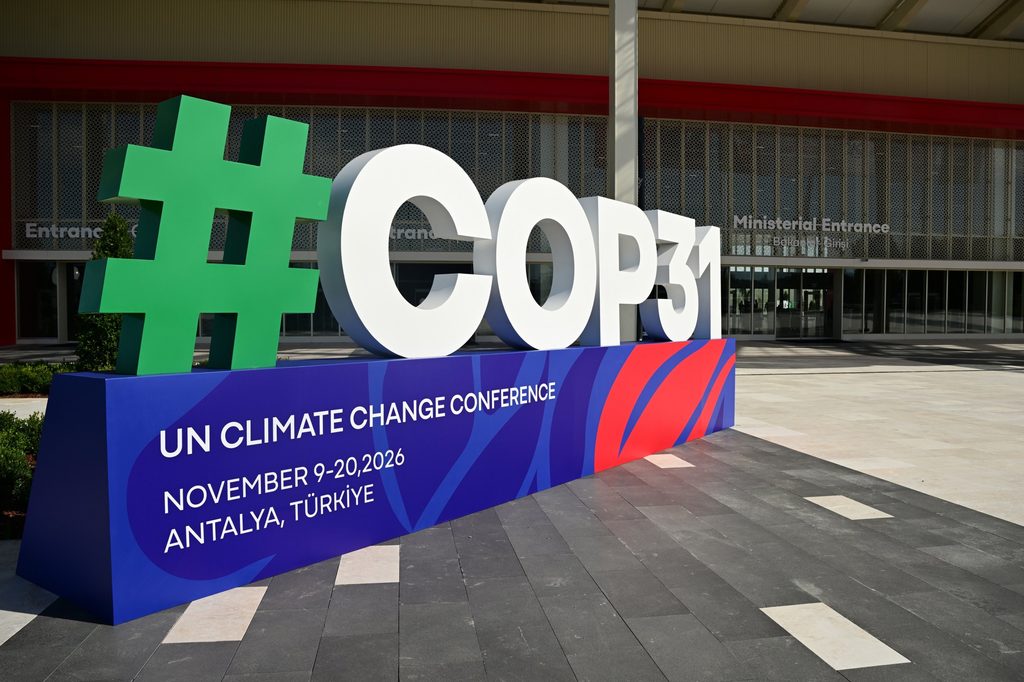
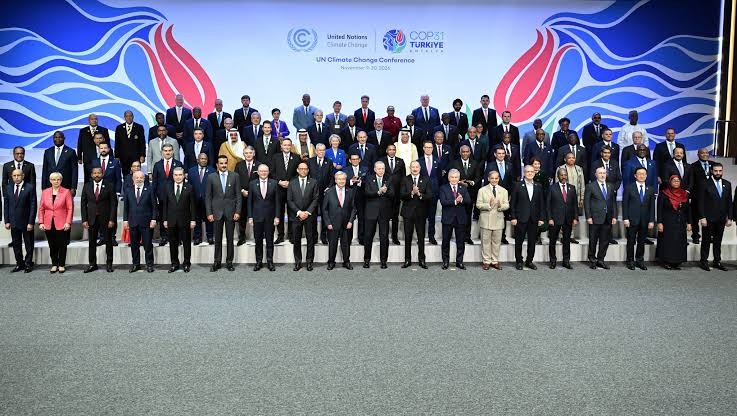
Antalya calls itself the implementation COP. Implementation means one thing above all: help that arrives before the next flood. African negotiators must leave here with a clear finance floor and a timetable for delivery.
Addis Ababa must then secure a goal that reflects what communities need.
The test is whether that money reaches people in time to protect their homes, harvests and lives.
Mohamed Adow is the Diretor of Power Shift Africa