The 35 by 35 pledge could transform the global energy system. But without a commitment to replace fossil fuels and deliver affordable finance for Africa, it risks becoming another headline target that fails to deliver.
The world is entering the age of electrification. Electric vehicles, renewable power and cleaner industrial technologies are transforming the global economy. This is an enormous opportunity, particularly for Africa, where clean electricity could unlock a new era of industrial development and prosperity.
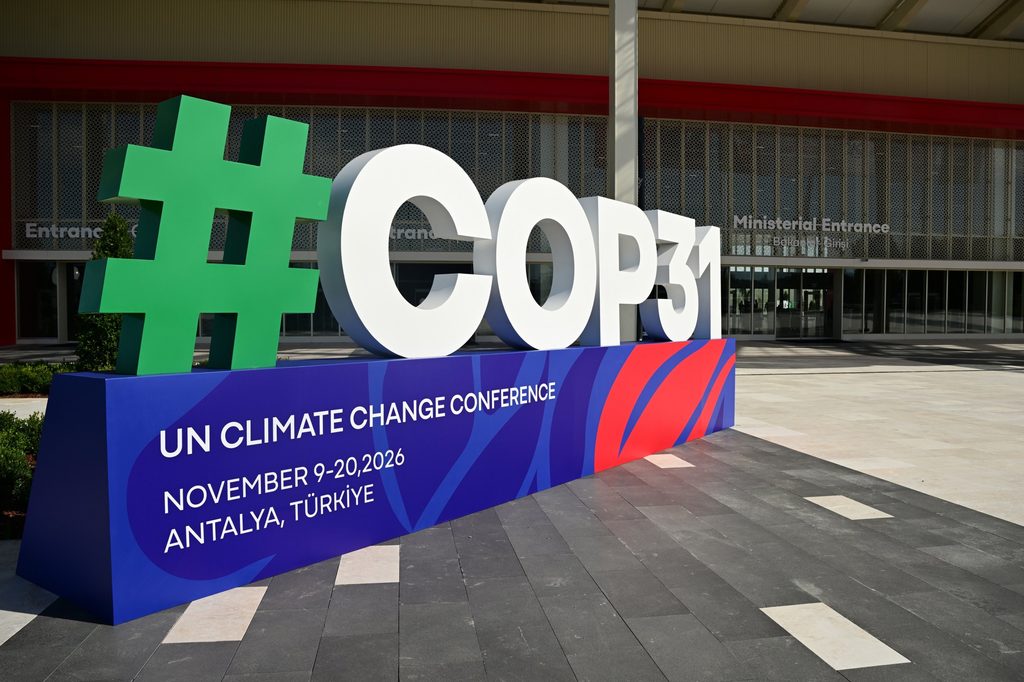
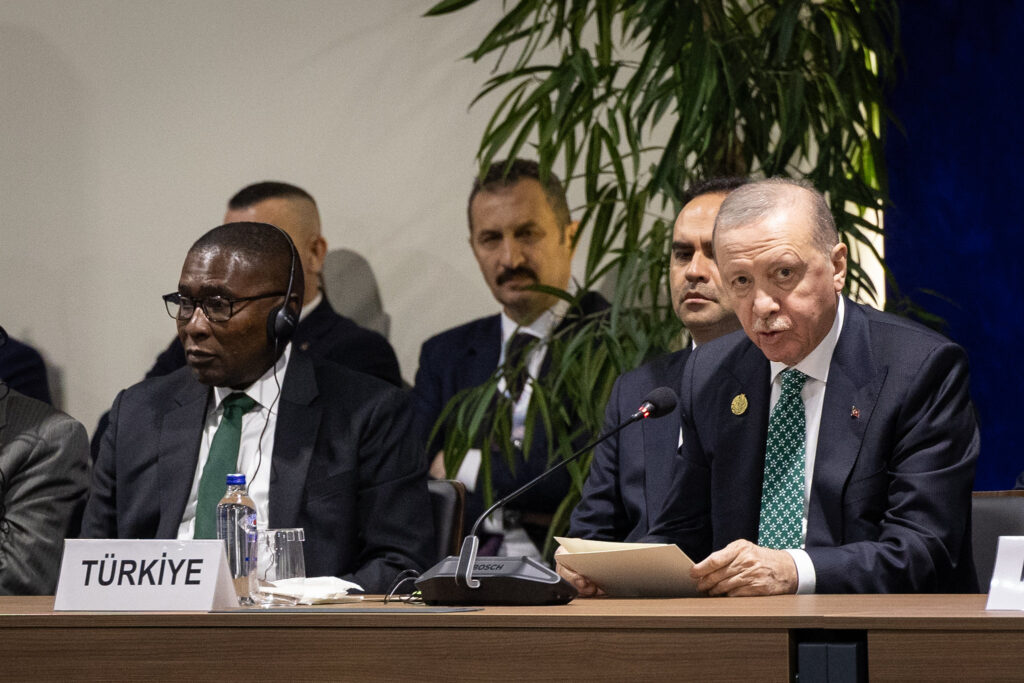
So the decision by Türkiye and Australia to make electrification a flagship initiative at COP31 should be welcomed. Their proposed 35 by 35 goal, increasing electricity’s share of global final energy consumption from around 23 per cent today to 35 per cent by 2035, could accelerate this transformation.
But there is a serious flaw in the proposal. It promotes electrification without ensuring that the additional electricity comes from renewable sources or that it replaces fossil fuels.
Electrification is not automatically decarbonisation. A factory switching from coal to renewable electricity is a major climate achievement. But building new gas-fired power stations to meet rising electricity demand can increase electrification while prolonging dependence on fossil fuels.
At COP28 in Dubai, governments agreed to transition away from fossil fuels. Three years later, COP31 should be taking that commitment forward, not creating a target that could be achieved without delivering it.
The pledge acknowledges renewable energy but does not explicitly require additional electricity demand to be met by renewables. This is a dangerous omission. A target intended to accelerate the clean energy transition must not provide political cover for expanding fossil fuel infrastructure.
Africa cannot be an afterthought
There is another fundamental weakness in the proposal. It is a global target that does not adequately address the enormous differences between countries.
For wealthy economies, electrification largely means replacing existing fossil fuel technologies. Petrol cars become electric vehicles. Gas boilers are replaced by heat pumps. Factories switch from fossil fuels to electricity.
For Africa, the challenge is different. More than 600 million Africans still lack access to electricity. We are not simply replacing one energy system with another. In many places, we are building an energy system that does not yet exist.
Electrification for Africa must therefore mean providing universal access to reliable, affordable electricity while using renewable energy to drive economic development.
That means electricity for factories, irrigation, food processing, hospitals and schools. It means creating jobs, strengthening African manufacturing and reducing dependence on imported fossil fuels.
Africa possesses 60 per cent of the world’s best solar resources, yet receives just 2 per cent of global clean energy investment. That extraordinary imbalance illustrates how far the world remains from an equitable energy transition.
The 35 by 35 target could theoretically be achieved through rapid electrification in China, Europe and other major economies while hundreds of millions of Africans remain without power. That might count as success on a global spreadsheet, but it would represent a profound failure of climate justice.
A credible goal must therefore measure not only electricity consumption but whether access is expanding, power is affordable and developing countries are benefiting.
Where is the money?
Perhaps the most troubling weakness of the pledge is its failure to answer the question that matters most for developing countries: who will pay?
The International Energy Agency estimates that achieving the electrification ambition will require more than $1 trillion in additional annual investment in electric technologies across transport, buildings and industry. Expanding electricity grids and generation will require substantial further investment.
Yet the pledge contains no quantified financing commitment or agreement on how costs will be shared.
The launch of the Electrify Now Finance Coalition at COP31 is welcome, particularly its focus on developing countries. But creating another coalition is not the same as delivering affordable finance at the scale required.
Africa does not lack renewable energy potential. It lacks access to affordable investment. High borrowing costs make clean energy projects far more expensive than comparable investments in wealthy economies.
Electrification also requires grids, storage, transmission lines and skilled workers. In rural communities, decentralised renewable systems can provide electricity without waiting for national grids to expand.
We cannot keep asking developing countries to embrace ambitious global targets while failing to provide the means to achieve them.
Make 35 by 35 worth delivering
None of this is an argument against electrification. Quite the opposite. Power Shift Africa strongly supports accelerating the transition to clean electricity. We believe Africa can become one of its greatest beneficiaries.
But if Türkiye and Australia want 35 by 35 to become a defining achievement of COP31, they must strengthen it.
The goal must explicitly prioritise renewable electricity and the displacement of fossil fuels. It must recognise different national starting points, with universal electricity access central to its success. And it needs a credible financing plan, including grants and affordable lending, rather than relying on hopes that private investors will provide the money.
The twentieth century was built around combustion. The twenty-first century will increasingly be built around electricity. But the transition will not be judged by how much electricity the world consumes. It will be judged by where that electricity comes from, who can access it and who benefits from the economic opportunities it creates.
A target that increases electricity consumption without reducing fossil fuel dependence is not enough. And a global electrification revolution that leaves Africa behind cannot be called a success.
COP31 has an opportunity to get this right. Türkiye and Australia need to make sure it does.
Mohamed Adow is the Director of Power Shift Africa