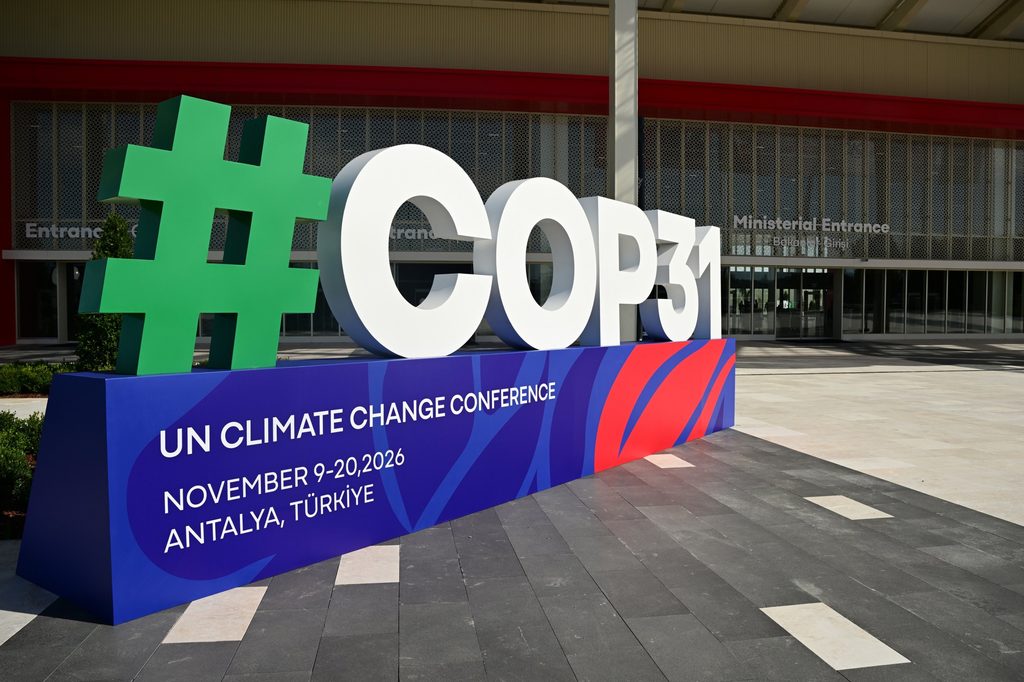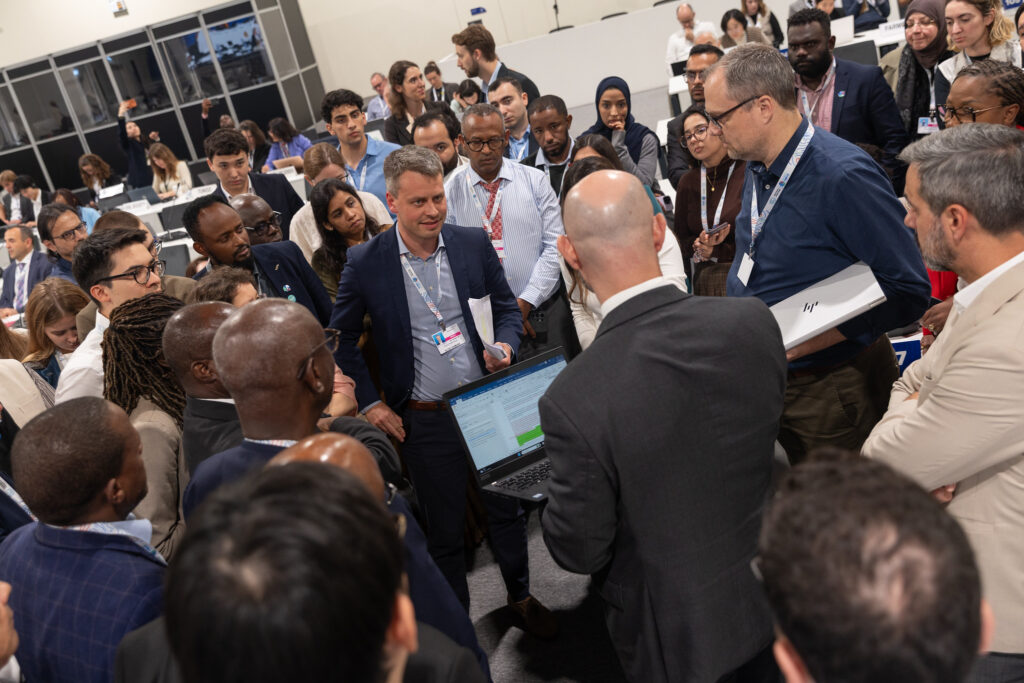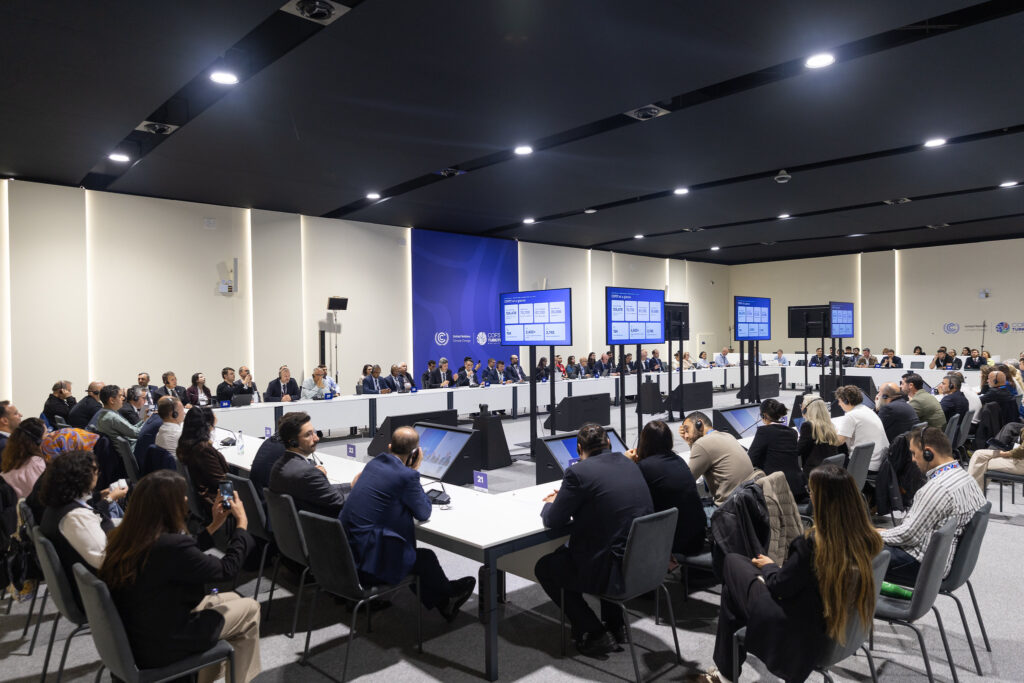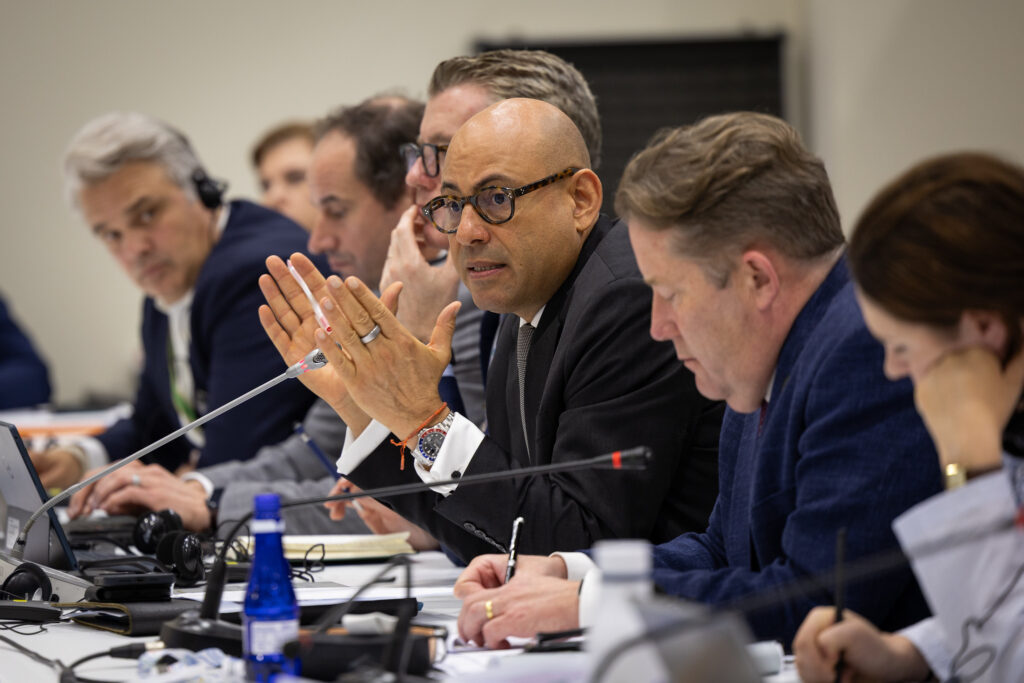
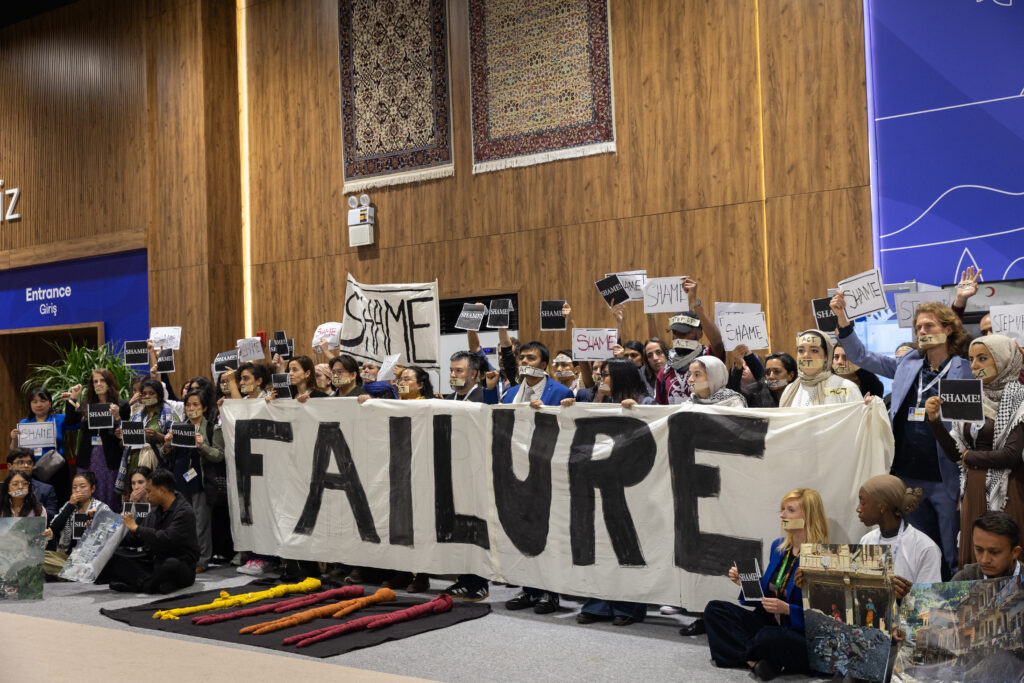
Negotiations at this year’s COP31 in Antalya, Turkey, have, once again, gone into overtime. Parties have failed to reach a deal. Several major divisive issues stand in the way. These range from language on transitioning away from fossil fuels, climate finance, to climate science timelines and carbon removal technologies. This isn’t the first COP to extend for hours, or even days.
Below we examine some of the climate summits that have extended and the disputes involved.
COP20, Lima, Peru: 30 hours
The summit stretched more than thirty hours past its deadline as developed and developing nations clashed over how to structure national emissions pledges ahead of the Paris talks, particularly whether wealthy countries should bear distinct, legally binding responsibilities.
COP21, Paris, France: 24 hours
A year later, talks in Paris ran nearly a full day overtime to finalise the historic Paris Agreement, delayed by late-night disputes over long-term temperature goals, finance transparency, and a last-minute syntax scramble over whether developed countries ‘‘shall’’ or ‘‘should’’ lead economy-wide cuts.
Similar friction resurfaced at COP24 in Katowice in 2018, which extended into Saturday night as Brazil clashed horns with other Parties over accounting rules for international carbon markets.
COP25, Madrid, Spain: 44 hours
The longest marathon in summit history occurred at COP25 in Madrid in December 2019, which dragged on for a record forty-four hours beyond schedule. Intended to finalise the Paris Agreement’s rulebook, the talks collapsed into bitter gridlock over Article 6 carbon trading. Major emitters and emerging economies fought over preventing the ‘‘double counting’’ of emissions reductions, and whether older, questionable carbon credits from the Kyoto Protocol era could carry over into the new system.
COP26, Glasgow, Scotland: 24 hours
Overtime returned at COP26 in Glasgow in 2021, with negotiations running a day late and ending in high drama when India, backed by China, intervened at the eleventh hour to soften text calling for a coal ‘‘phase-out’’ into ‘‘phase-down’’ of unabated coal power.
COP27, Sharm-el-Sheikh, Egypt: 39 hours
At COP27 in Sharm El-Sheikh in 2022, the summit pushed nearly forty hours into Sunday as vulnerable nations fought their wealthy counterparts to secure a landmark Loss and Damage fund for climate-ravaged countries, while European delegates fought back attempts to weaken emissions targets.
COP28, Dubai, UAE: 24 hours
Recent summits have only intensified these late-night collisions.
In December 2023, COP28 spilled into an extra day as oil-producing states clashed with a broad coalition demanding fossil fuel elimination, ultimately yielding a compromise pledge to ‘‘transition away’’ from fossil fuels.
COP29, Baku, Azerbaijan: 35 hours
This COP ran overtime amid fury from developing nations over a $300 billion annual climate finance goal they condemned as inadequate.
Most recently at COP30 in Belém, Brazil, talks pushed past the scheduled close as the European Union and oil-producing nations disagreed over omitted fossil fuel phase-out language and adaptation metrics.
James Kahongeh leads meadia and communications at Power Shift Africa