In the news
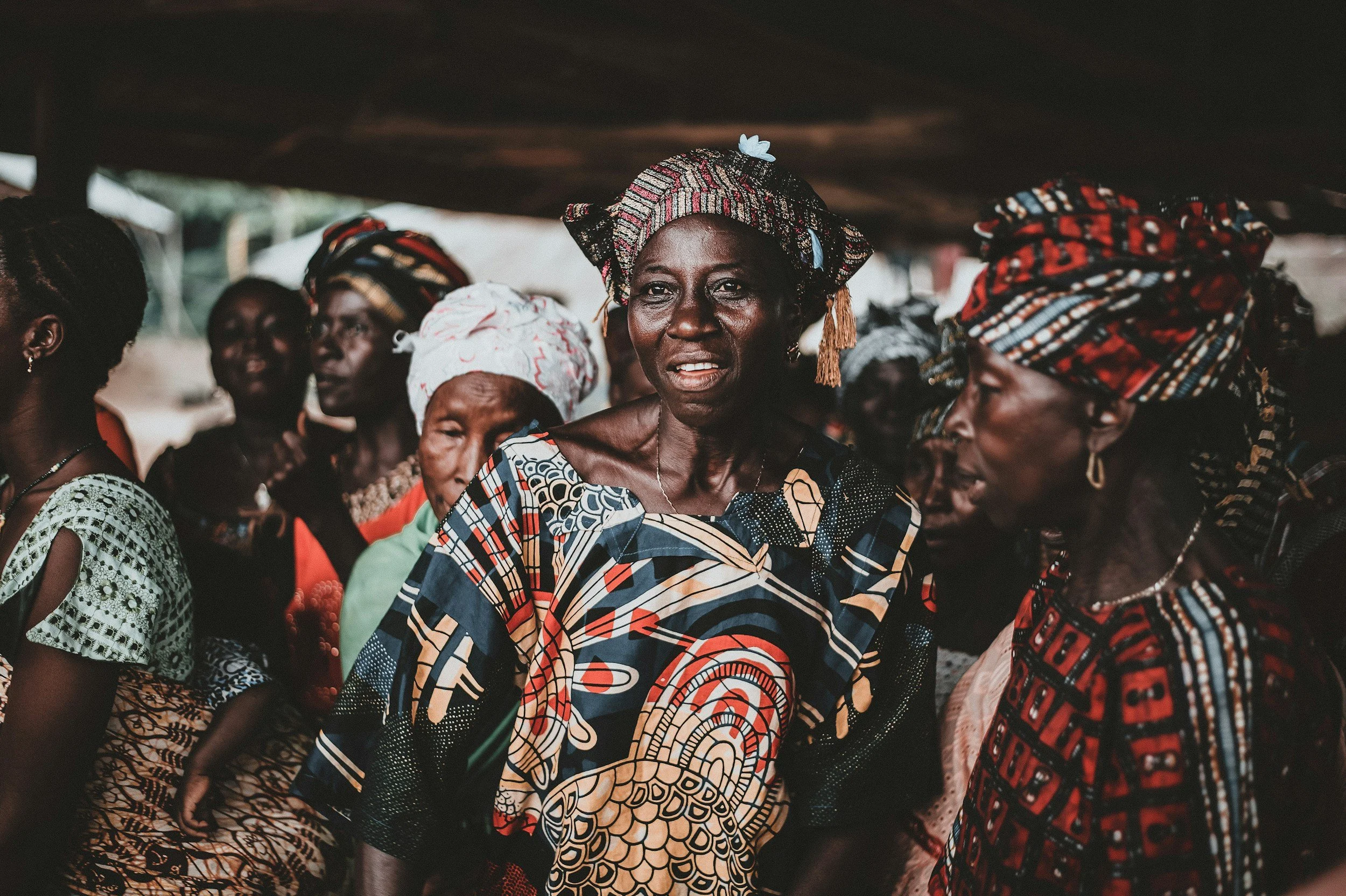
Knowledge Justice: Centring African People and Knowledge in Adaptation
Our new report, A Just Transition for Adaptation, calls on global scientific and policy platforms to revise what counts as valid evidence. The report says that indigenous knowledge, lived experience, community generated data, and citizen science must be integrated into conventional scientific evidence.
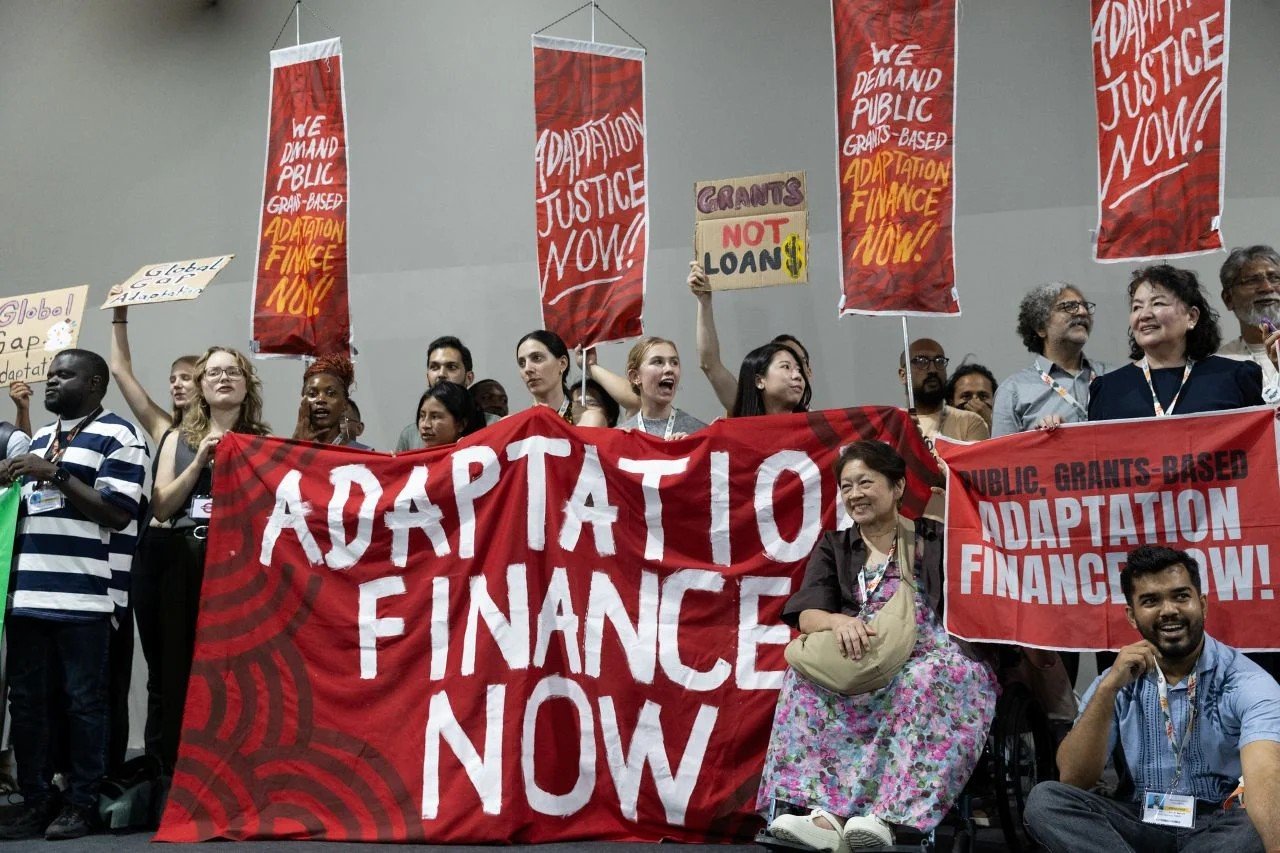
We Cannot Build a Just, Climate-resilient Future on Unjust Systems
Restoring harm that climate impacts inflict on communities, finds the report, A Just Transition for Adaptation, requires compensation through grant-based, grant-equivalent support, debt cancellation, legal mechanisms, recognition of Africa’s unique climate circumstances, and equitable access to, and ownership of, technologies.
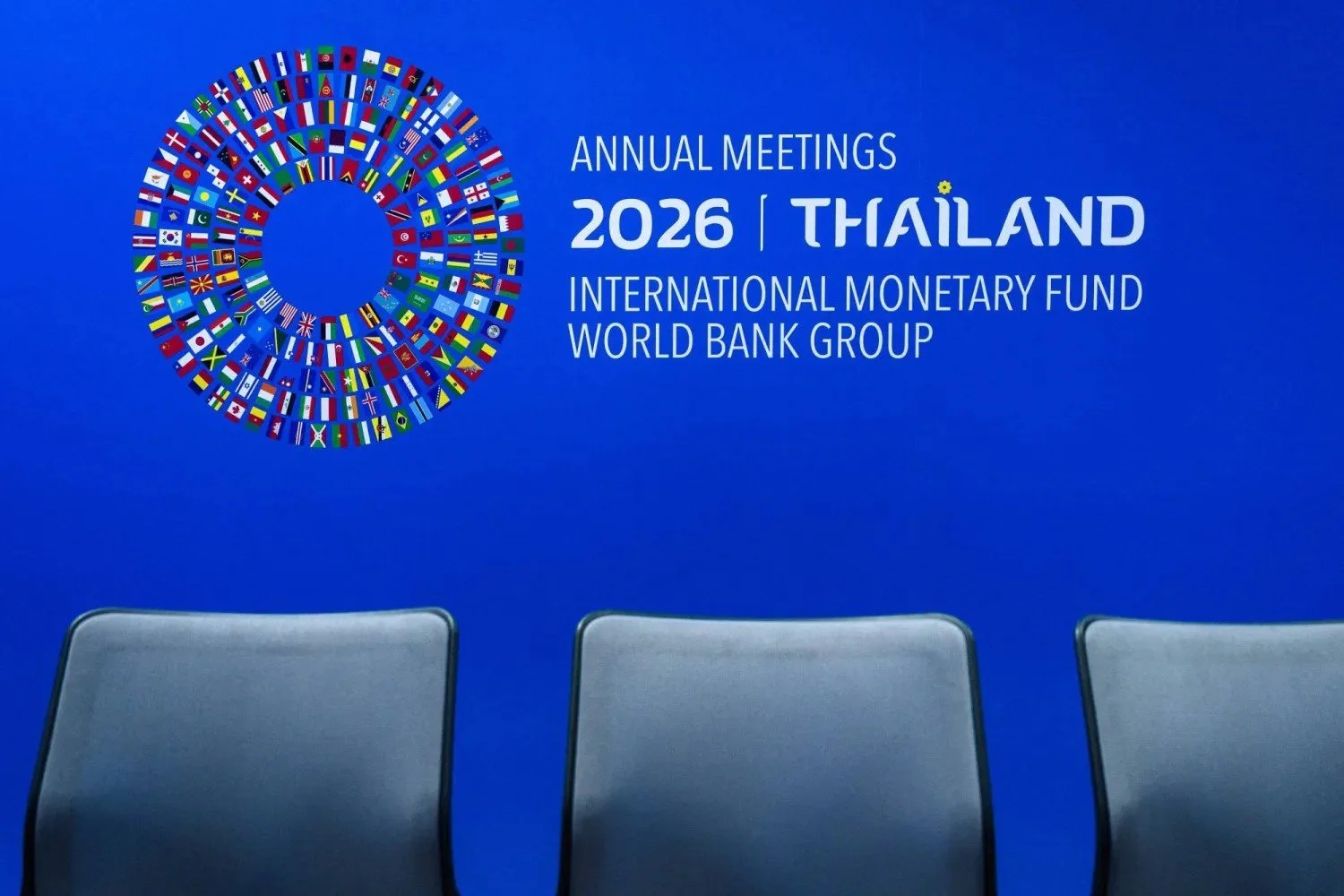
Inside the Xingu Finance Talks at the World Bank, IMF Annual Meetings
The Xingu Finance Talks are meant to connect the climate process with the institutions that move money. Bangkok should be remembered as the place where that link was made real. For Africa, there’s a real chance to turn a protracted grievance into money and action.
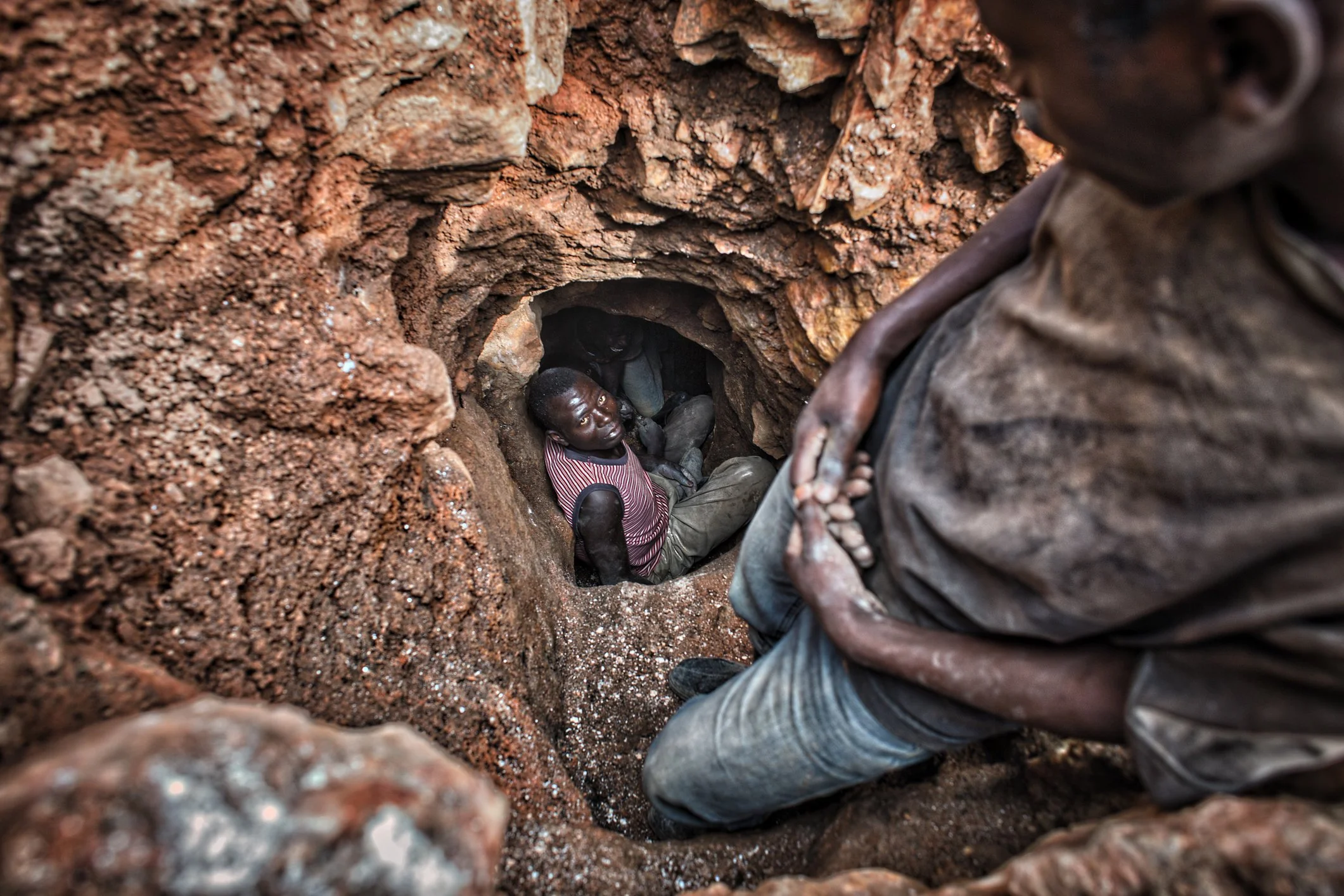
How DRC war undercuts local communities, threatens Congo Basin Forest ecosystem
At a time when climate change is weakening rural communities, especially Indigenous Peoples, peace becomes a precondition for ecological survival.
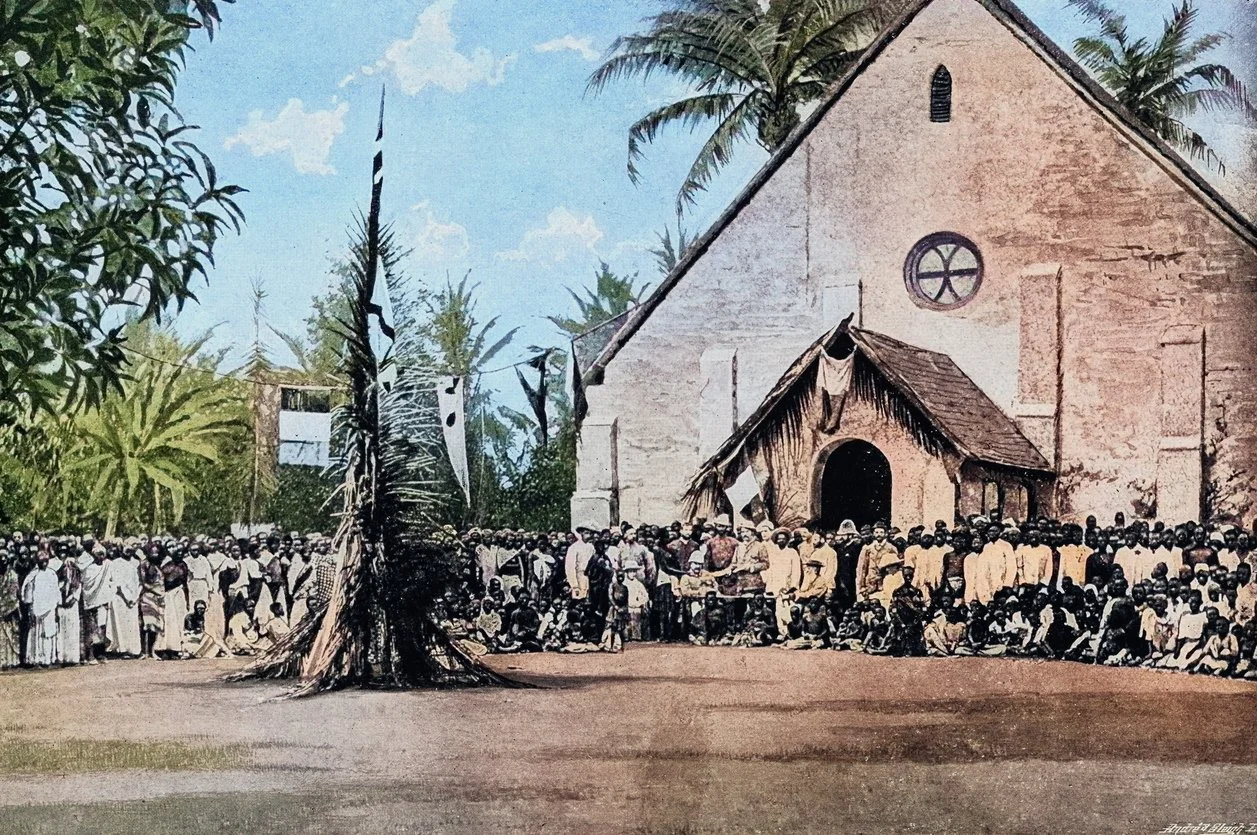
A JUST TRANSITION FOR ADAPTATION: DISMANTLING COLONIAL AND NEOCOLONIAL STRUCTURES
The new report, A Just Transition for Adaptation, finds that for decades, colonial extraction, inequality, debt and unequal global economic relationships have shaped how climate impacts are experienced in Africa.

A JUST TRANSITION FOR ADAPTATION: WHO ARE INDIGENOUS PEOPLE?
Indigenous worldviews do not separate nature and human society, as humans are part of a deeply interconnected web of life. In this report, ‘‘A Just Transition for Adaptation’’, relationships between humans and the environment are seen as reciprocal, providing sustenance and autonomy while often fostering its conservation.
REPORT FOREWORD: THINKING DIFFERENTLY ABOUT HOW ADAPTATION IS PLANNED, FINANCED, AND GOVERNED
‘‘A Just Transition for Adaptation’’ report offers an African and justice-centred framing for adaptation. It calls for a shift from simply managing climate risks towards transforming the systems that produce and deepen vulnerability.
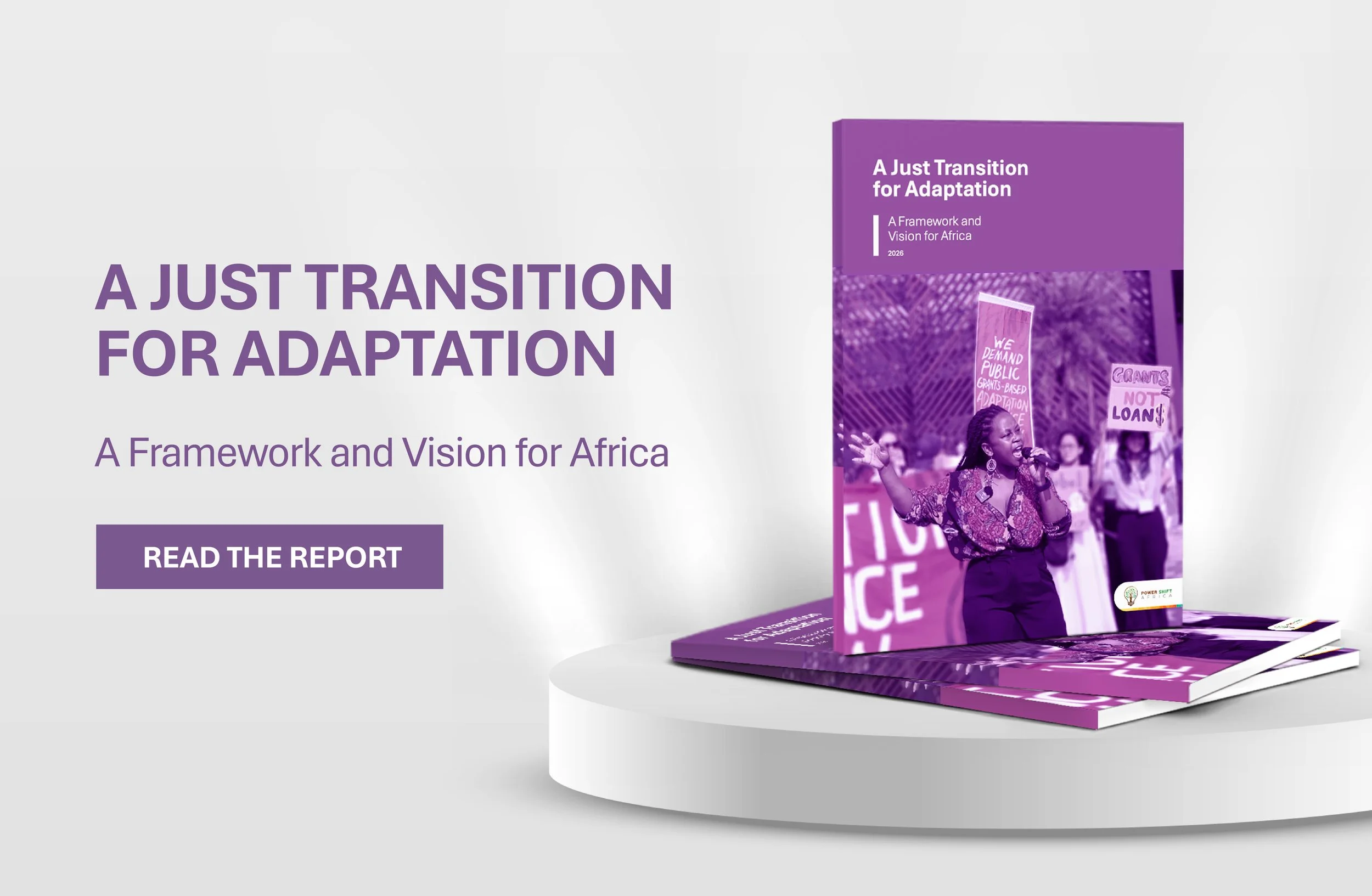
NEW REPORT: A JUST TRANSITION FOR ADAPTATION
This report grounds justice in African realities and emphasises that adaptation must be defined from within, rooted in lived experience, and shaped by the continent’s historical, political, and socio-economic circumstances.
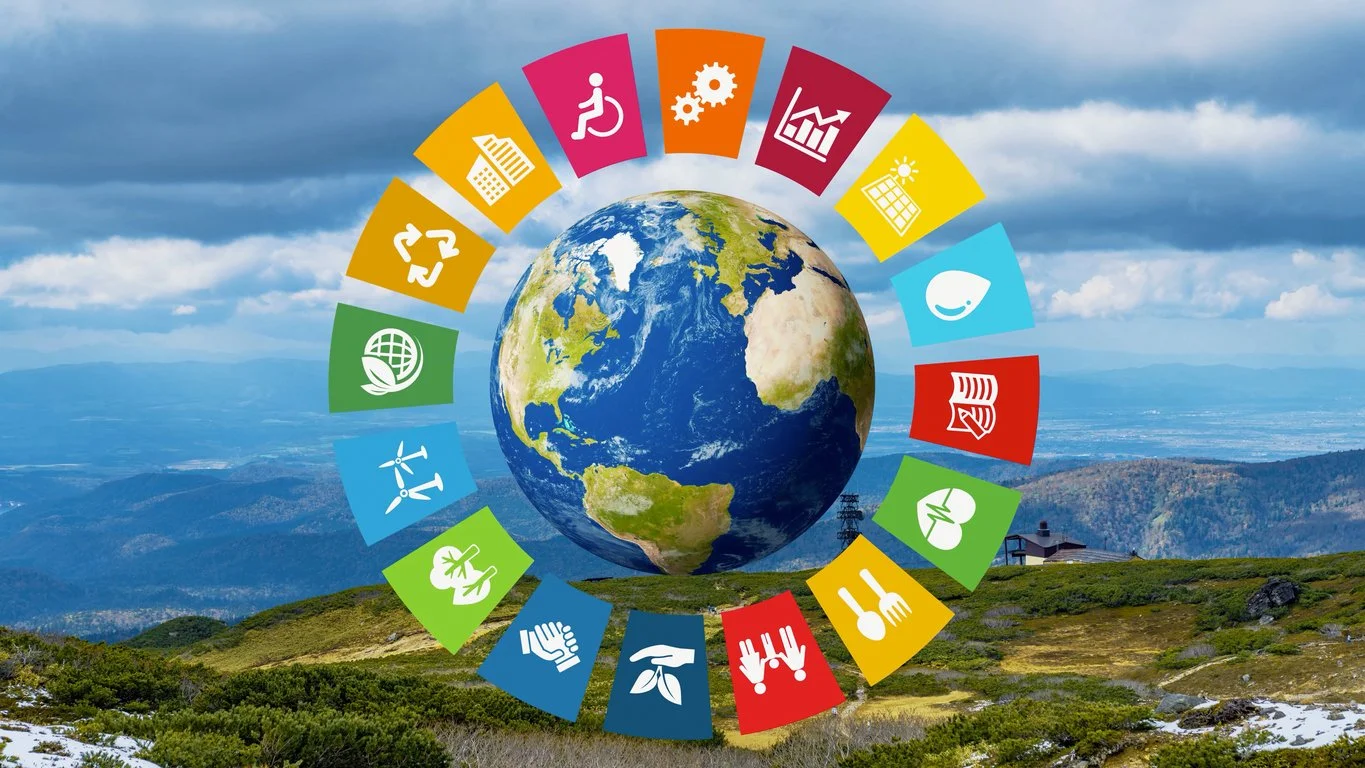
SDG MOMENT AT UNGA81: MOVING FROM COMMITMENT TO ACCOUNTABILITY
Ultimately, the success of SDGs will be measured against the number of lives meaningfully transformed. As Ndivile Gugushe writes, that success will also be measured against the capacity of vulnerable communities to withstand climate shocks.
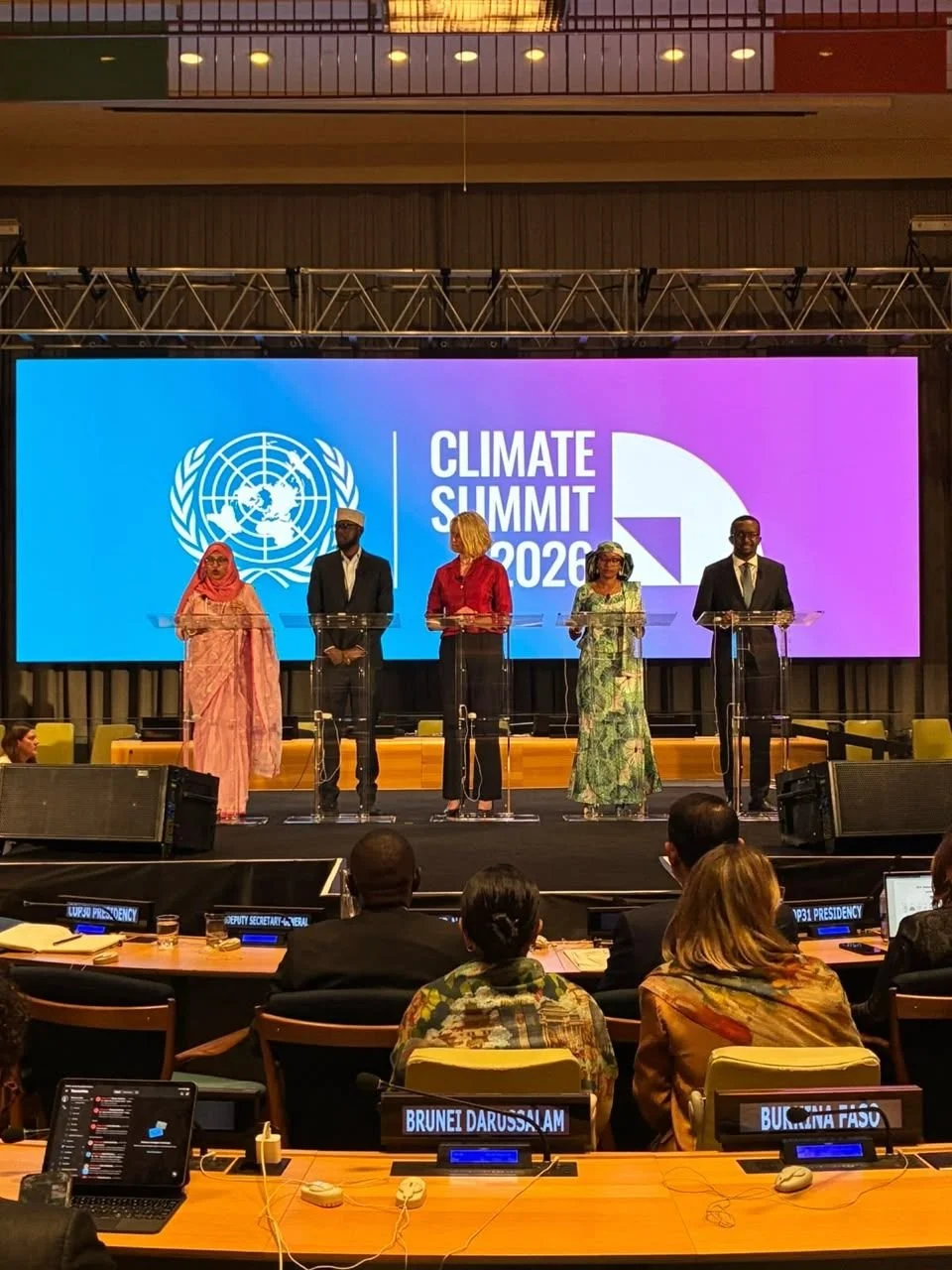
UNGA81: DON’T RESCUE US, PROVIDE CONDITIONS THAT ALLOW US TO BUILD
At the UN General Assembly (UNGA81), Africa is not asking the world to rescue it. As Mohamed Adow writes in this article, the continent is demanding conditions that will allow it to build economies, create jobs, and power industries using renewables.
UNITED NATIONS GENERAL ASSEMBLY 2026: WHAT WORLD LEADERS HAVE SAID
Most of the remarks made at UNGA 81 have been pragmatic, some have been sensational, and others outright ironic. Here we look at those that have stood out so far.
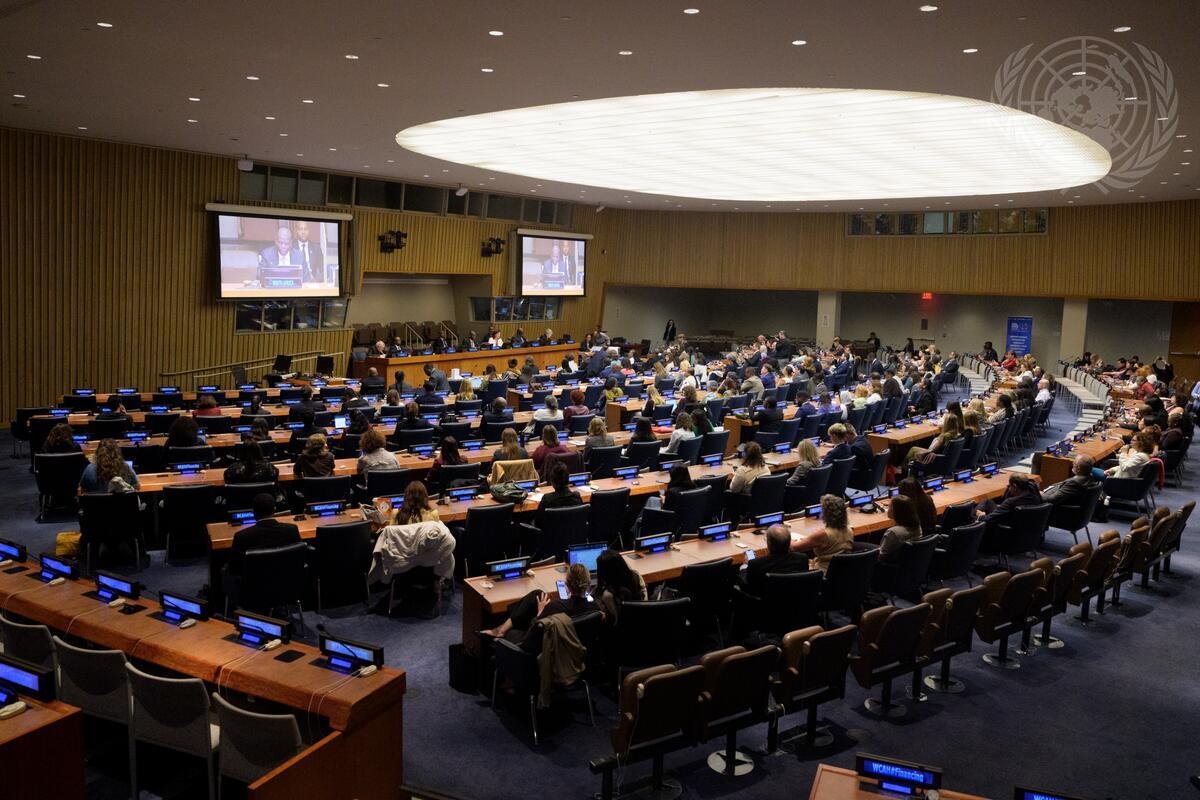
STATE OF THE WORLD AS LEADERS MEET FOR UNGA 81, NEW YORK CLIMATE WEEK
This year’s edition of the assembly is a key political moment for climate diplomacy. It is the final edition for outgoing UN Secretary-General António Guterres, who will be eager to cement his legacy by pressing for climate action and defending multilateral cooperation.
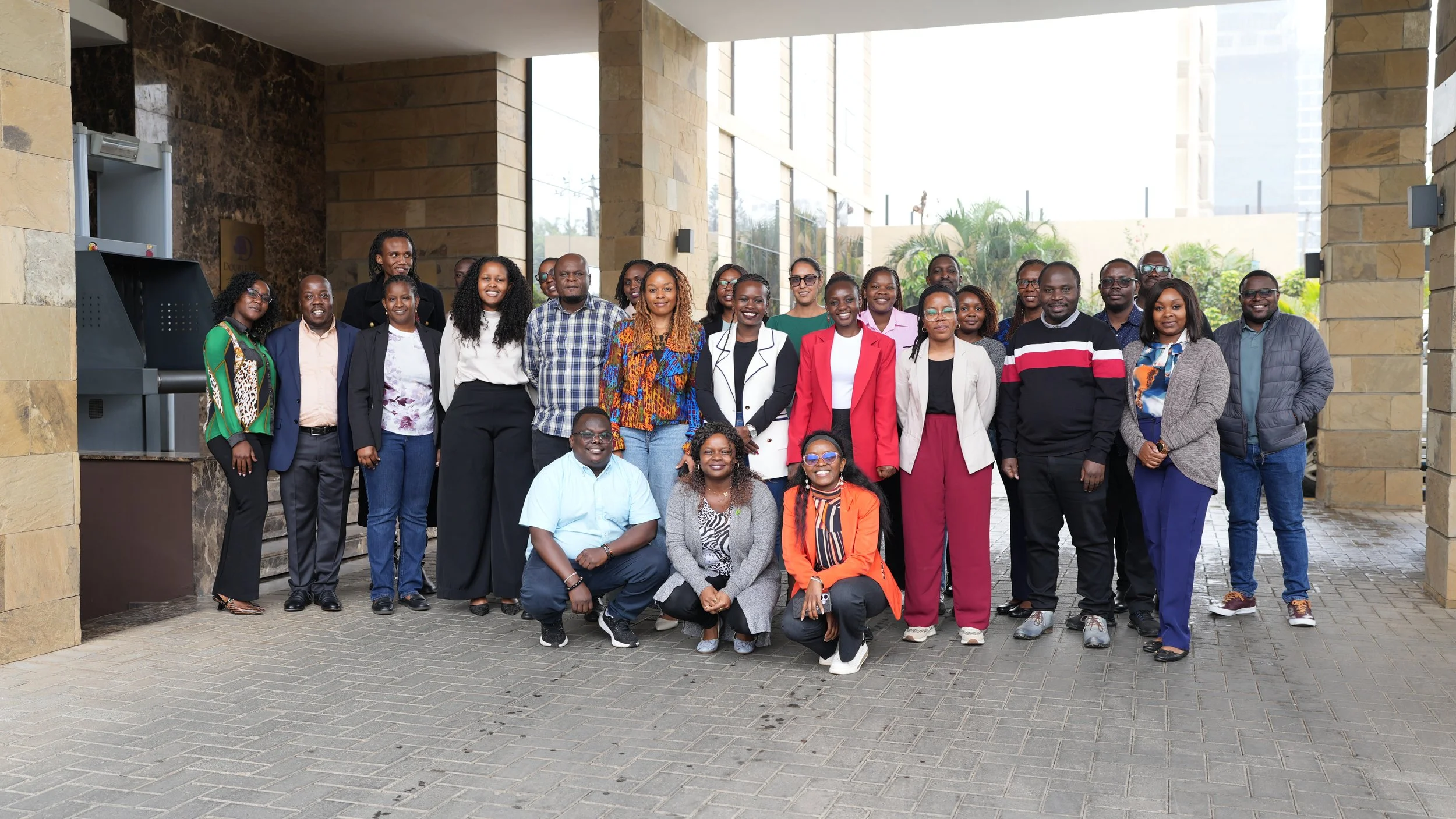
PARTICIPANTS AT NAIROBI MEETING DEBATE WHY KENYA’S CLEAN POWER HAS YET TO TRANSLATE INTO AFFORDABLE ENERGY
At a meeting convened by Power Shift Africa in Nairobi this morning, participants from government agencies, energy think tanks, academia and civil society scrutinised the country’s “green electricity, expensive energy” paradox and tested the evidence and policy proposals underpinning an upcoming report on how Kenya can make its renewable energy potential both accessible and affordable.
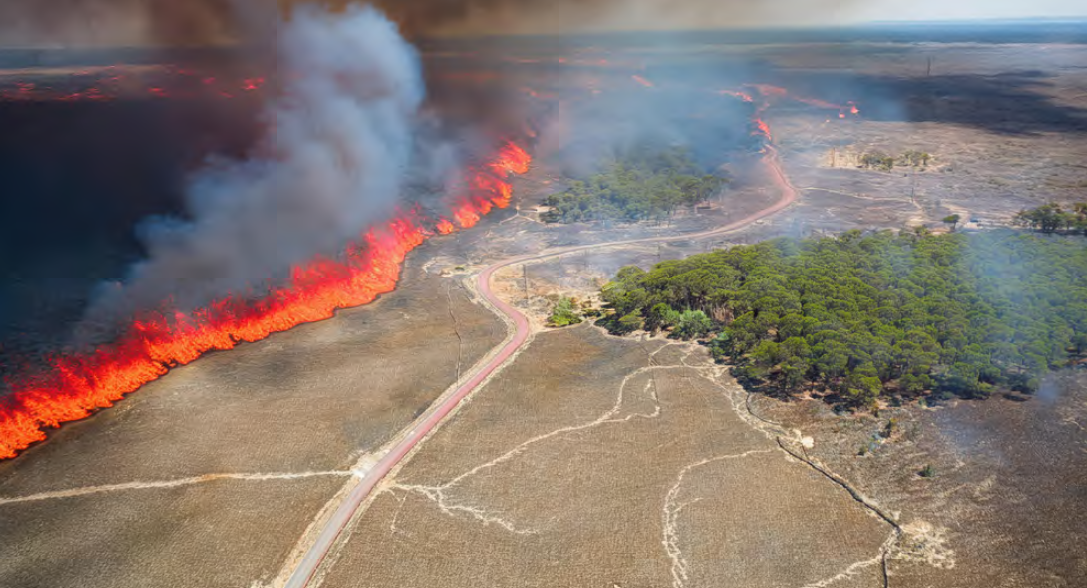
WE HAVE CROSSED THE 1.5°C RED LINE. BUT THE FIGHT IS NOT OVER
For years, the 1.5°C threshold has been a red line for the planet. Now that threshold is about to be breached. Permanently. That could happen within the next few years, according to the United Nations.
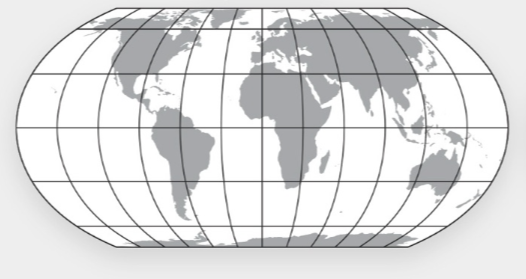
PICTORIAL EXPLAINER: HISTORY, CONTROVERSY, AND WHY THE WORLD MAP MATTERS
The ‘Correct the Map’ campaign argues that for 450 years, the world has based its understanding of the globe ‘‘on a map that is wrong’’. One that misrepresents the true size of Africa. That could change soon after the UN voted recently to replace the Mercator map.
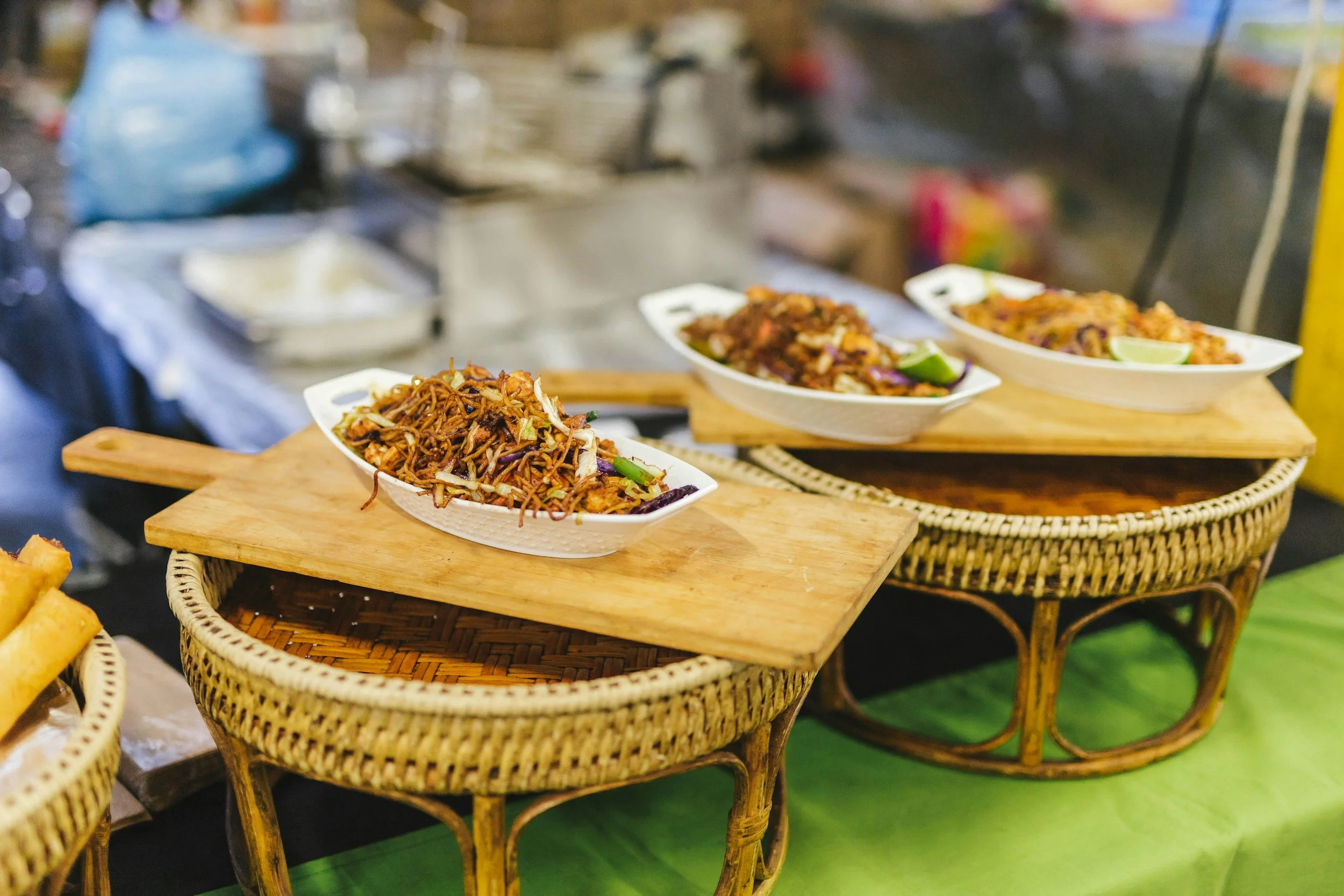
AFRICA FOOD SYSTEMS FORUM: BUILDING RESILIENT AGRIFOOD CORRIDORS
We know why millions of our people are food insecure. We know what we must do to end this indignity of hunger. We also have the resources to deliver food security and food sovereignty in Africa. We must act now.

RENEWABLE ENERGY IN AFRICA: IT’S NOW CHEAPER, BUT IS IT AFFORDABLE?
A dramatic reduction in factory-gate prices of solar panels globally hasn’t produced an equally dramatic reduction in installation costs for African households.
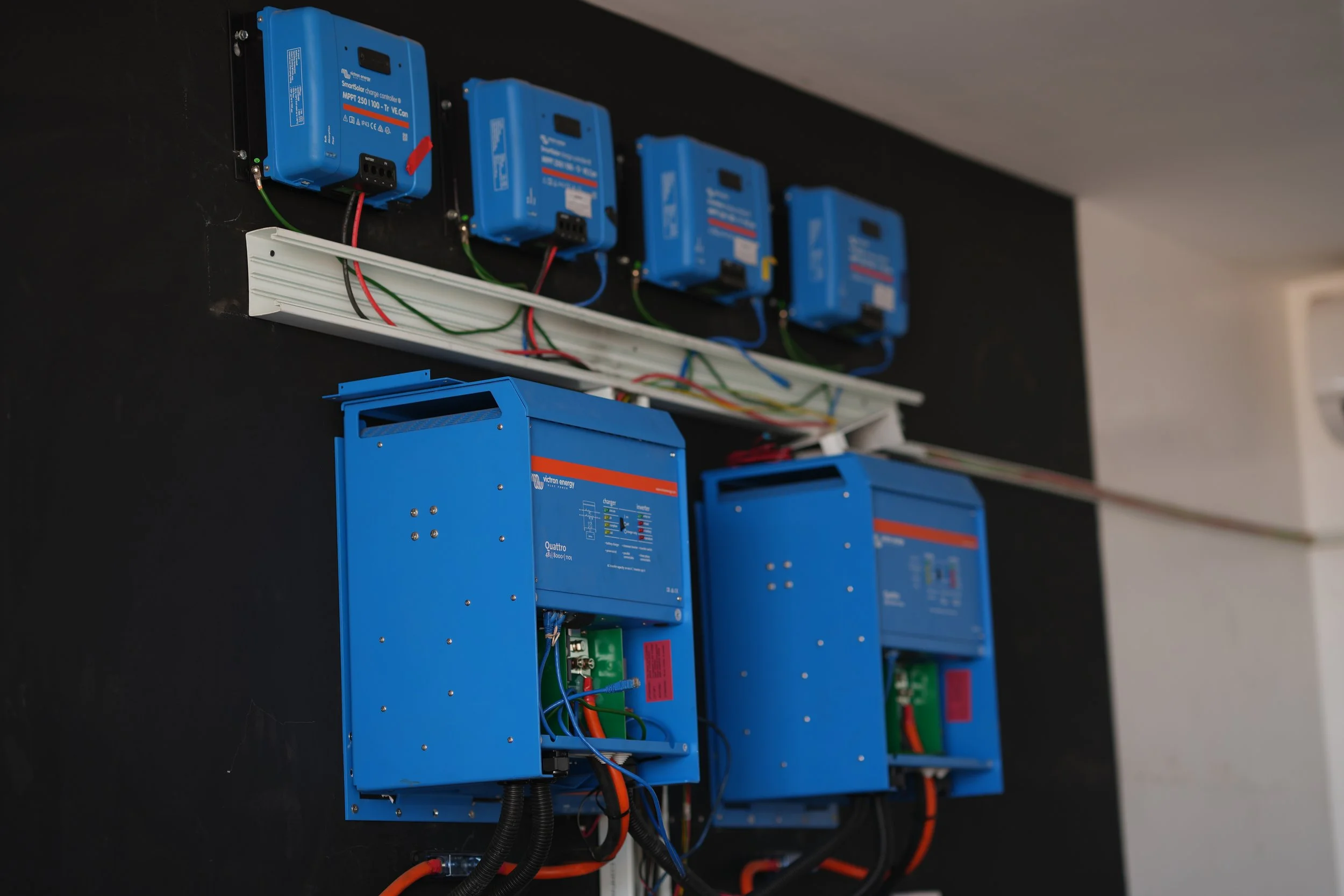
RICH IN RESOURCES, POOR IN POWER: HOW TO ADDRESS AFRICA’S RENEWABLE ENERGY PARADOX
Africa relies heavily on external financing because the scale of infrastructure investment needed for renewable energy by far exceeds the amount of long-term capital available within its own financial systems.

MAPUTO PROTOCOL: ENHANCING AFRICAN WOMEN'S RIGHTS FOR A MORE RESILIENT CONTINENT
The Maputo Protocol challenged Africa to recognise women as equal rights holders. Today’s climate crisis challenges us to honour that vision by ensuring that every adaptation policy, investment and decision strengthens those rights rather than leaving them behind.
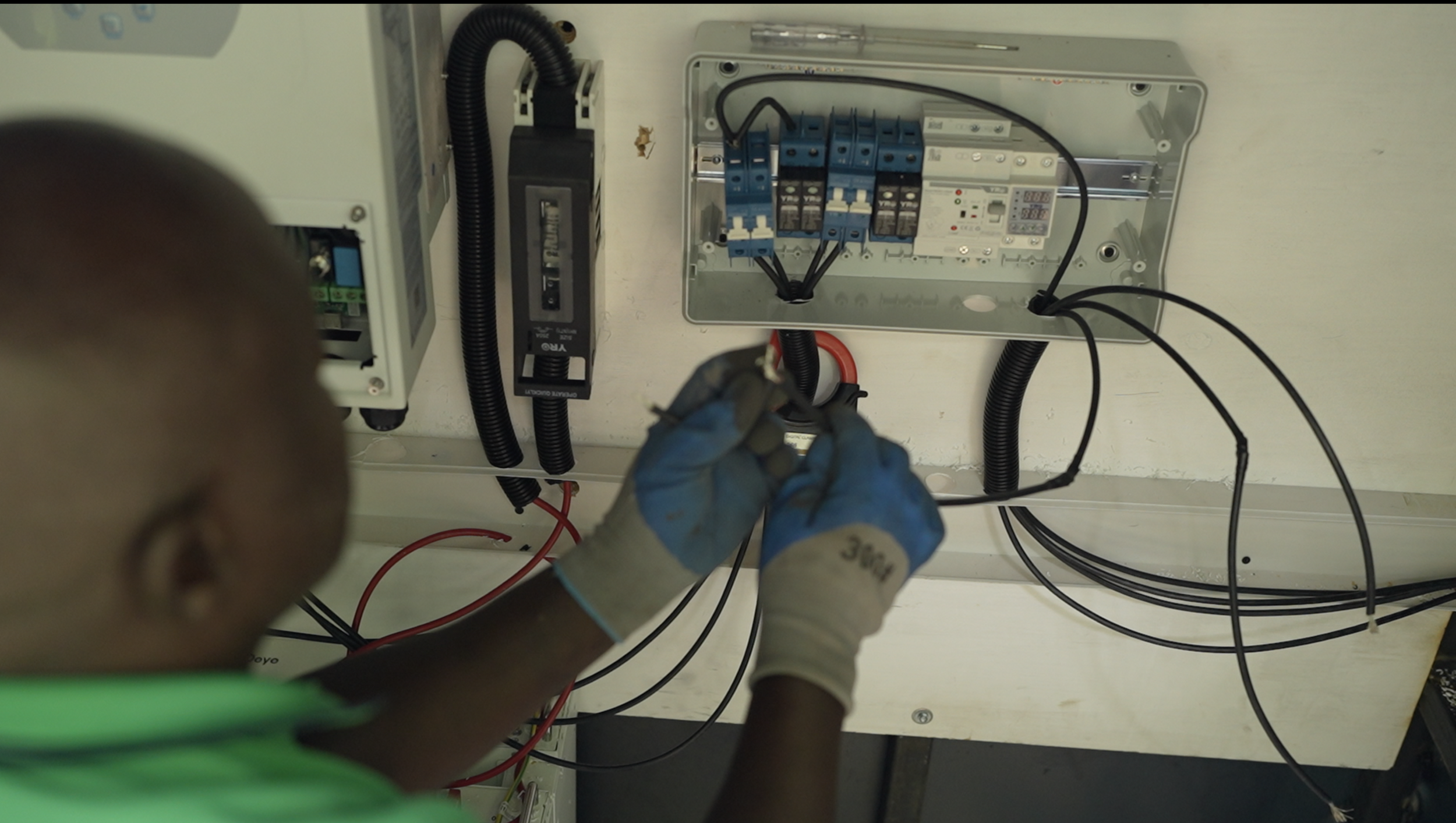
GLOBAL SOLAR REVOLUTION: THE SUN WILL POWER WORLD’S FUTURE
World nations that invest in renewable energy are far more resilient because the sun and wind cannot be blockaded, stockpiled or weaponised.